Contact
 Gallery
 Call
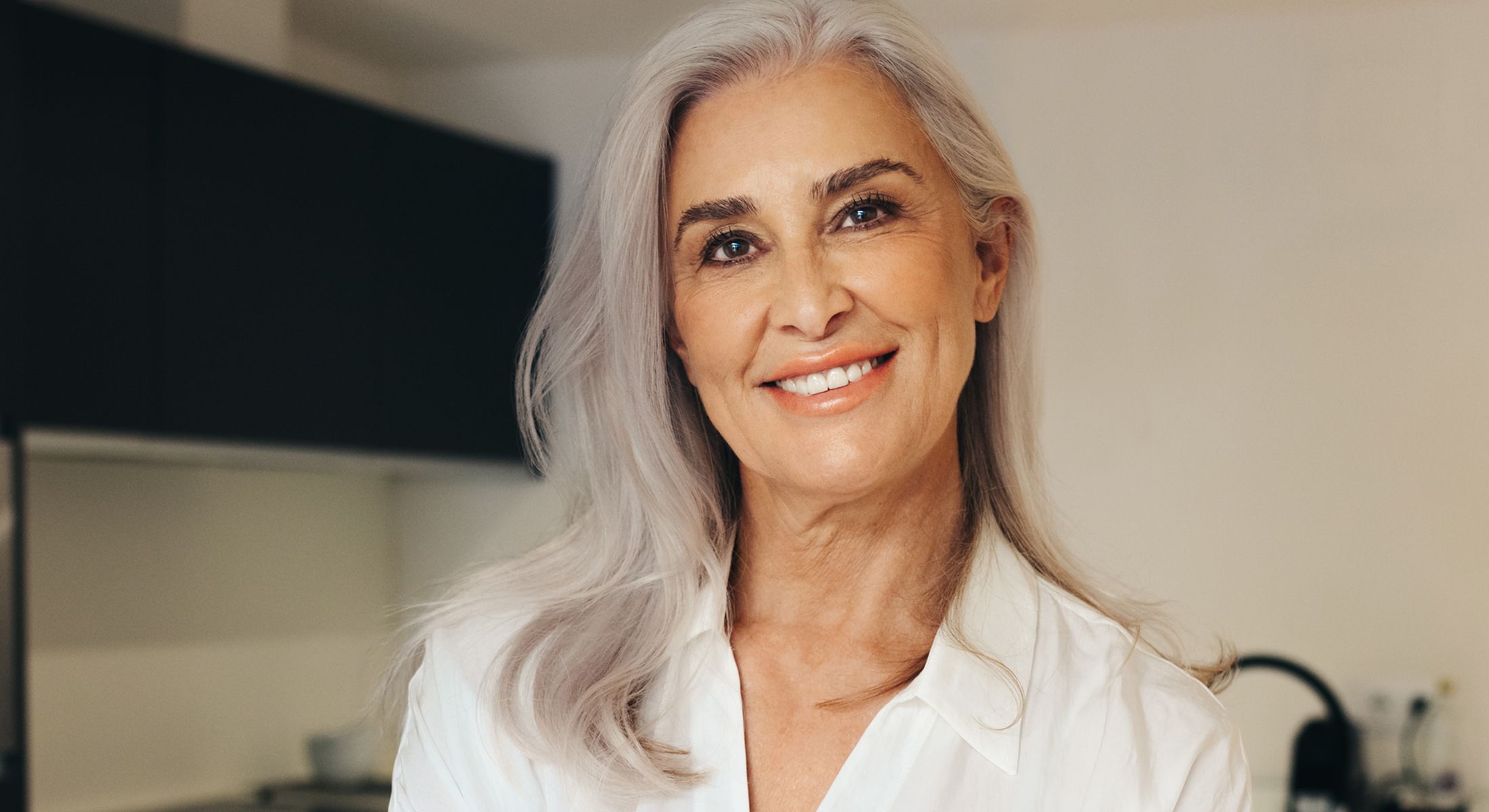
Significant weight loss can leave your face looking older than you feel, because the fat that filled out your cheeks and jawline shrinks while the skin that covered it stays stretched. A facelift lifts the deeper tissues and removes the extra skin, and fat transfer can put volume back where the face has gone hollow. Many patients need both.
How much each step matters depends on your age, your skin and how quickly the weight came off.
Your face holds fat in distinct pads: in the cheeks, around the mouth, under the eyes and along the jaw. When you lose weight, those pads shrink along with the fat on your body. Skin that stretched to cover them may not shrink back, especially after age 40, when skin already has less elasticity.
The result often looks like a combination of two problems:
Many patients notice this most after fast weight loss, including weight lost on GLP-1 medications. The face simply has less time to adjust. If you are losing weight through the practice's medical weight loss program, it helps to know this change is common and treatable.
A facelift addresses descent. Dr. Lapuerta's facelift page describes the goal as lifting the deeper tissues, tightening the support layer beneath the skin and removing excess skin, so the remaining skin sits smoothly over better support rather than being pulled tight. That restores a cleaner jawline and softens jowls and folds in the lower face.
When loose skin extends under the chin and down the neck, a neck lift usually joins the plan. After weight loss, the neck often shows the change before the face does.
What a facelift does not do on its own is replace lost volume. Lifting a hollow face can leave it looking tight and flat. That is where fat transfer comes in.
Facial fat transfer moves a small amount of your own fat, taken by gentle liposuction from an area like the abdomen or thighs, into the parts of the face that have deflated. It can fill the cheeks, soften the lines around the mouth and smooth hollows. The facelift page lists fat transfer for volume loss as one of the procedures commonly combined with a facelift.
Patients who have lost a lot of weight sometimes worry they no longer have fat to spare. Most still have enough for the face, which needs only a small amount. Your surgeon will check at consultation. Our post on facelift with fat transfer covers how the two work together.
Timing is the most common question we hear from weight loss patients. Wait until your weight is stable. If you keep losing after a facelift, your face can continue to deflate and the skin can loosen again, which shortens the life of the result. The practice's facelift page names weight stability as one of the factors that affects how long results last.
A few questions to answer before you book:
If you take a GLP-1 medication, tell your surgeon at consultation. Our post on GLP-1 medications before surgery explains why the surgical team needs to know.
Filler can restore some volume in the cheeks and lines around the mouth, and it is a reasonable choice when skin is still firm and the jawline is still defined. Once there is real loose skin and jowling, filler adds weight to tissue that is already sagging and cannot lift it. For many patients after major weight loss, surgery gives a more natural result than chasing the change with syringes.
For most patients, swelling and bruising peak in the first few days and ease over the following weeks. Adding fat transfer can mean more swelling in the cheeks early on. Most people take a couple of weeks before they feel comfortable in public, and final results continue to refine for months as swelling fades and scars mature. Your surgeon's instructions on activity, sleep position and sun protection come first.
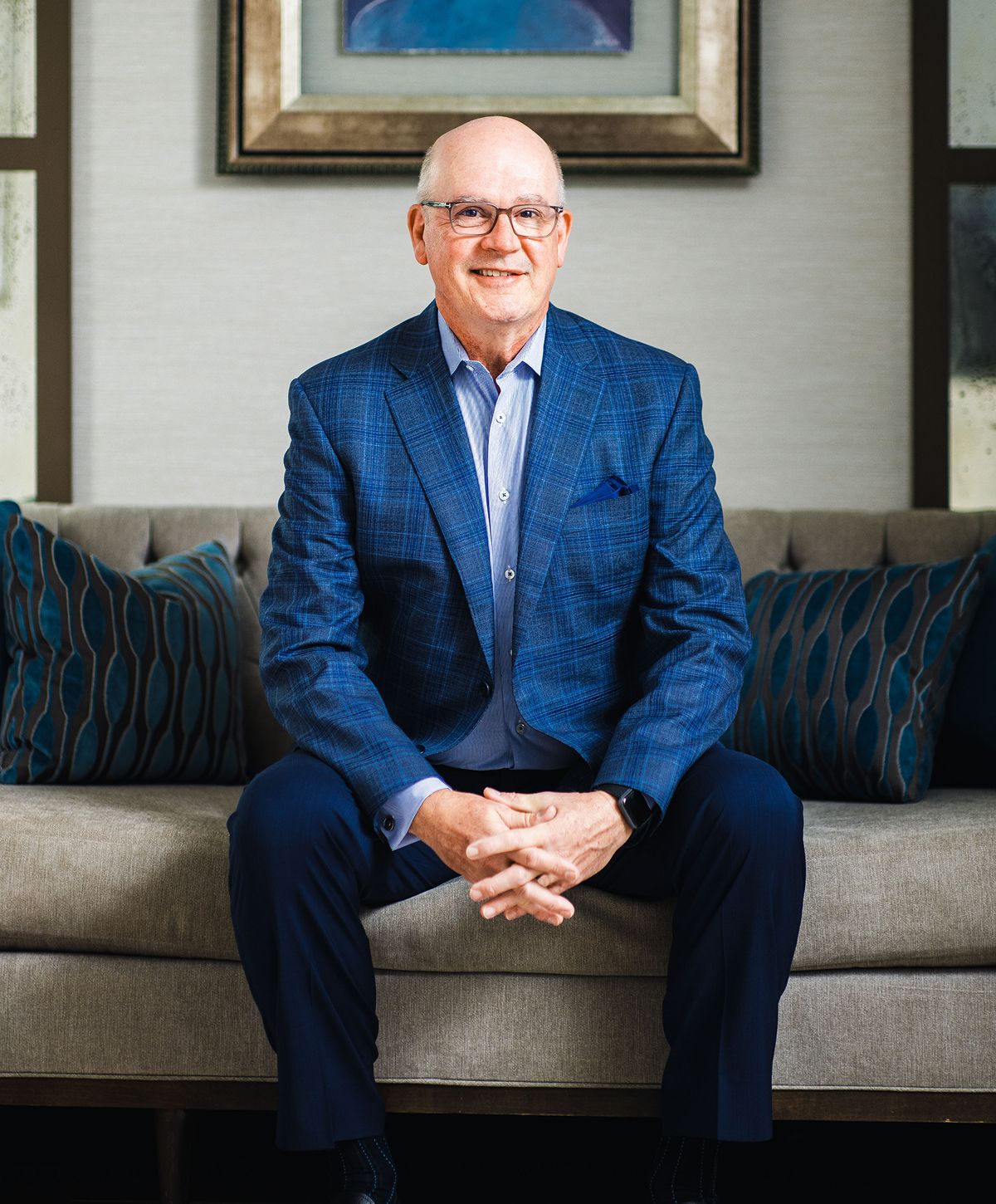
Dr. Lapuerta is a triple board-certified plastic surgeon with more than 30 years of experience in elective cosmetic surgery and more than 3,000 before and after images for you to review. He will look at your skin, your facial structure and your weight history before recommending a lift, fat transfer or both.
Call (713) 489-0169 or request a consultation online. Consultations are available in English and Spanish.
Dr. Leo Lapuerta is a triple-board-certified plastic surgeon with over three decades of experience and more than 30,000 procedures performed. He is recognized as a pillar of the Houston aesthetic community. Dr. Lapuerta distinguishes his practice through rigorous safety protocols, including the exclusive use of Medical Doctors (MDs) for anesthesia and an accredited onsite surgical facility.
Beyond his technical precision, Dr. Lapuerta is defined by his concierge philosophy. He personally handles all consultations and injectables, and provides every surgical patient with his personal cell phone number for direct access during recovery. He serves patients from Houston, Katy, and Pearland, and is fluent in both English and Spanish.