Contact
 Gallery
 Call
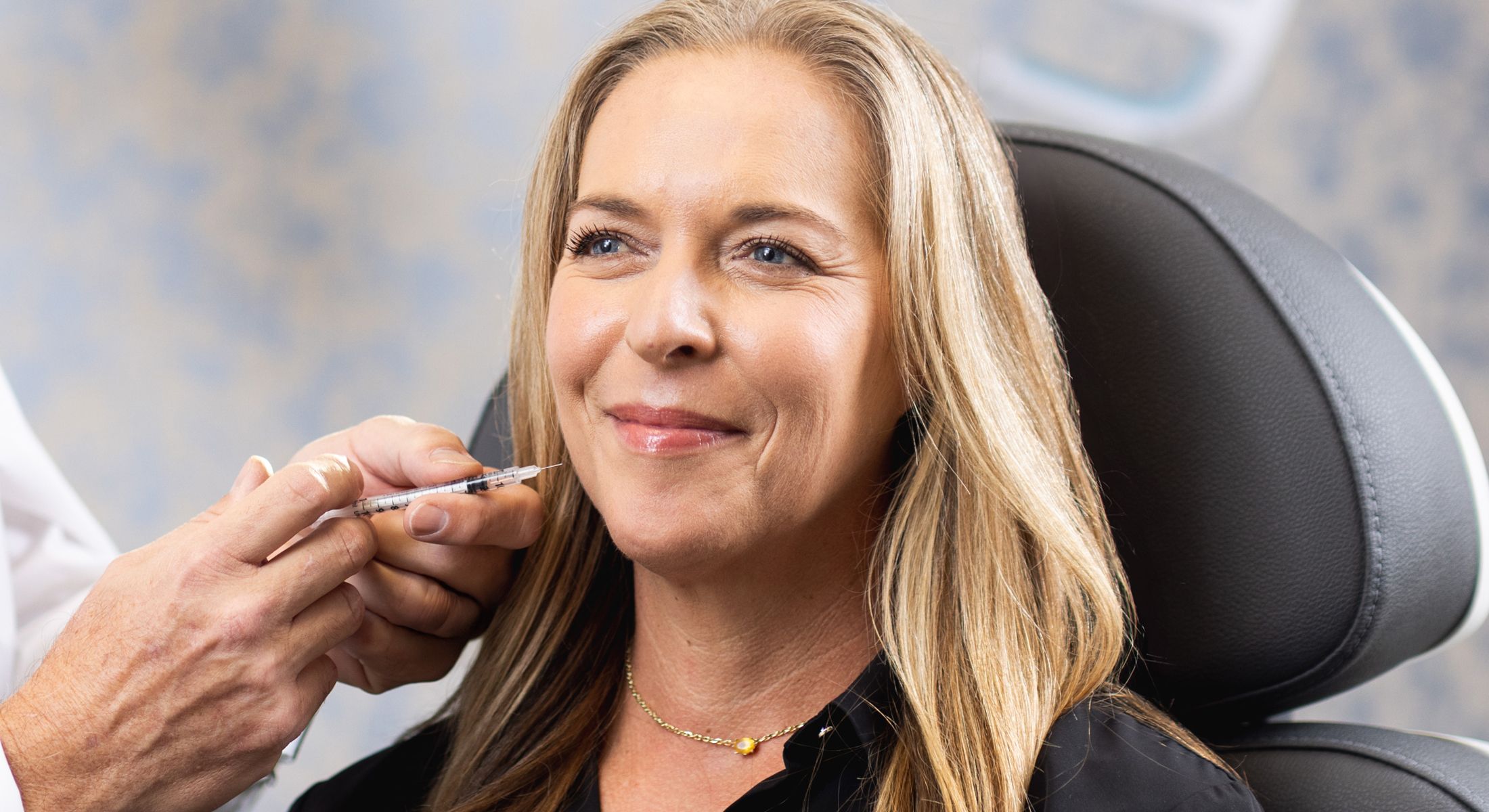
A facelift with fat transfer treats two separate signs of aging in one operation. The facelift lifts and tightens tissue that has dropped. Fat transfer takes a small amount of your own fat from another part of your body and places it where your face has lost fullness, such as the cheeks or the hollows under the eyes.
Women in their 50s and 60s often have both problems. If you have ever pulled your cheeks back in the mirror and thought the result looked tight but still tired, you were seeing what a lift alone cannot fix.
Faces do not only sag. They also deflate. Over time the fat pads in the cheeks shrink and slide down, the bone under the eyes and around the jaw changes shape, and the skin thins.
The result shows up in a few familiar ways:
A facelift repositions the deeper tissues and removes loose skin along the jaw and neck. It can return some fullness to the midface by lifting what has slipped. It cannot replace volume that is gone. Lifting a deflated face without adding volume can leave it looking smooth but flat.
The practice's facial fat transfer page describes three steps. First, the surgeon removes fat with gentle liposuction, usually from the abdomen, flanks or thighs. Then the fat is processed and purified so only healthy fat cells remain. Finally, the surgeon injects the fat in small amounts into the areas that need it.
Common targets in the face include:
Because the material is your own tissue, an allergic reaction to the fat itself is not a concern. The donor area also ends up slightly slimmer, though the amount removed for the face is small.
Doing both in one operation means one anesthesia, one recovery and one result designed as a whole. Your surgeon can see the lifted face on the table and place fat exactly where the new contours call for it.
The practice's facial fat transfer page notes that the procedure often accompanies an eyelid lift or a facelift. If you are also considering eyelid surgery, our post on facelift and eyelid surgery together explains what combining those two changes.
You might wonder why you would not simply get dermal fillers after your facelift. Fillers are a good option, and many patients use them. The differences come down to timing and longevity.
Fillers are a non-surgical treatment that you repeat as your body breaks them down. Fat transfer happens once, during surgery, and the fat cells that establish a blood supply can last for many years. The trade-off is predictability. Not every transferred fat cell survives, and your body absorbs part of the graft over the first months. Some patients need a touch-up later to fine-tune the volume.
Fillers can also be added later to a fat transfer result, so the two are not either/or.
Recovery follows the facelift timeline, with a little extra swelling in the treated areas and some soreness where the fat was taken. For many patients:
The practice notes that swelling from facial fat transfer is usually gone by about four weeks. Our facelift recovery timeline covers the lift itself week by week. Your surgeon's instructions come first.
You may benefit from the combination if you have sagging along the jaw and neck plus hollow cheeks or under-eyes. Good candidates are in good health and at a stable weight, because weight changes affect transferred fat the same way they affect fat elsewhere. If you smoke, you will need to stop well before surgery, since smoking slows healing.
If your main concern is volume and you have little sagging, fat transfer alone or fillers may be enough. An exam will tell you which problem leads.
Dr. Lapuerta is a triple board-certified plastic surgeon with more than 30 years of experience in elective cosmetic surgery. He operates in his own QuadA accredited surgical facility in Pearland and works only with physician anesthesiologists. You can see facial results in his before and after gallery.
Call (713) 489-0169 or request a consultation online. Consultations are available in English and Spanish.
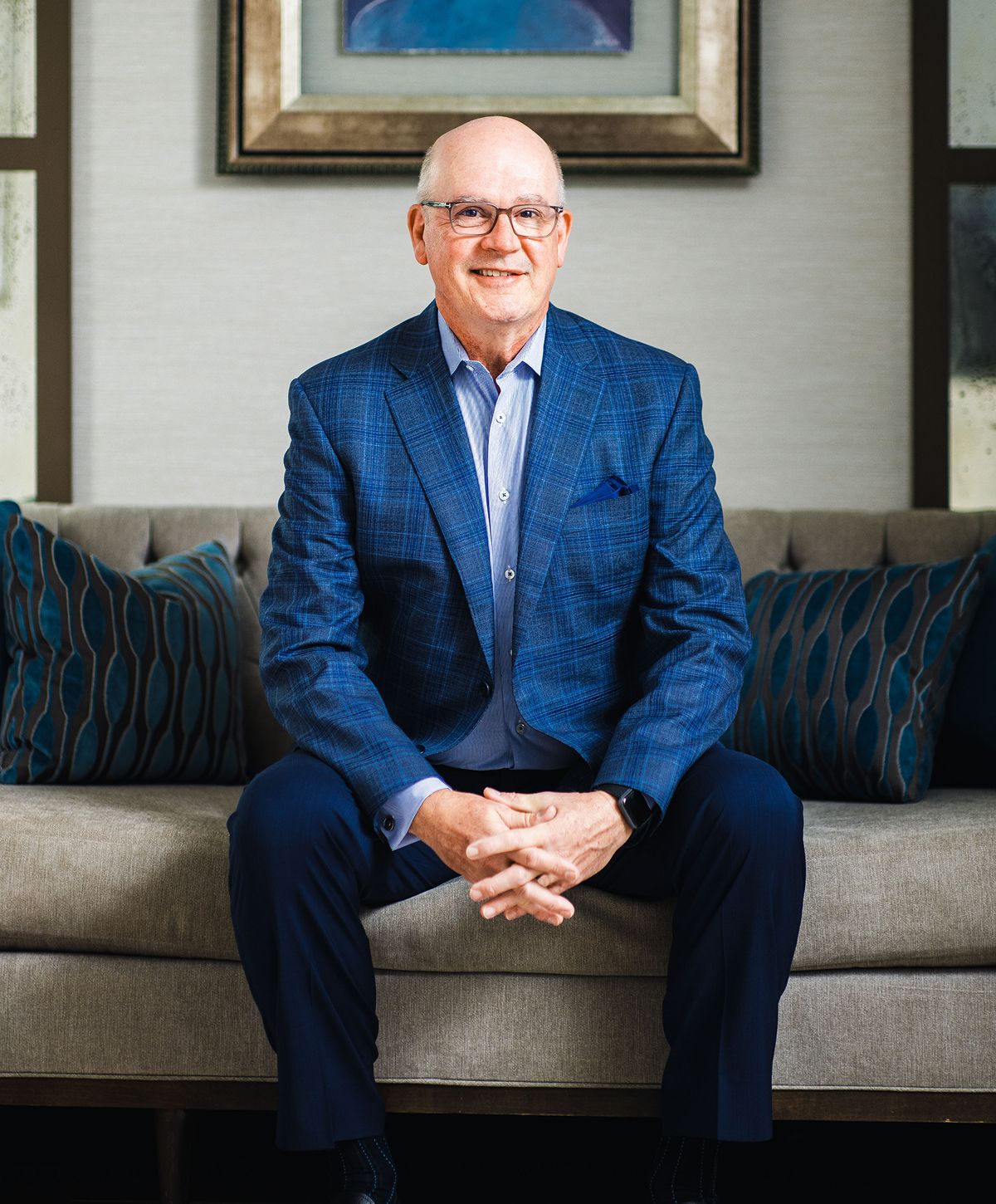
Dr. Leo Lapuerta is a triple-board-certified plastic surgeon with over three decades of experience and more than 30,000 procedures performed. He is recognized as a pillar of the Houston aesthetic community. Dr. Lapuerta distinguishes his practice through rigorous safety protocols, including the exclusive use of Medical Doctors (MDs) for anesthesia and an accredited onsite surgical facility.
Beyond his technical precision, Dr. Lapuerta is defined by his concierge philosophy. He personally handles all consultations and injectables, and provides every surgical patient with his personal cell phone number for direct access during recovery. He serves patients from Houston, Katy, and Pearland, and is fluent in both English and Spanish.