Contact
 Gallery
 Call

If you take a GLP-1 medication such as semaglutide or tirzepatide and you are planning plastic surgery, tell your surgeon and your anesthesia team early, well before surgery day. These drugs slow the emptying of the stomach, and that matters when you are asleep under anesthesia. Do not stop or change the medication on your own. Your surgical team and your prescriber will decide together what you should do.
GLP-1 medications work partly by slowing digestion, which is one reason they reduce appetite. Our semaglutide for weight loss page explains how that works.
Under general anesthesia or deep sedation, the body's normal reflexes that protect the airway are switched off. If the stomach still holds food or liquid, there is a risk that its contents could come back up and enter the lungs, a complication called pulmonary aspiration. Fasting before surgery is meant to make sure the stomach is empty. With a GLP-1, the stomach may empty more slowly than usual, so standard fasting may not be enough for some patients.
Advice on this has changed as more experience has built up.
In 2023, the American Society of Anesthesiologists published consensus-based guidance suggesting many patients consider holding these drugs before elective procedures.
In October 2024, five societies, led by the ASA and including the American Gastroenterological Association and the American Society for Metabolic and Bariatric Surgery, released new multi-society guidance. It says most patients can continue their GLP-1 before elective surgery. Patients at higher risk for stomach problems may be asked to follow a liquid diet for 24 hours before the procedure, and the anesthesia plan can be adjusted. The guidance names higher-risk situations, including the early phase of treatment when the dose is still going up, and significant digestive symptoms.
Because the answer differs from patient to patient, your team needs the full picture.
Bring these details to your consultation and your pre-op appointment:
Be honest even if you started the medication on your own or through an online service. Your team needs accurate information to keep you safe.
At Leo Lapuerta, MD, Plastic Surgery, anesthesia is provided only by physician anesthesiologists, never nurse anesthetists or anesthesia assistants. Your anesthesiologist reviews your medications and health history and, with Dr. Lapuerta, decides how to prepare you. Read more about why that matters in our post on physician anesthesiologists in plastic surgery and on our anesthesia for cosmetic surgery page.
If you have diabetes, your prescribing doctor should be part of the conversation too. Stopping a diabetes medication can affect blood sugar, and good blood sugar control helps healing.
Anesthesia is only one part of the picture. If you are losing weight on a GLP-1 and want body contouring, timing matters for your result as well as your safety.
Surgeons generally prefer that you reach a stable weight before procedures like a tummy tuck, breast lift or arm lift. Operating while you are still losing can leave new loose skin as you continue to shrink. Many patients do best when their weight has held steady for a few months. Dr. Lapuerta will tell you what makes sense for your plan.
Good nutrition matters too. Some patients on GLP-1 medications eat very little, and healing tissue needs enough protein and calories. Mention your typical daily eating at consultation so your team can advise you.
For patients who have already lost a large amount of weight, our body contouring after weight loss page explains the options, and our post comparing semaglutide vs. tirzepatide covers how the two medications differ. If you have not started a medication yet and want guidance, see our medical weight loss program.
The worst time to bring up a GLP-1 is the morning of surgery, because the team may have no safe choice but to reschedule. Raise it at your first consultation, then again at pre-op. That gives everyone time to plan.
Dr. Lapuerta is a triple board-certified plastic surgeon with more than 30 years of experience, and he operates in his own QuadA accredited surgical facility in Pearland. Call (713) 489-0169 or request a consultation online. Consultations are available in English and Spanish.
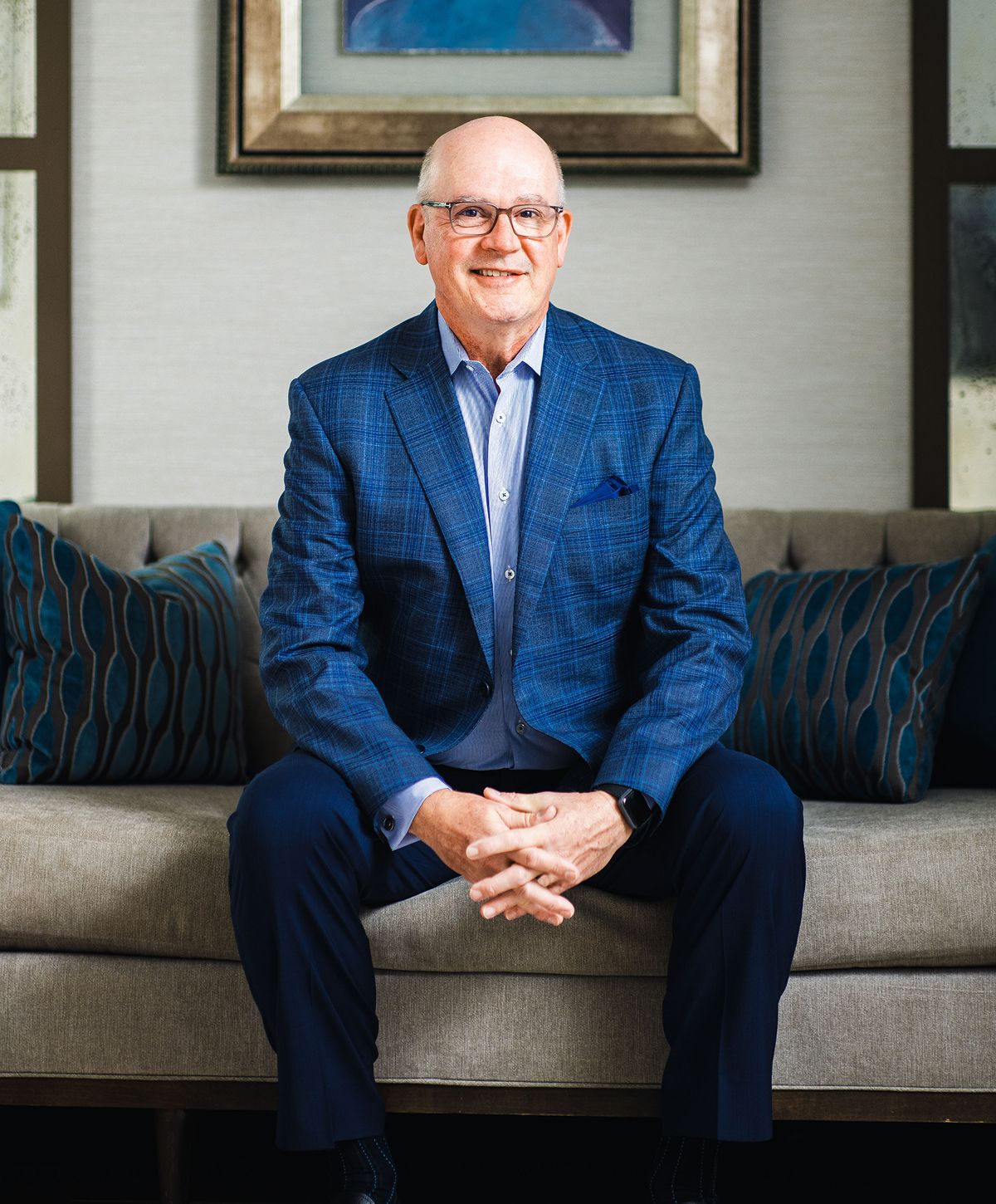
Dr. Leo Lapuerta is a triple-board-certified plastic surgeon with over three decades of experience and more than 30,000 procedures performed. He is recognized as a pillar of the Houston aesthetic community. Dr. Lapuerta distinguishes his practice through rigorous safety protocols, including the exclusive use of Medical Doctors (MDs) for anesthesia and an accredited onsite surgical facility.
Beyond his technical precision, Dr. Lapuerta is defined by his concierge philosophy. He personally handles all consultations and injectables, and provides every surgical patient with his personal cell phone number for direct access during recovery. He serves patients from Houston, Katy, and Pearland, and is fluent in both English and Spanish.