Contact
 Gallery
 Call
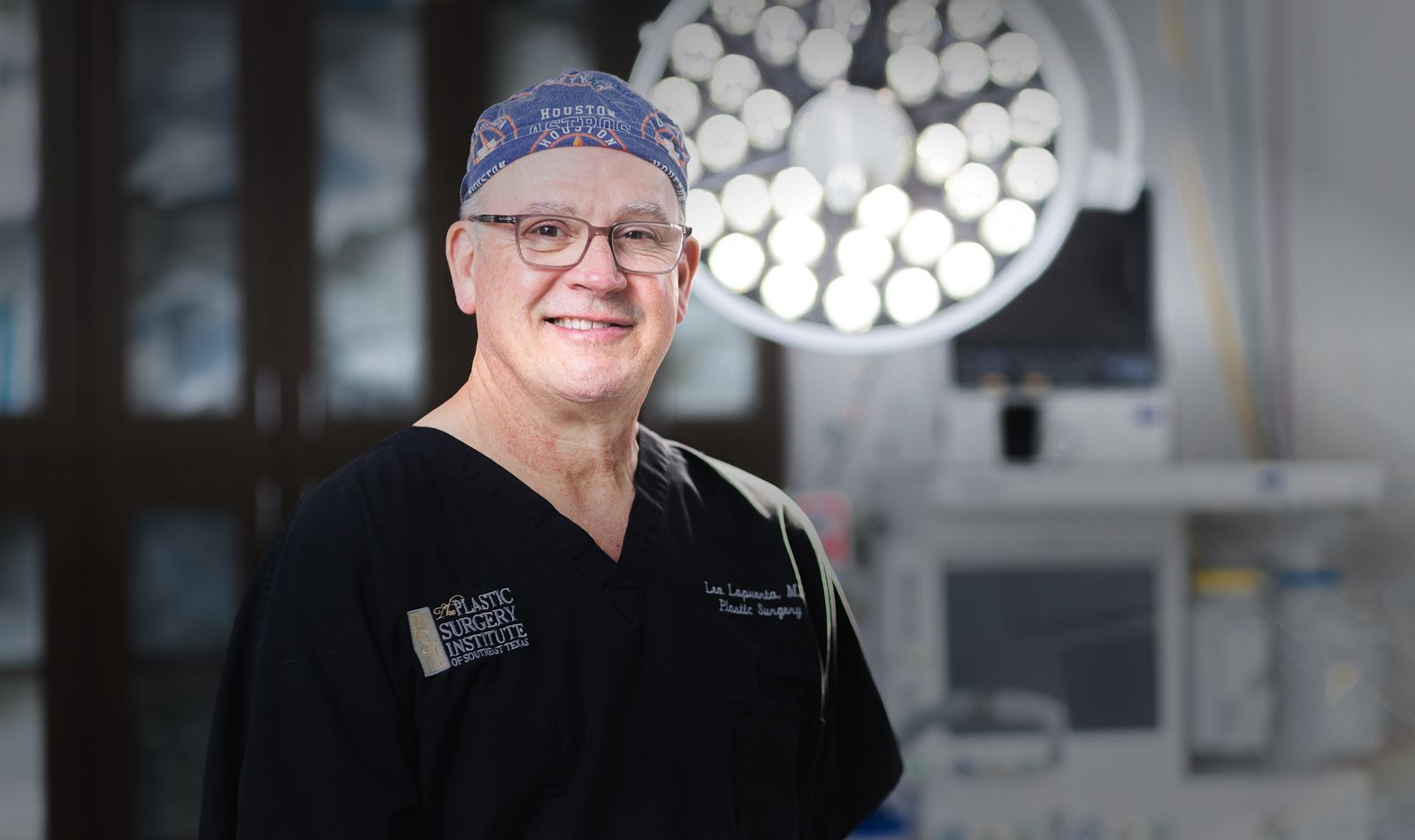
A physician anesthesiologist is a medical doctor who has trained specifically in anesthesia. A nurse anesthetist is an advanced practice nurse with graduate training in anesthesia. Both are licensed professionals, but their training paths differ, and in cosmetic surgery you get to choose the practice and, through it, the team. Dr. Lapuerta works only with physician anesthesiologists, never nurse anesthetists or anesthesia assistants.
Most patients spend their research time on the surgeon. This post covers the person who keeps you safe while the surgeon works, and the questions worth asking before you book.
Three kinds of professionals provide anesthesia in the United States.
Physician anesthesiologists are doctors (MD or DO). They finish medical school, then complete residency training in anesthesiology. Their medical training covers how your heart, lungs, kidneys and other systems respond to medications and stress, which shapes how they plan for patients with health conditions.
Certified registered nurse anesthetists (CRNAs) are registered nurses who complete graduate training in nurse anesthesia. They provide anesthesia in many hospitals and surgery centers, sometimes on their own and sometimes in a care team with an anesthesiologist. The rules on supervision vary by state and by facility.
Anesthesiologist assistants complete graduate training and work under the direction of an anesthesiologist.
In a large hospital, these roles often work together, with one anesthesiologist overseeing several rooms. Elective cosmetic surgery happens in many settings, from hospitals to office operating rooms, and the staffing model is up to the practice. That is why it is worth asking.
Cosmetic surgery is surgery you choose. You can pick your date, your surgeon and your facility, which means you can also pick how much safety margin you want.
Longer combined procedures, such as a mommy makeover or a facelift with eyelid surgery, keep you under anesthesia for several hours. During that time someone has to watch your breathing, blood pressure, heart rhythm, temperature and depth of anesthesia, minute by minute. When a physician dedicated to anesthesia does that job, the surgeon can give full attention to the operation.
The practice's anesthesia for cosmetic surgery page puts it this way: surgeons who provide their own anesthesia, or who rely on nurses to do it, have to divide their attention between operating and overseeing anesthesia. Dr. Lapuerta prefers that a doctor focus on your anesthesia from pre-op through recovery.
Anesthesia is not one setting. Depending on the procedure, your health and your preferences, your plan may use:
According to the practice's anesthesia page, the accredited surgical facility in Pearland can offer the full range, and you meet with your anesthesia doctor before surgery to talk through the options. The facility also uses a BIS monitor, which tracks brain activity during general anesthesia and helps the anesthesia doctor adjust the depth. Dr. Lapuerta also uses local anesthesia in all of his surgeries to help control pain afterward.
Use these at every consultation, not only ours:
A practice that takes safety seriously will answer each one without hesitation. If the answers are vague, keep looking.
The anesthesia provider is one part of a larger safety picture. The facility matters too. Dr. Lapuerta owns and operates a QuadA accredited surgical facility in Pearland. Accreditation means an outside organization reviews the facility's equipment, staffing, emergency planning and procedures.
Dr. Lapuerta also holds hospital privileges with the Memorial Hermann network, HCA hospitals including The Woman's Hospital of Texas, and St. Luke's Houston Medical Center. You can read more about the benefits of an office surgical facility on our patient resources page.
Anesthesia and accreditation reduce risk, but the operation itself depends on the surgeon. Dr. Lapuerta tells patients that experience with the specific procedure, in number of cases and years, is the strongest predictor of an outcome they will be happy with. He is triple board-certified, a Fellow of the American College of Surgeons, and has more than 30 years of experience in elective cosmetic surgery. He also serves as Chairman of Plastic Surgery at St. Joseph Hospital in Houston.
If safety is the first thing on your mind, bring every question above to your consultation. Call (713) 489-0169 or request a consultation online. Dr. Lapuerta is a native Spanish speaker, and consultations are available in English and Spanish.
Dr. Leo Lapuerta is a triple-board-certified plastic surgeon with over three decades of experience and more than 30,000 procedures performed. He is recognized as a pillar of the Houston aesthetic community. Dr. Lapuerta distinguishes his practice through rigorous safety protocols, including the exclusive use of Medical Doctors (MDs) for anesthesia and an accredited onsite surgical facility.
Beyond his technical precision, Dr. Lapuerta is defined by his concierge philosophy. He personally handles all consultations and injectables, and provides every surgical patient with his personal cell phone number for direct access during recovery. He serves patients from Houston, Katy, and Pearland, and is fluent in both English and Spanish.