Contact
  Gallery
  Call
Call 
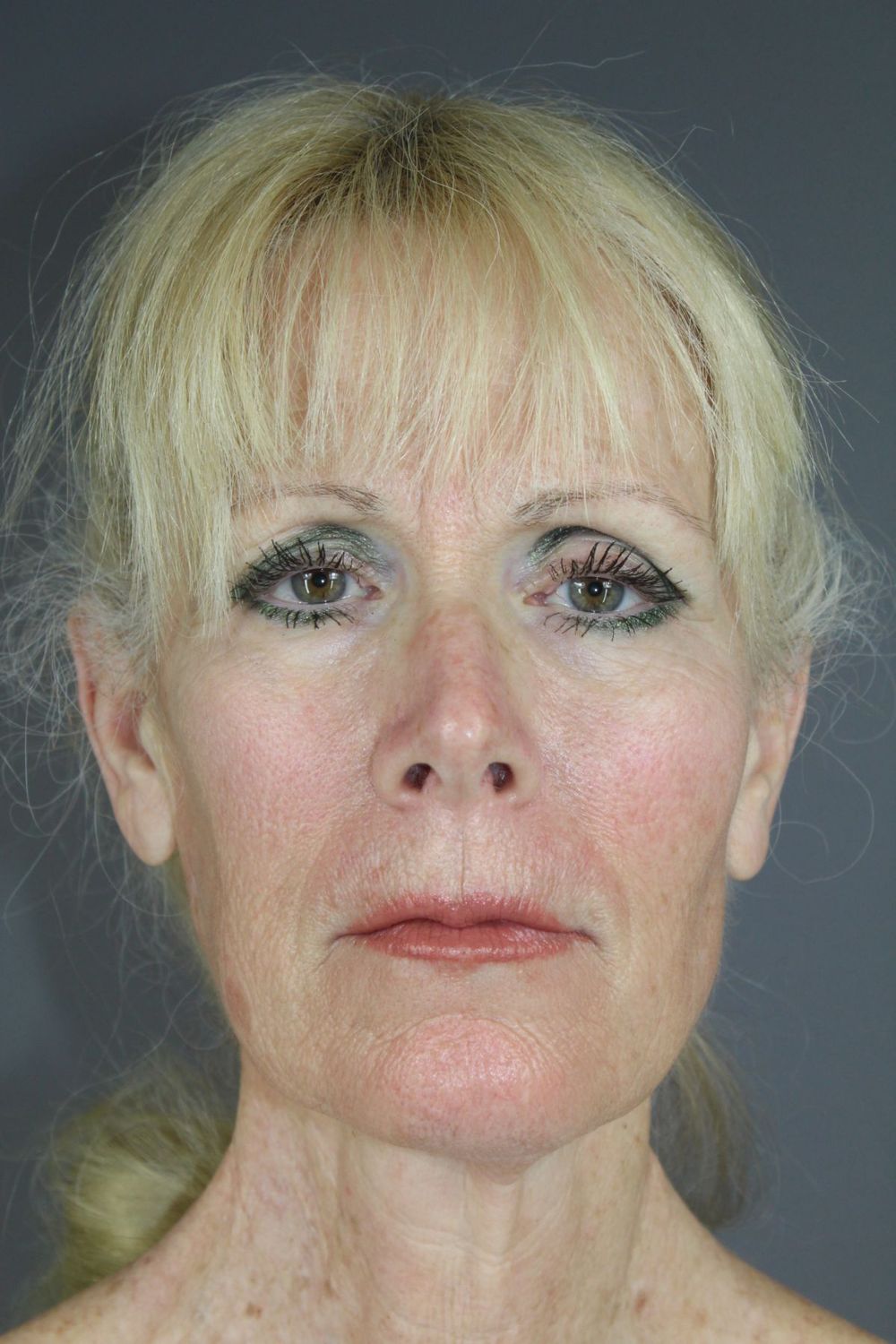
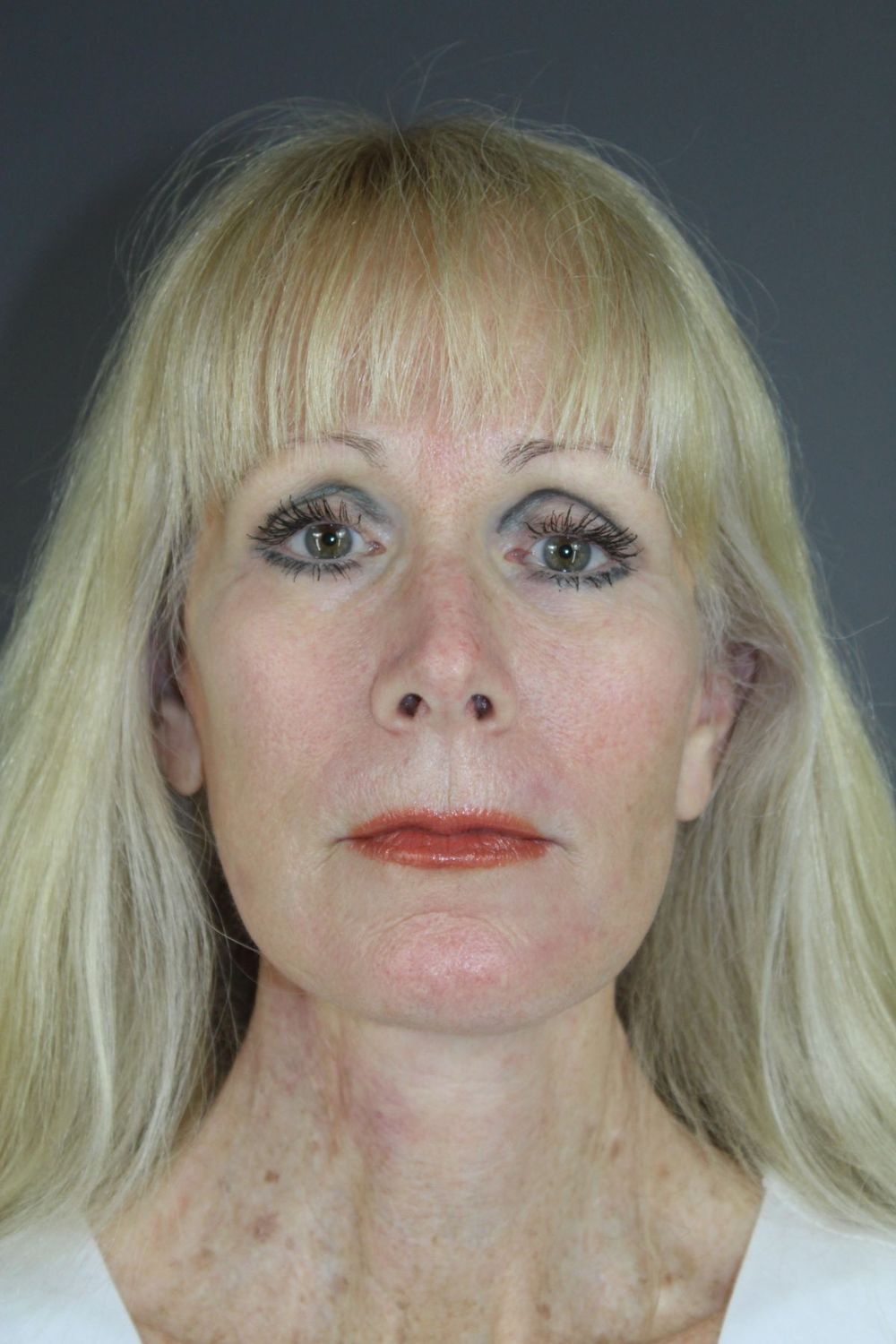
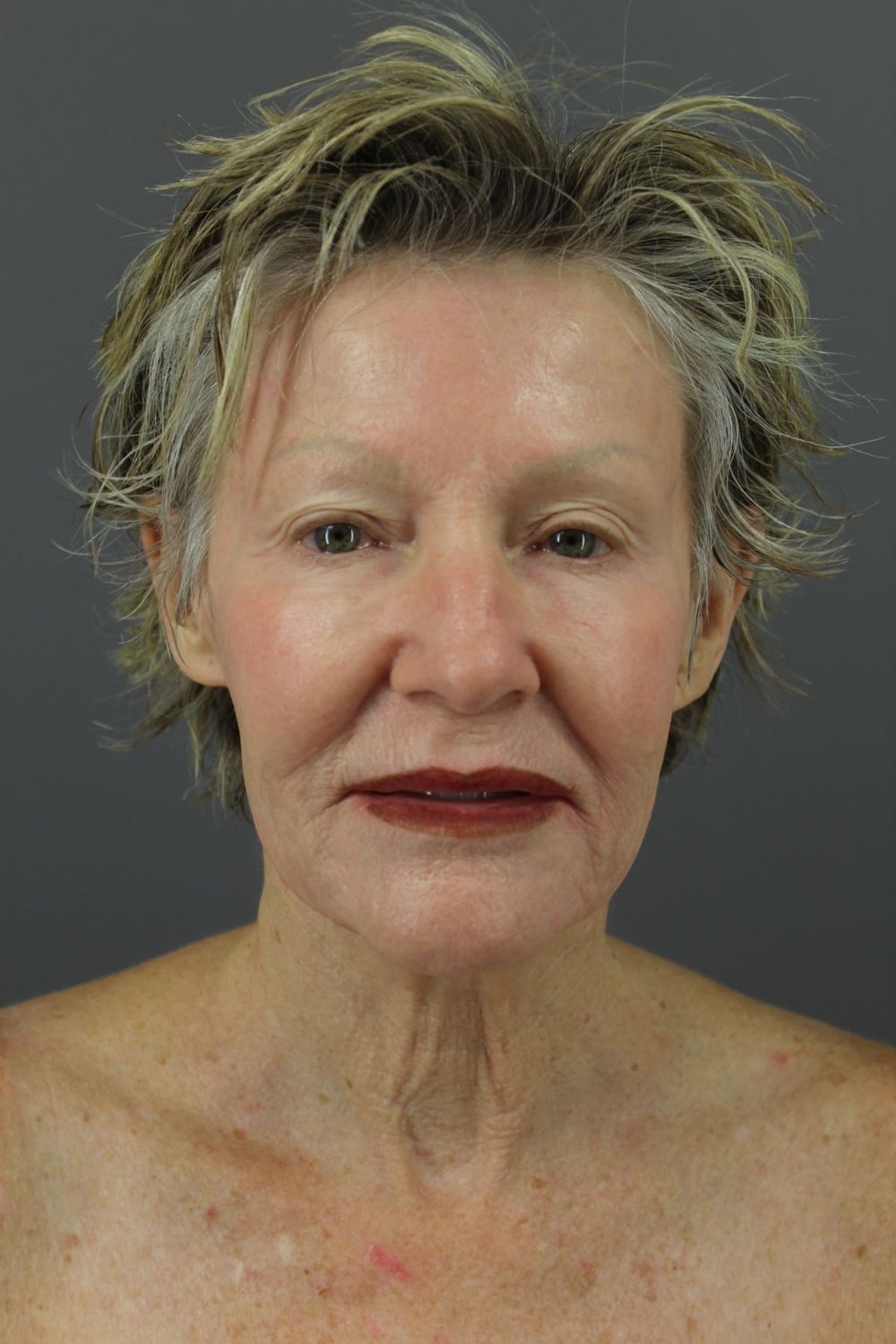
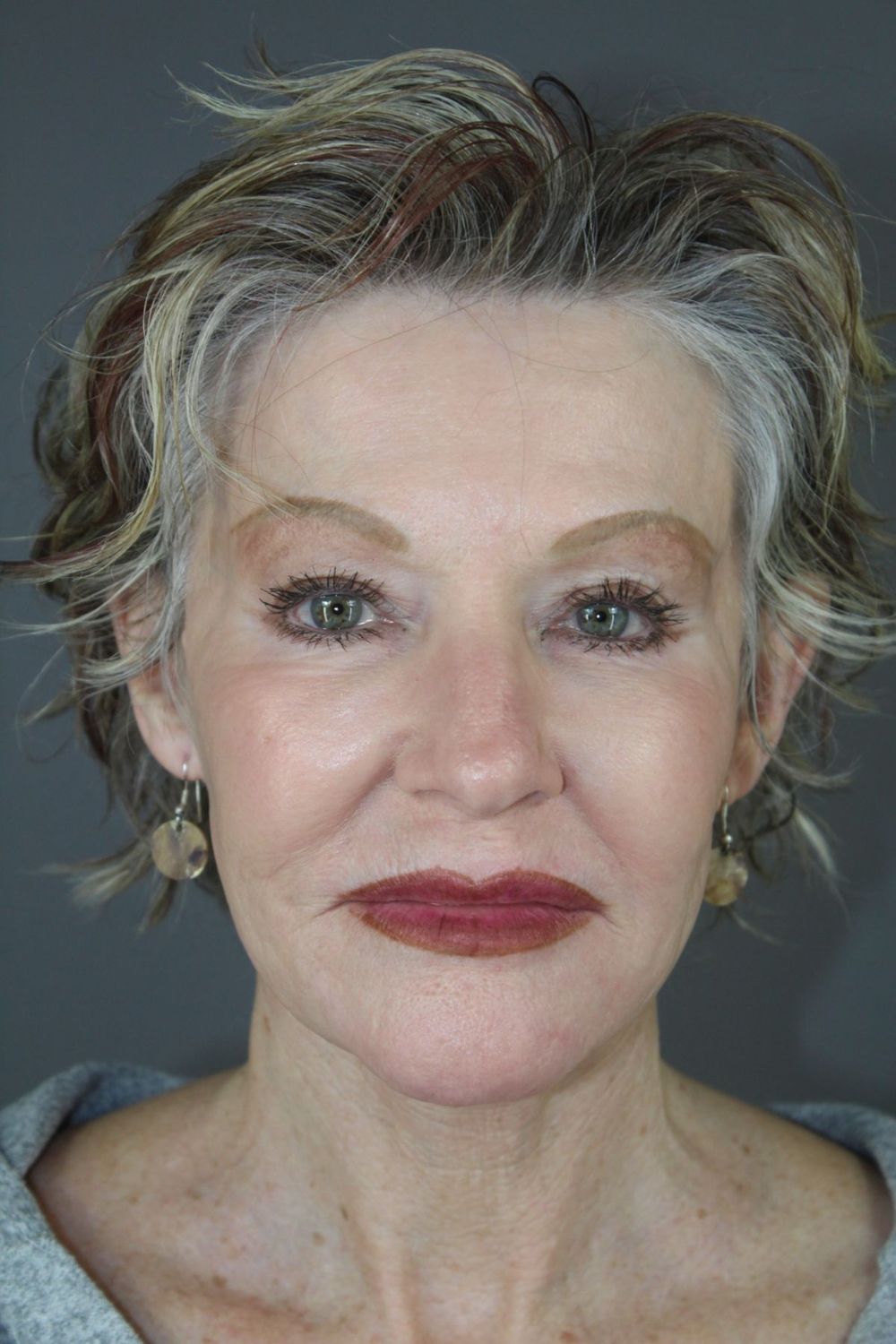
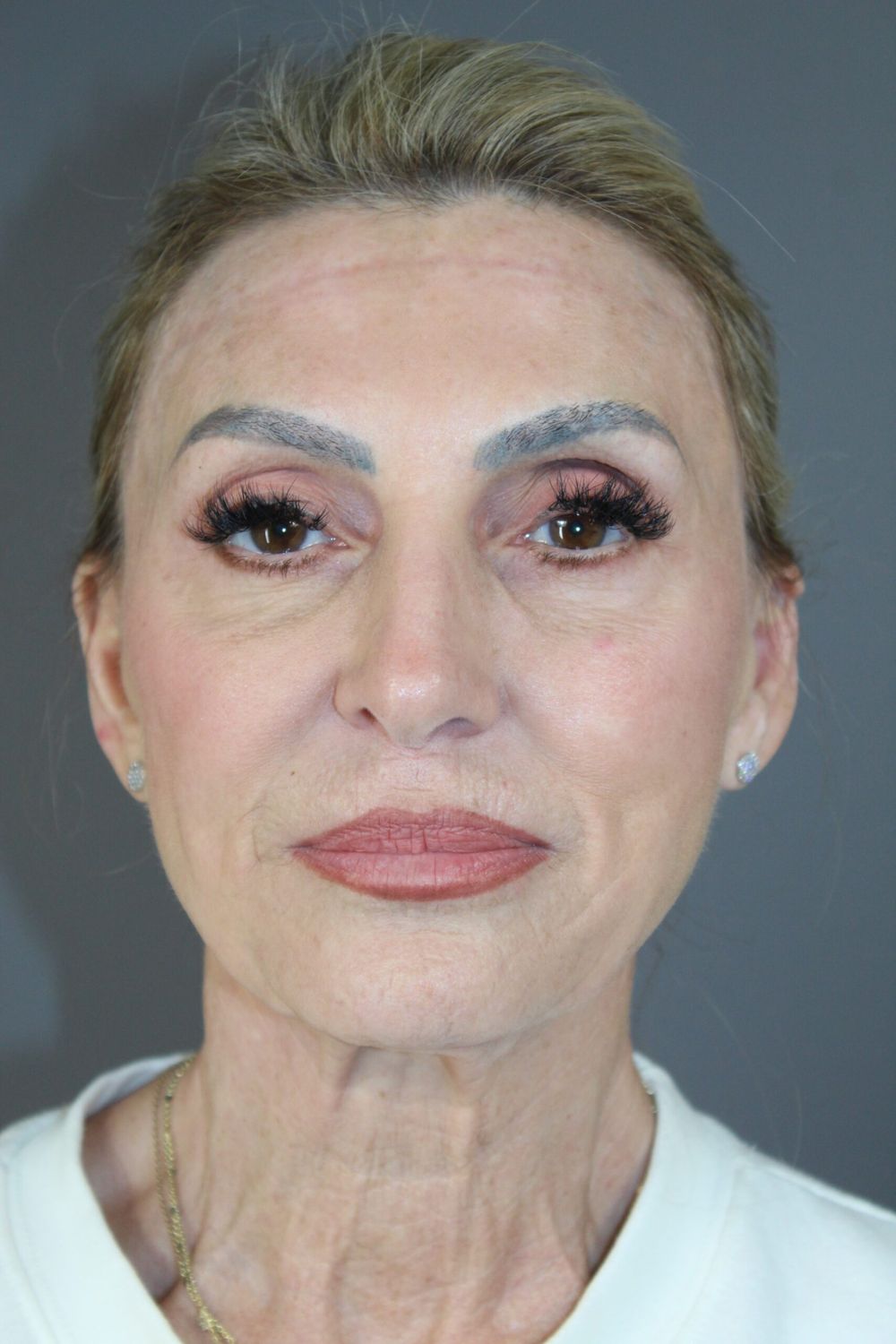
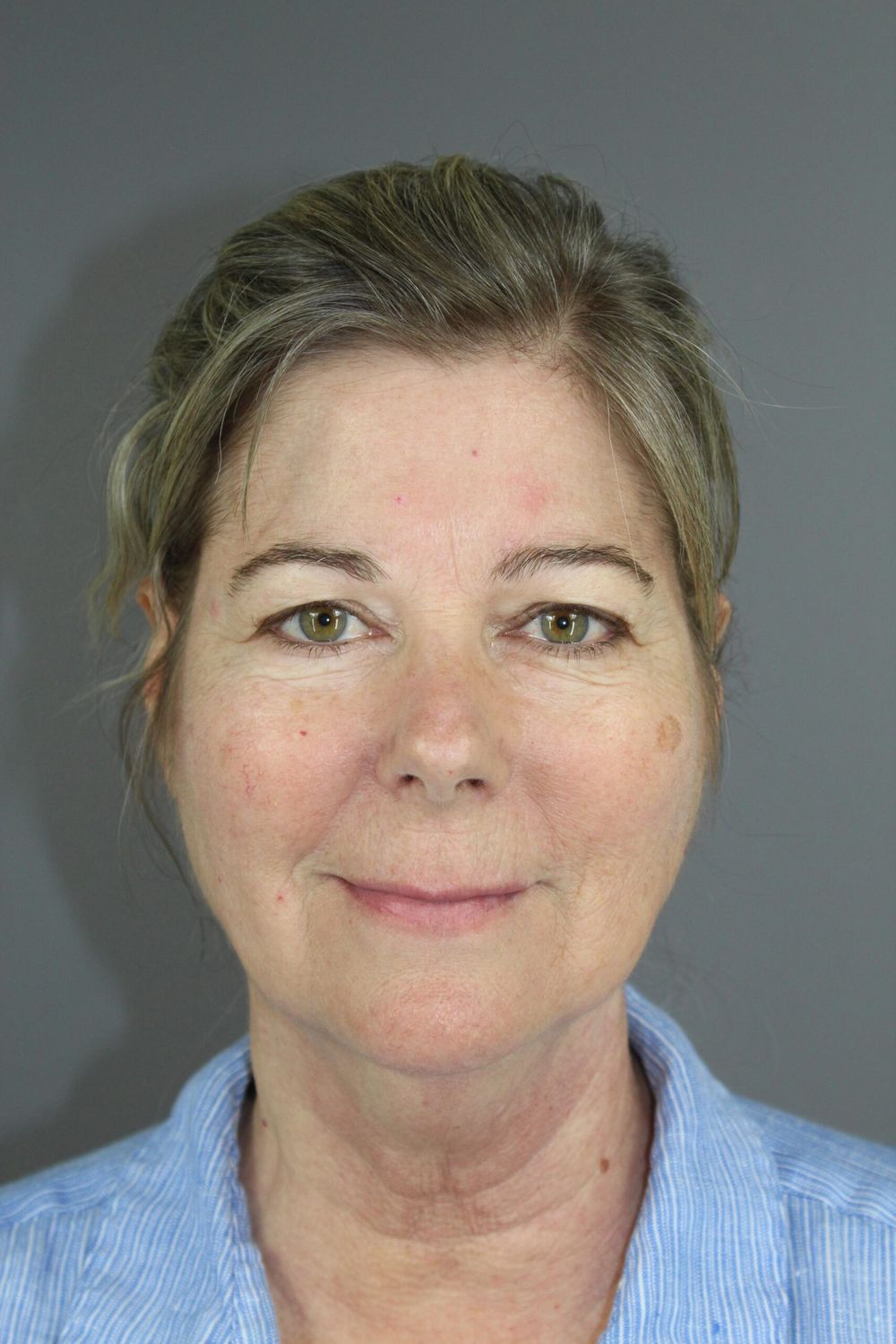
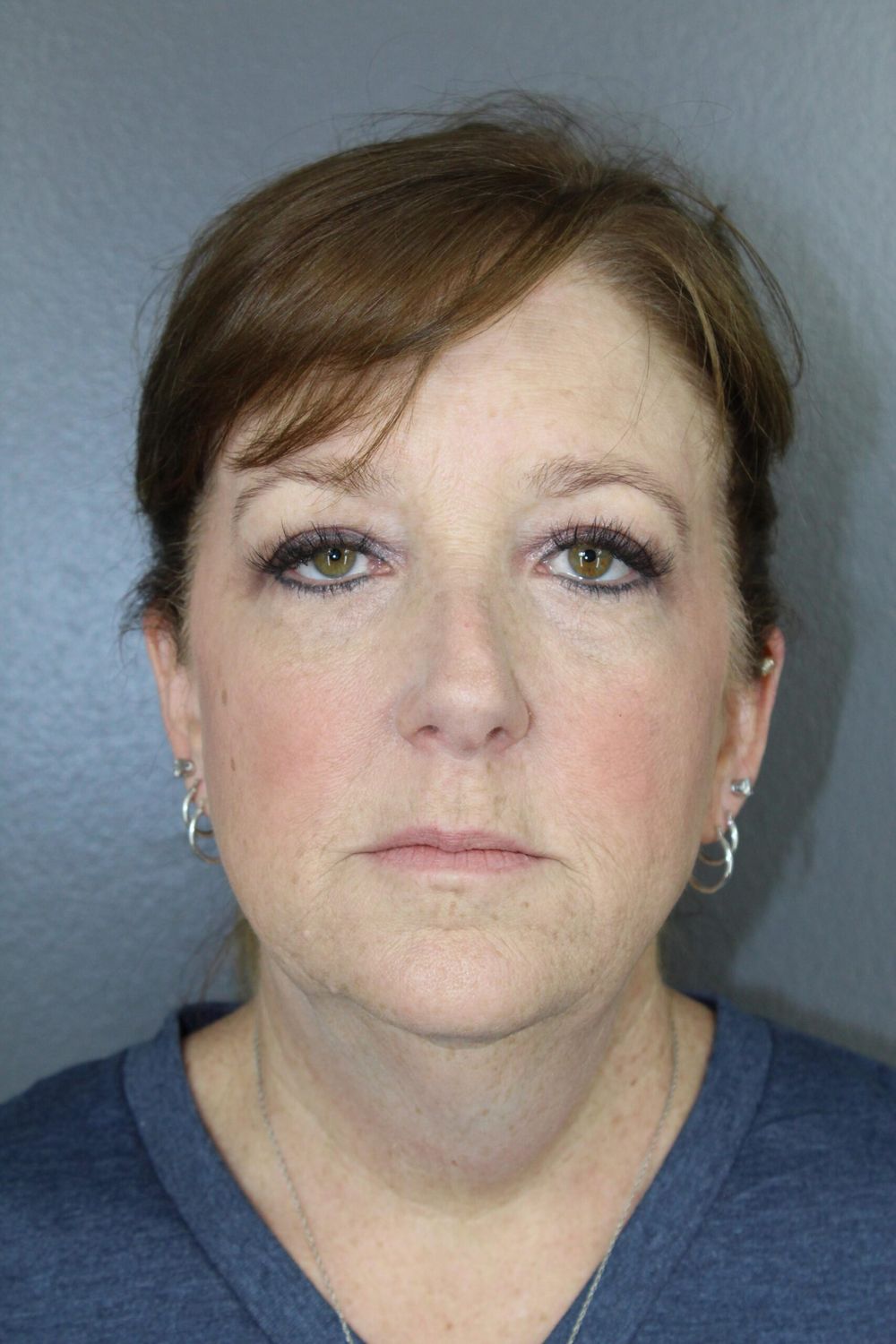
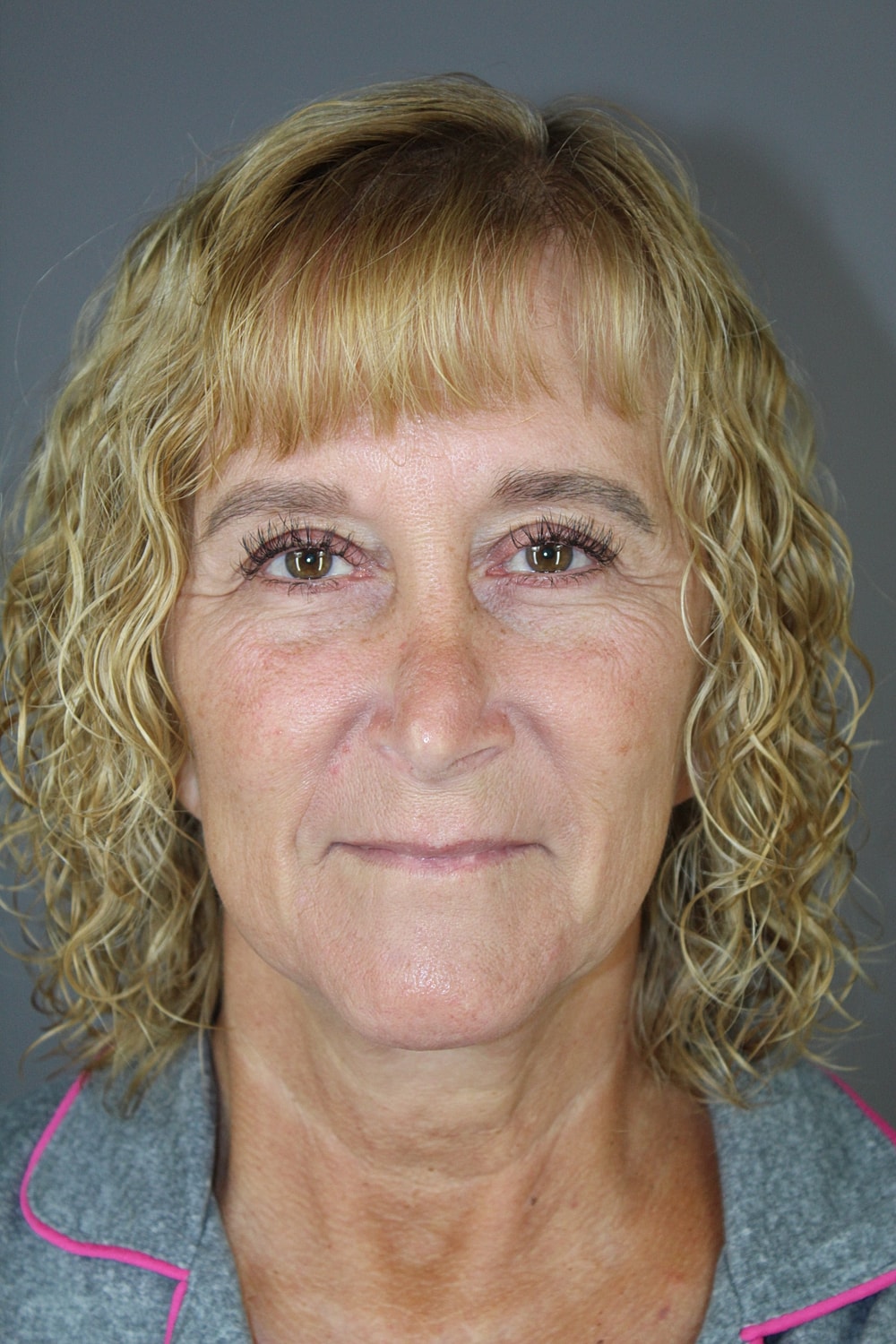
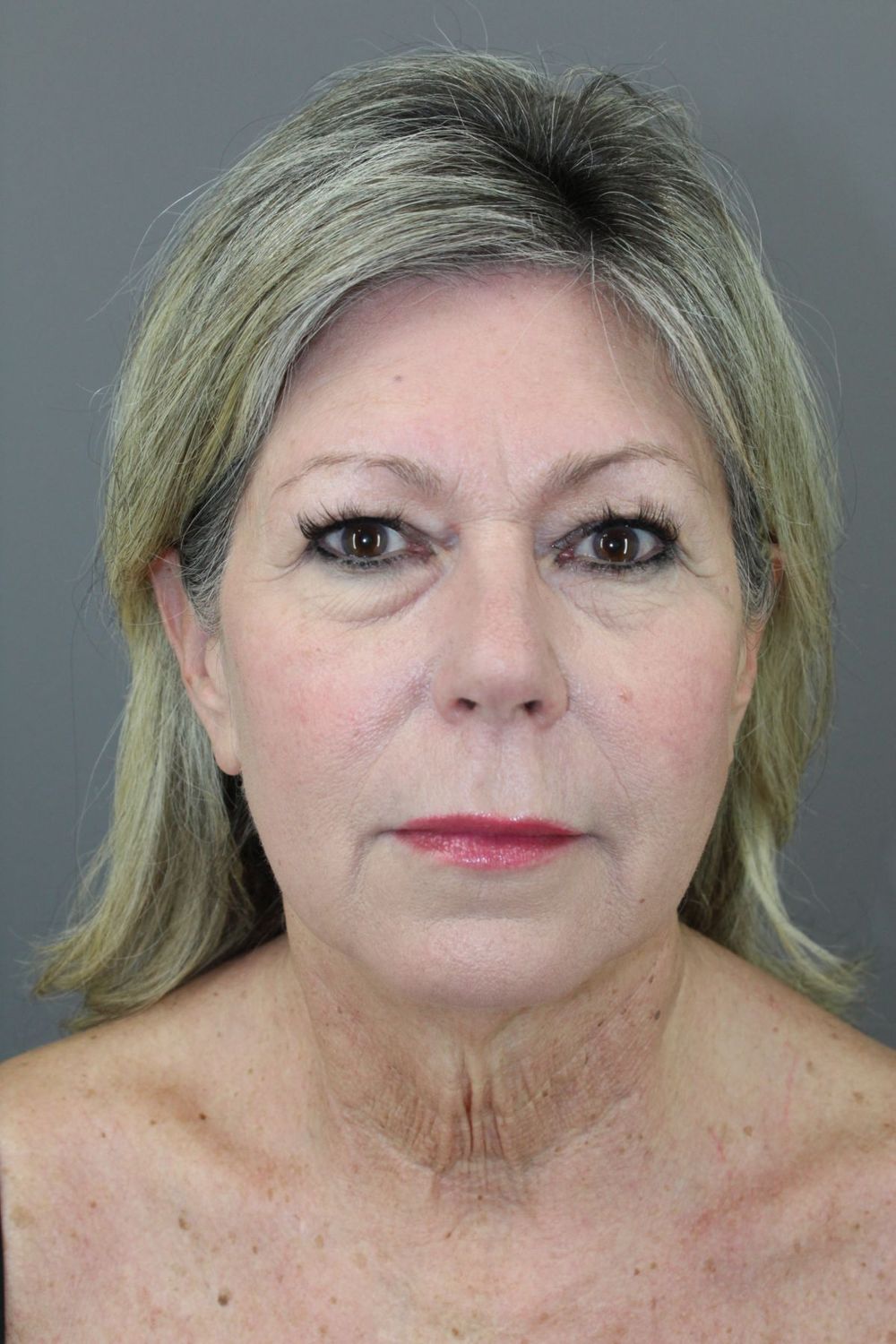
A deep plane facelift is rarely about looking different. Most patients start with a simpler concern: the jawline looks softer, the cheeks feel heavier, the folds around the mouth look deeper, or the neck no longer matches the rest of the face. For patients in Katy, the goal is usually not a dramatic change. It is a more defined lower face, a smoother transition into the neck, and a result that looks refined in everyday life. For the right candidate, a deep plane facelift can address deeper facial aging more effectively than lighter lifting techniques.
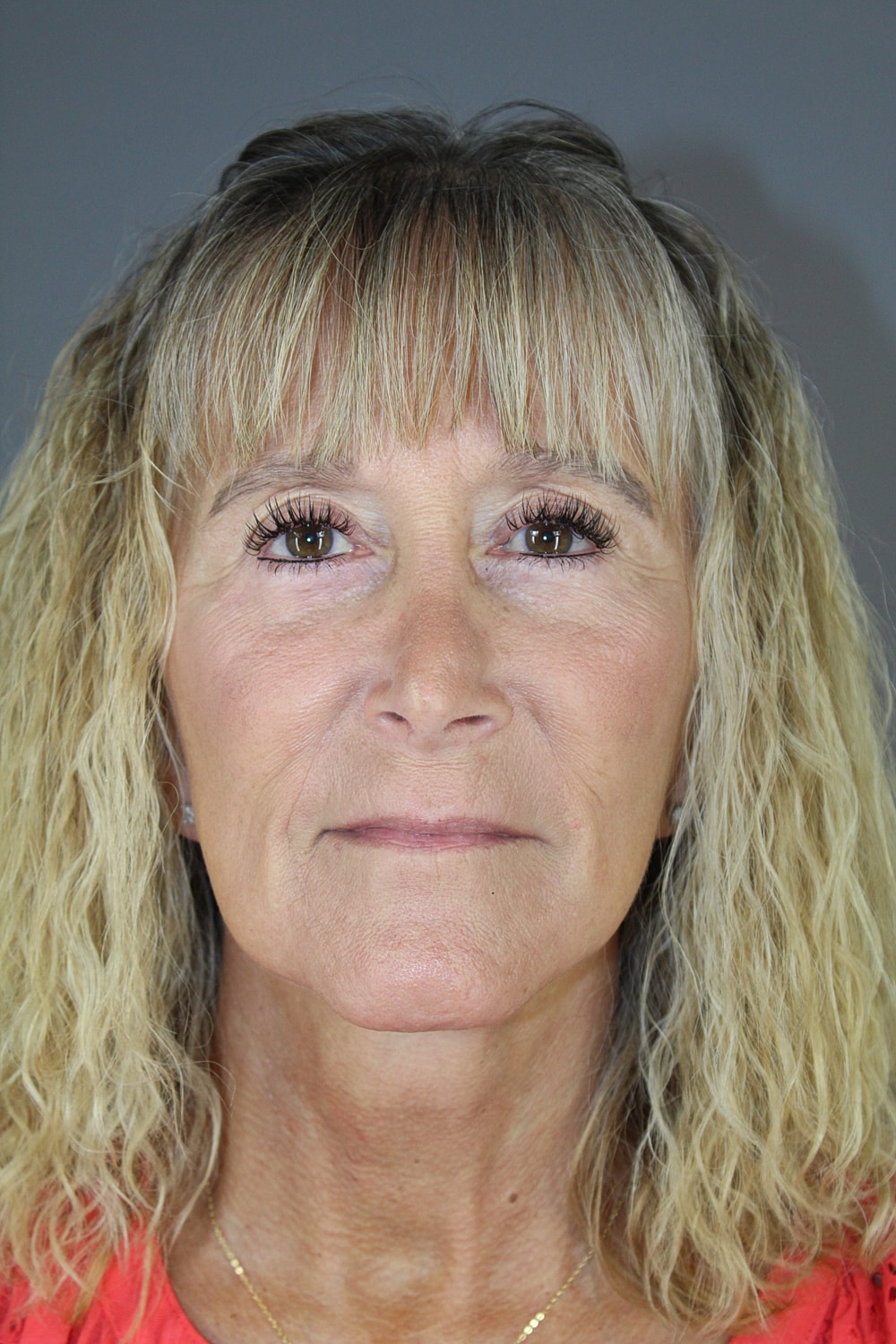
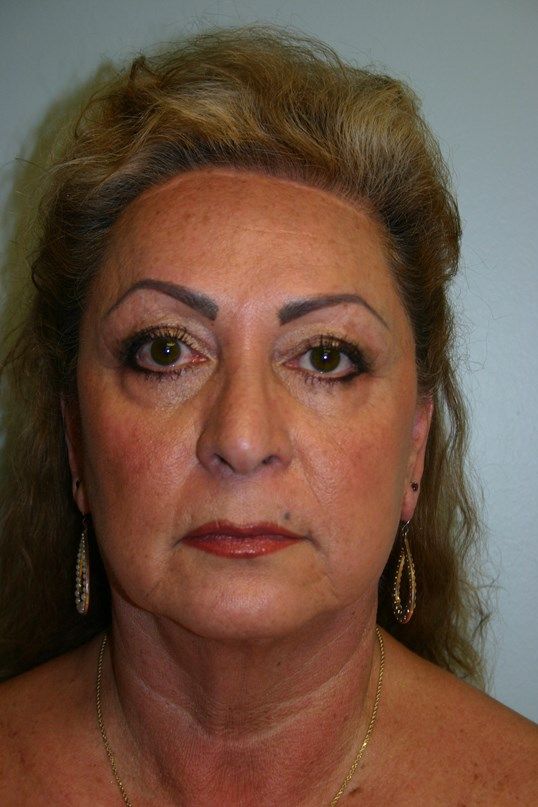
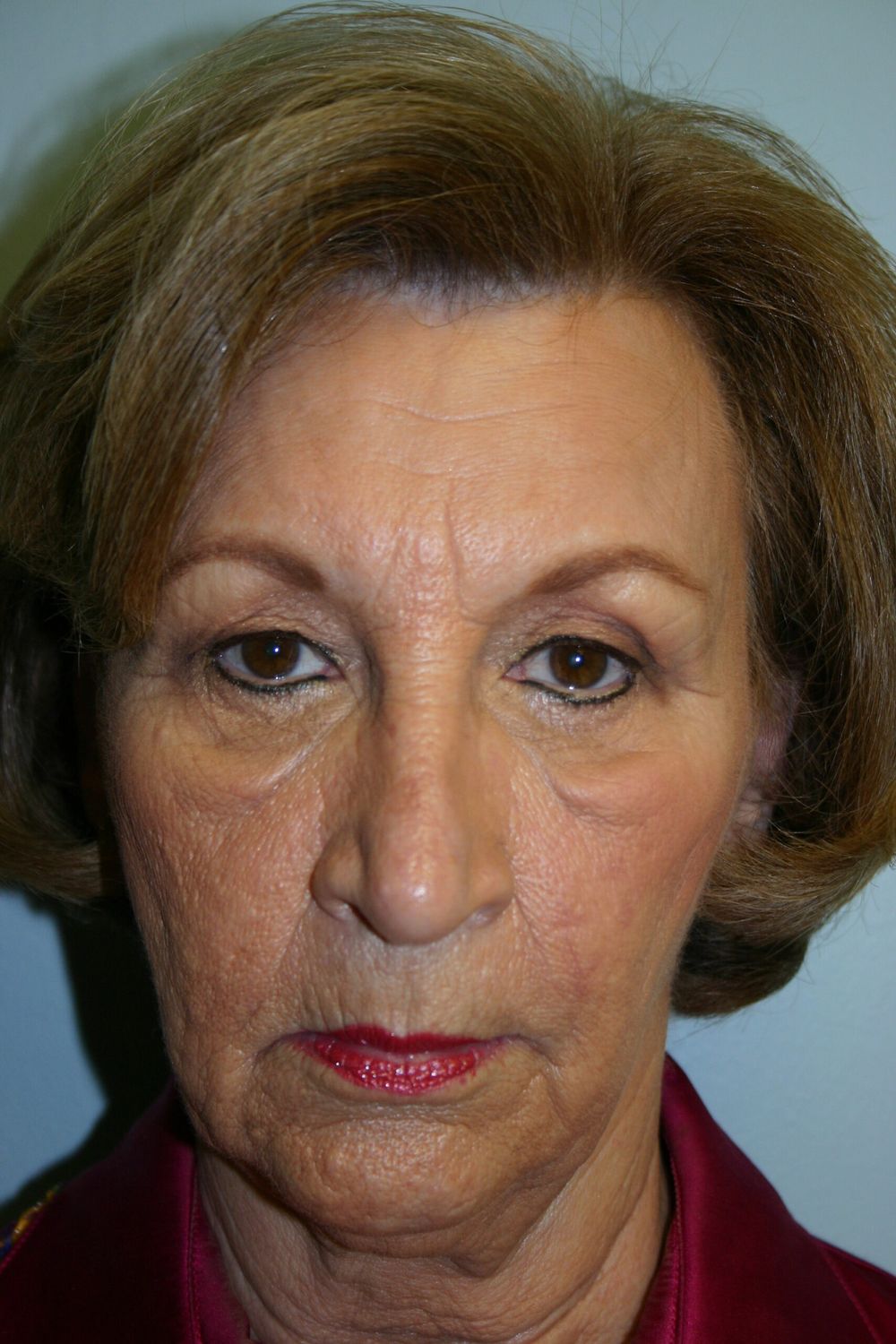
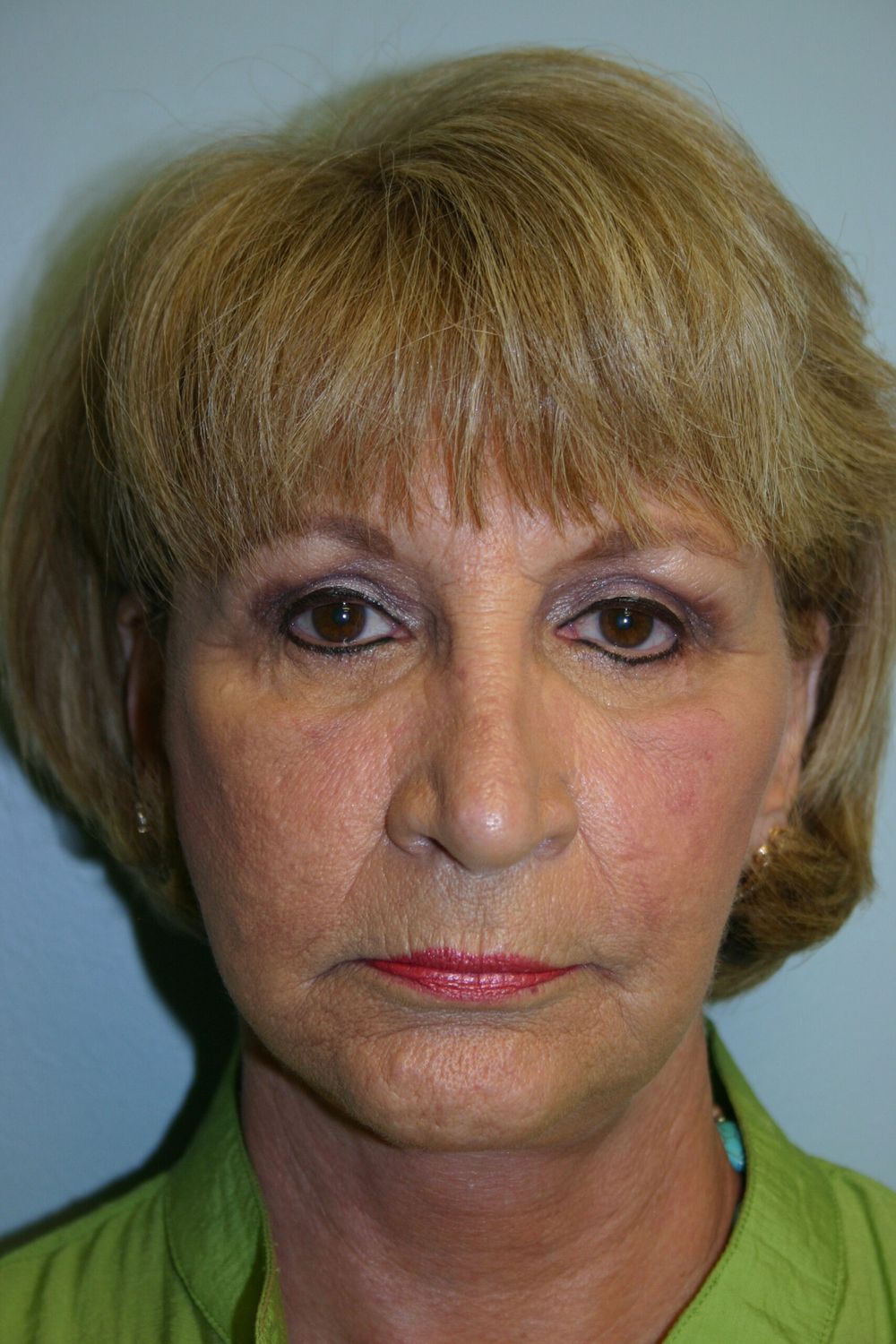
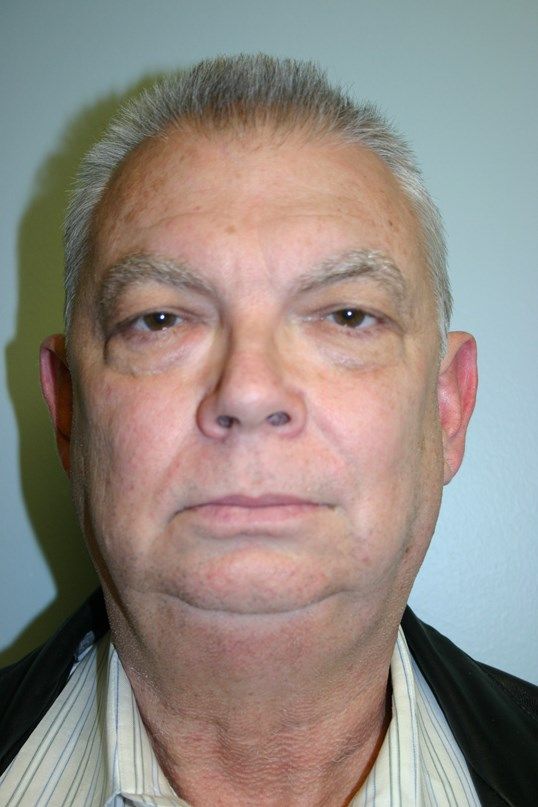
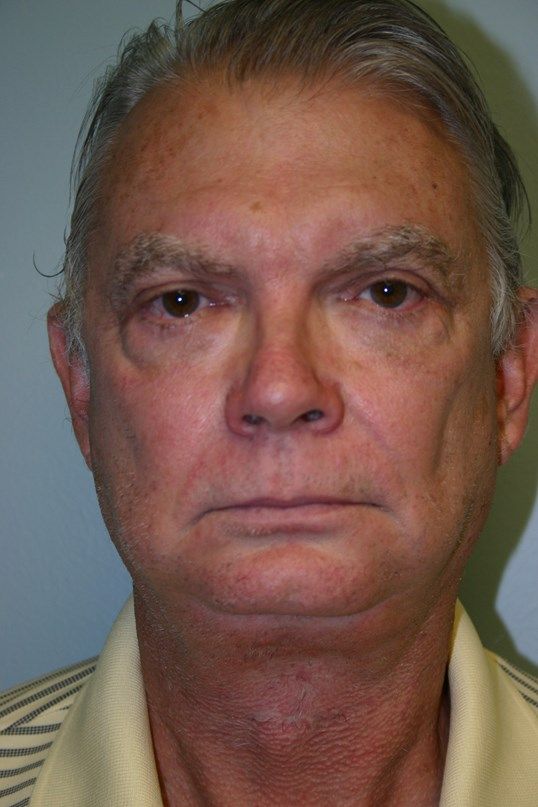
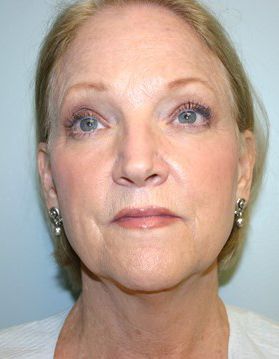
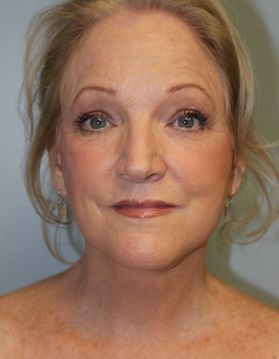
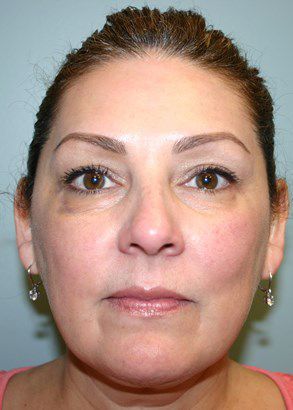
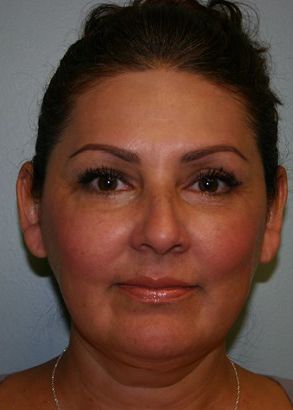
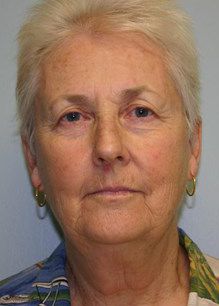
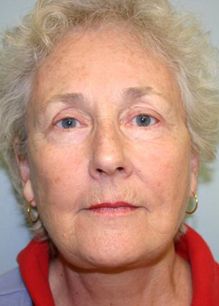
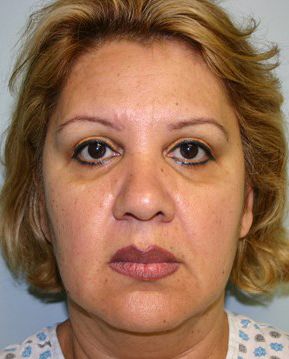
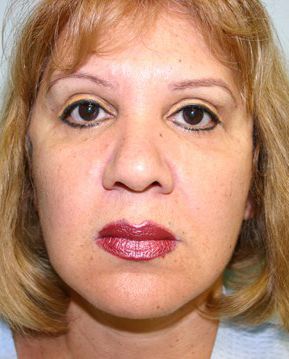
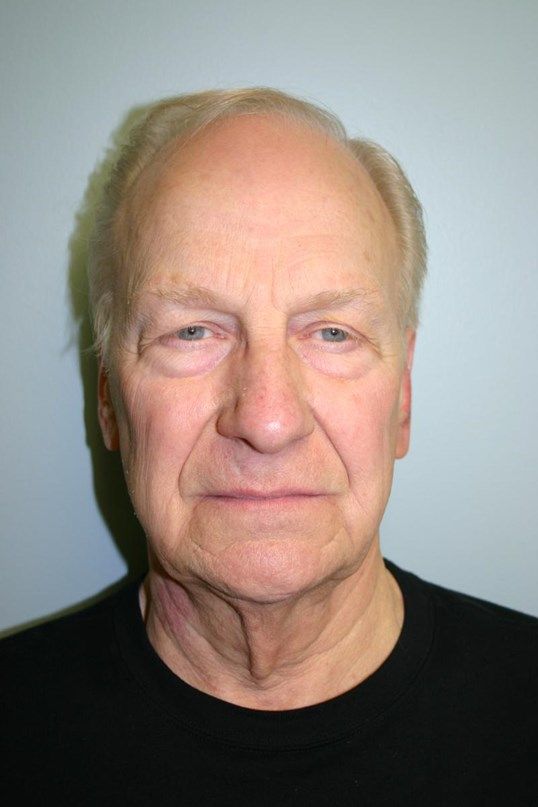
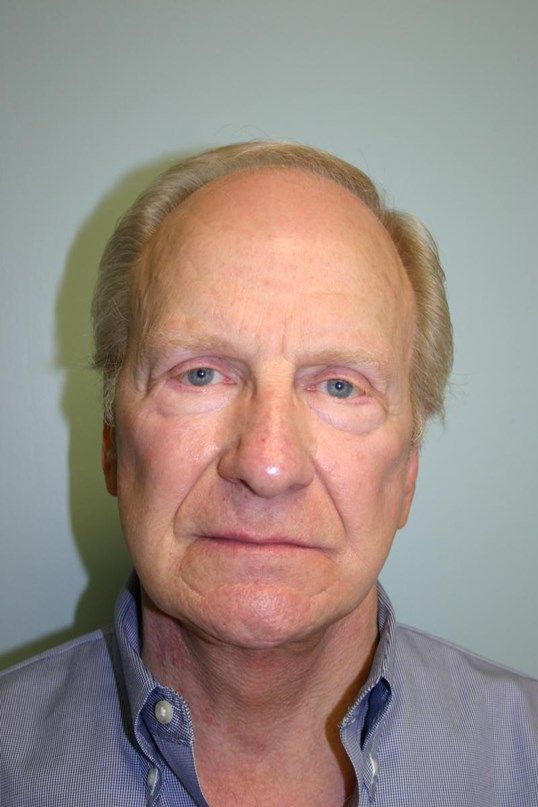
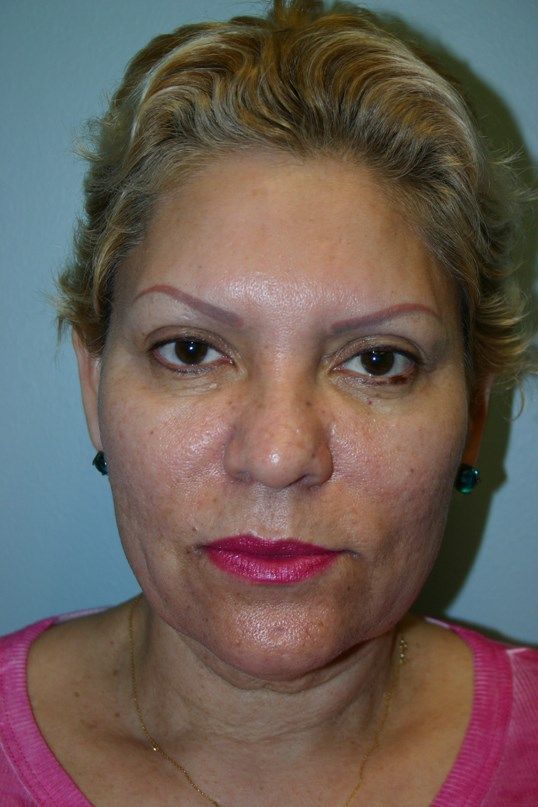
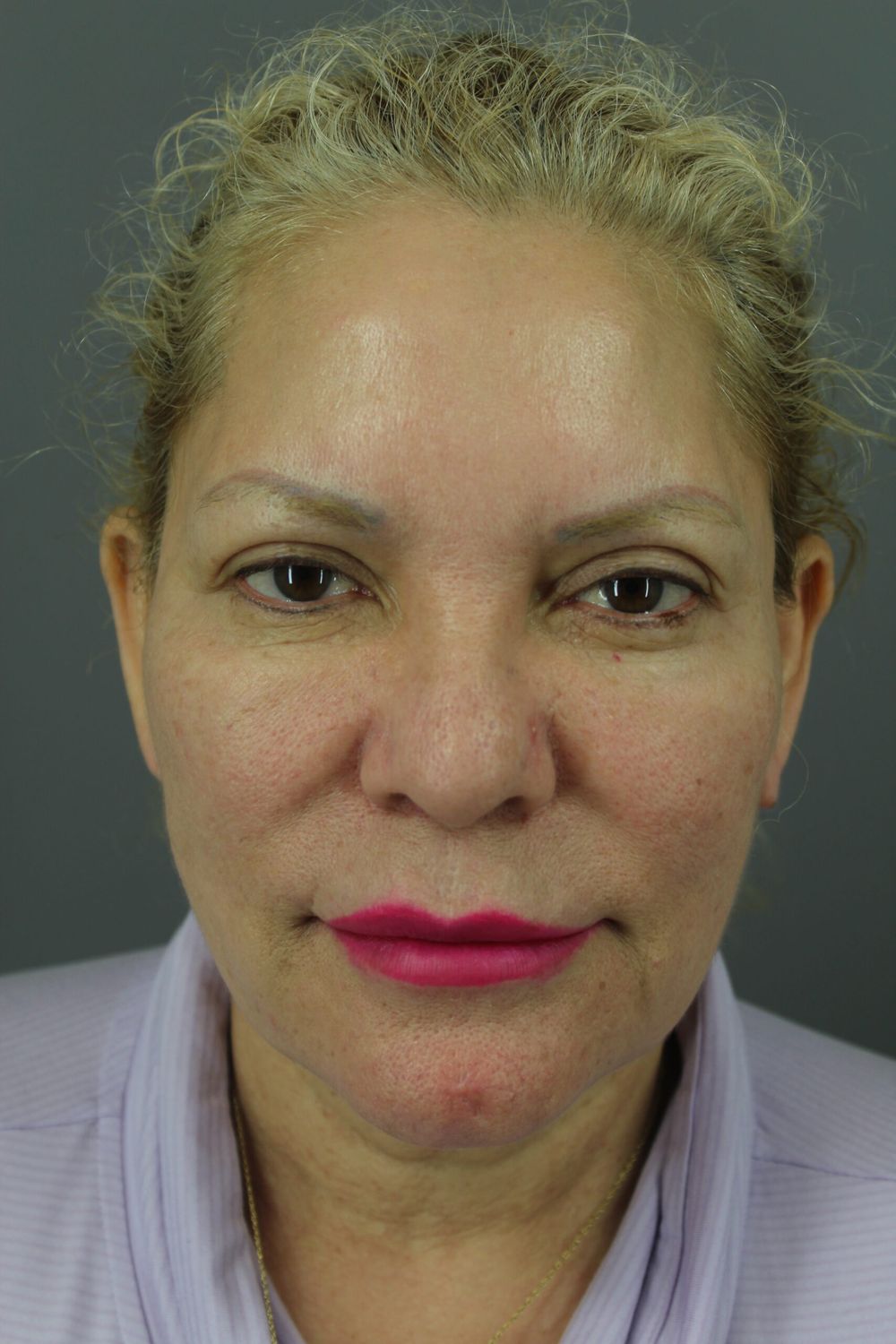
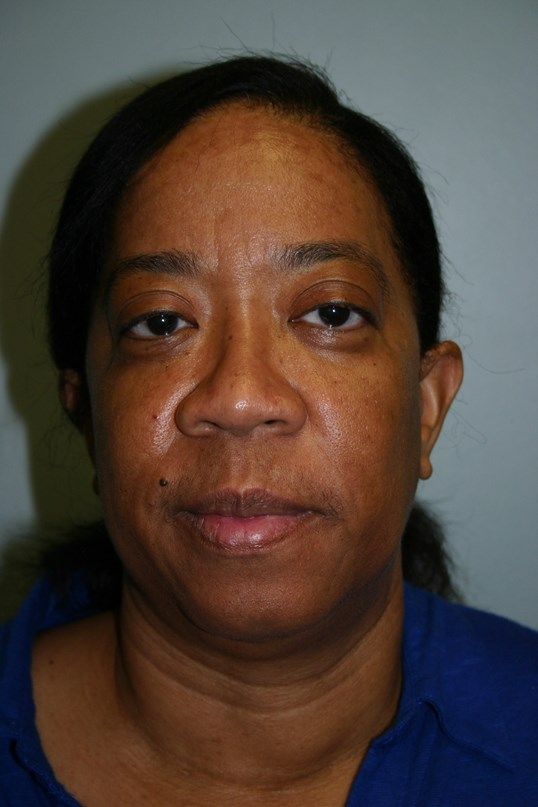
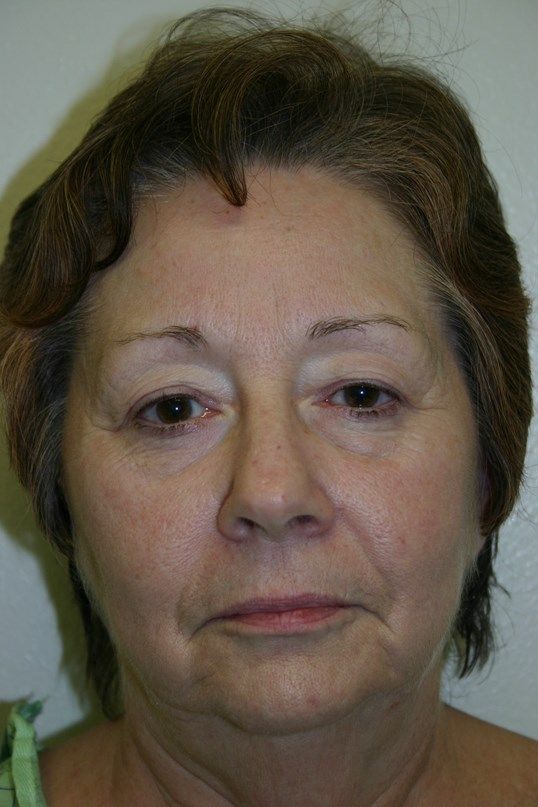
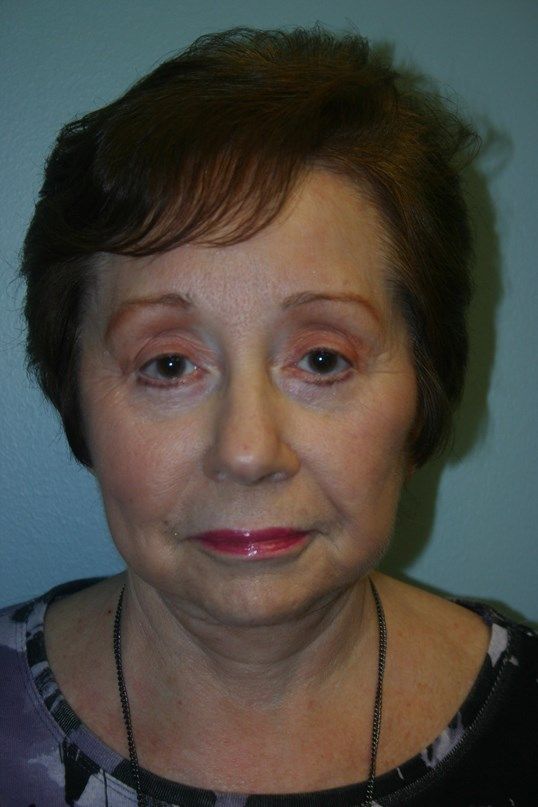
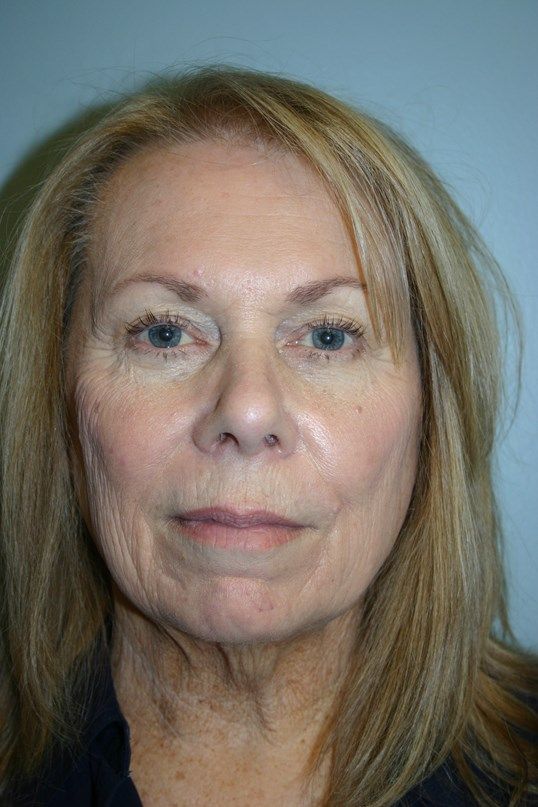
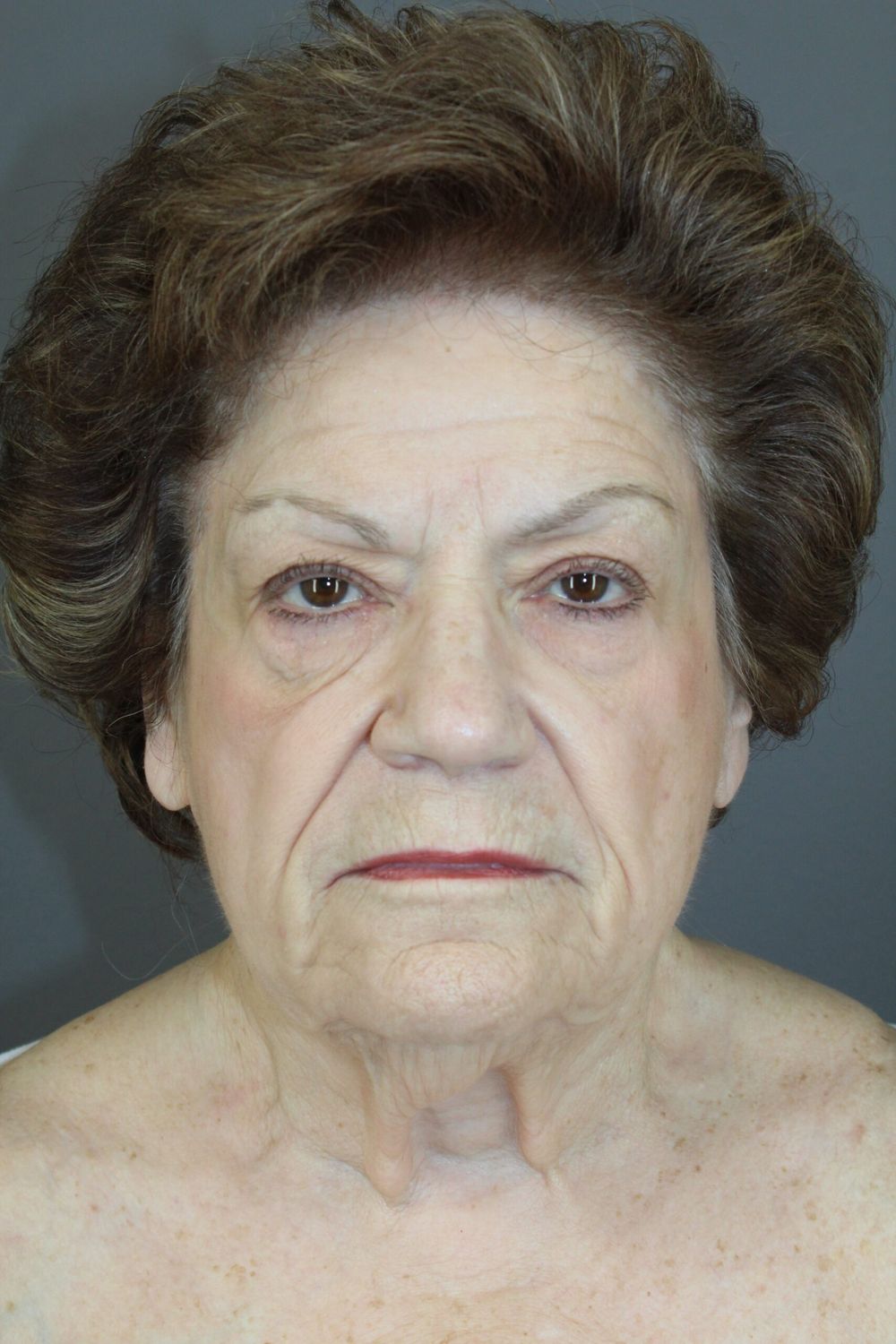
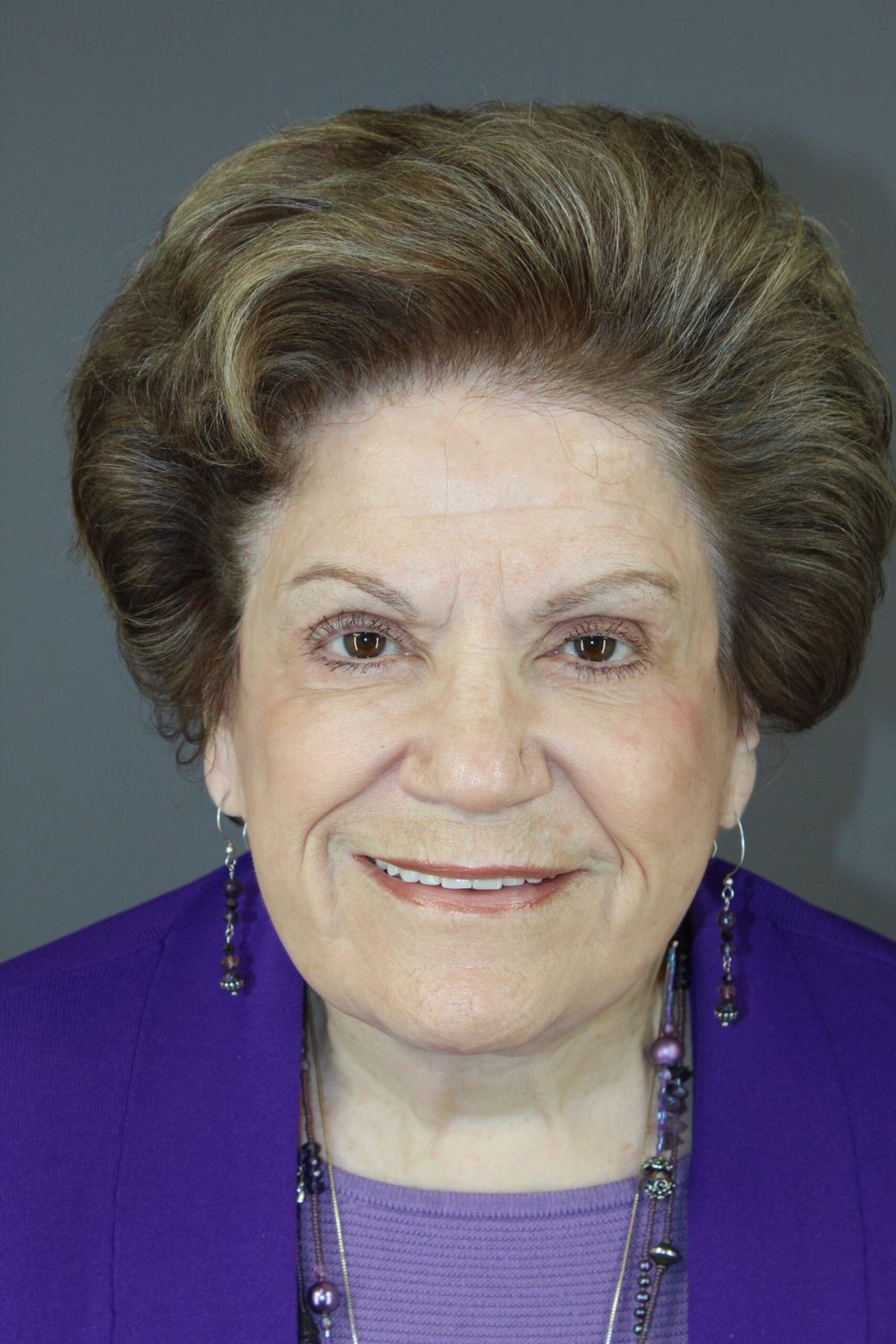
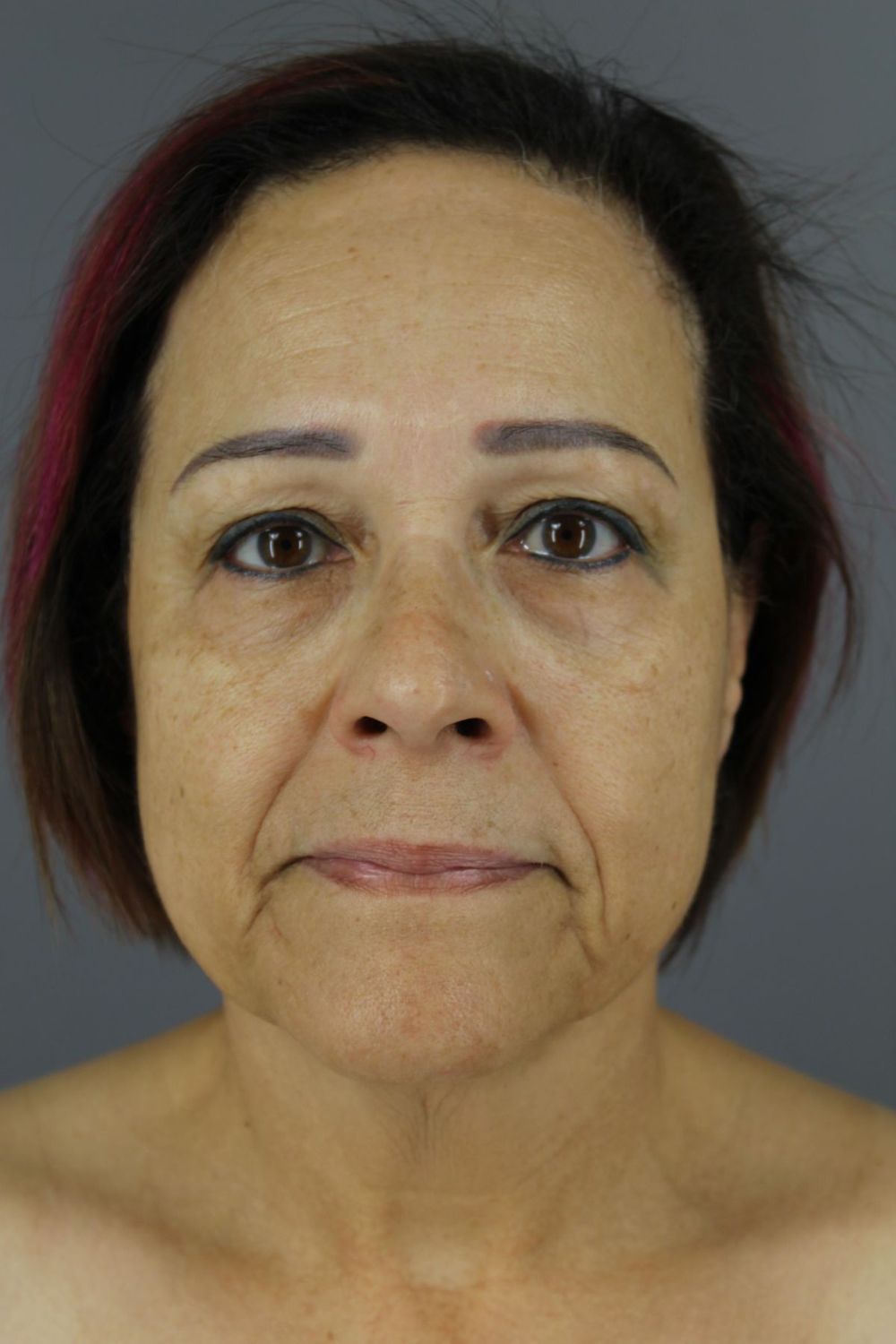
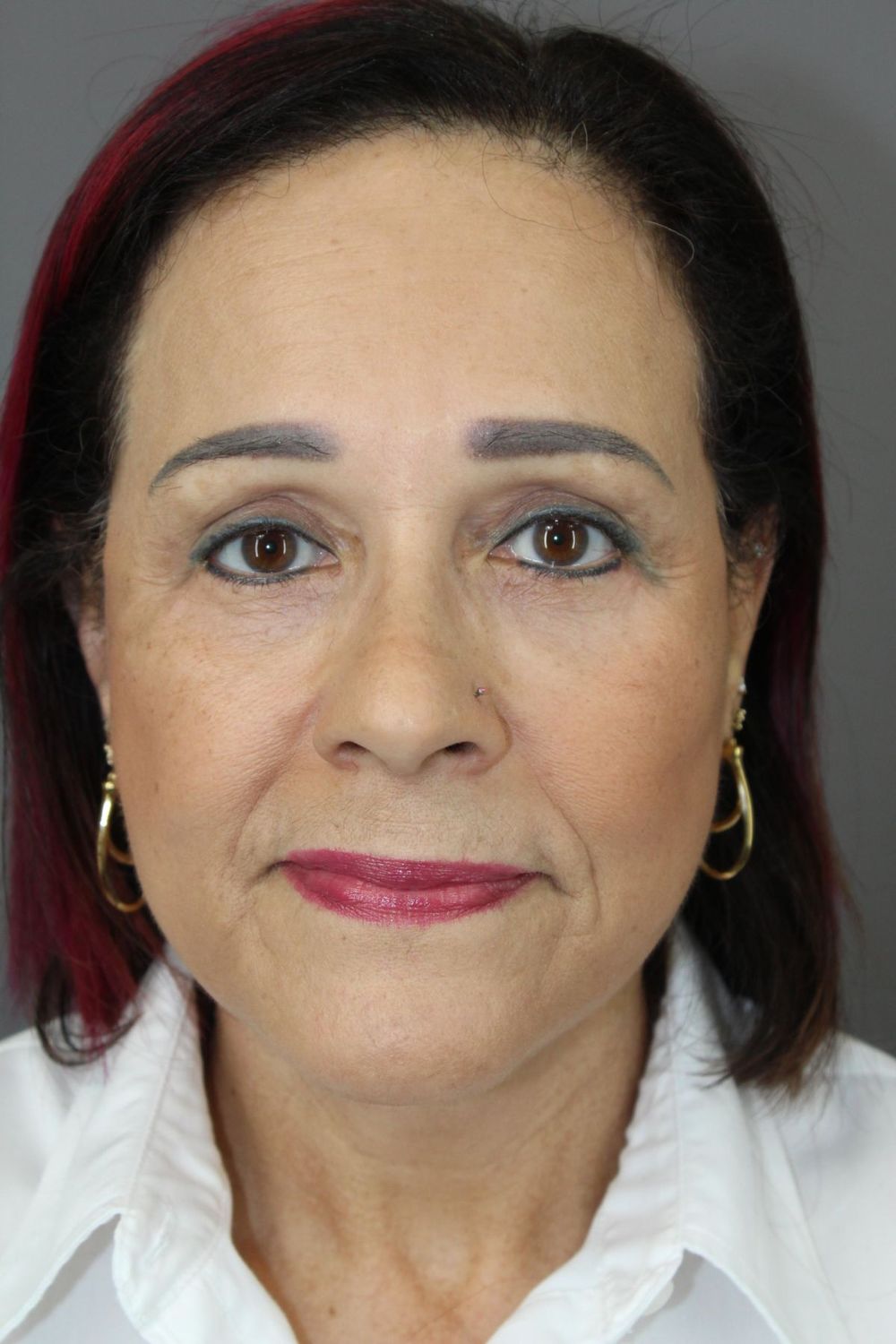
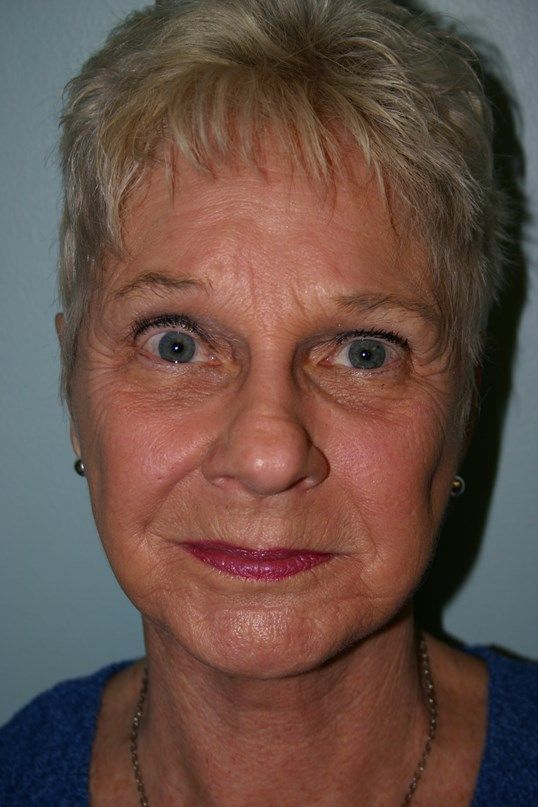
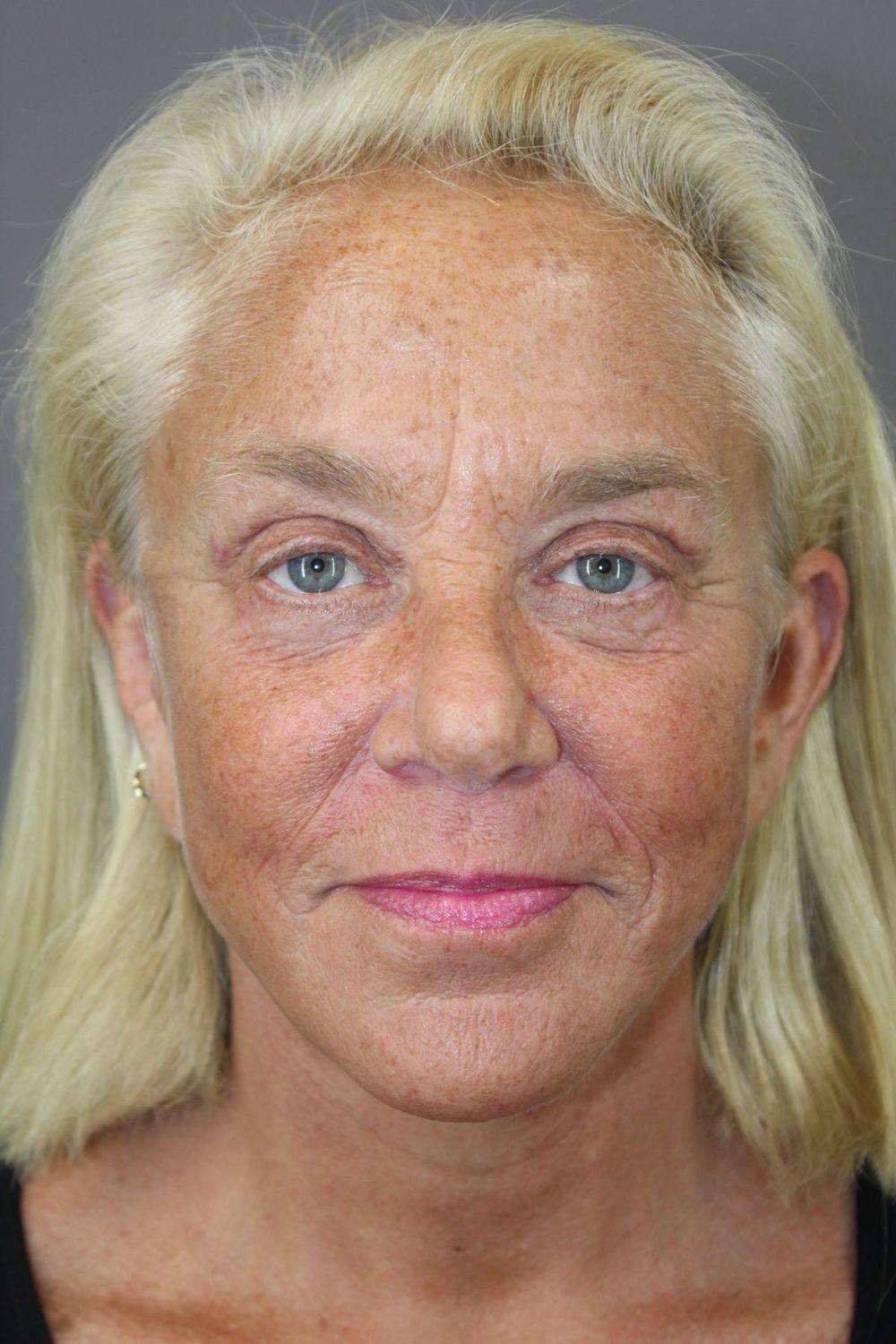
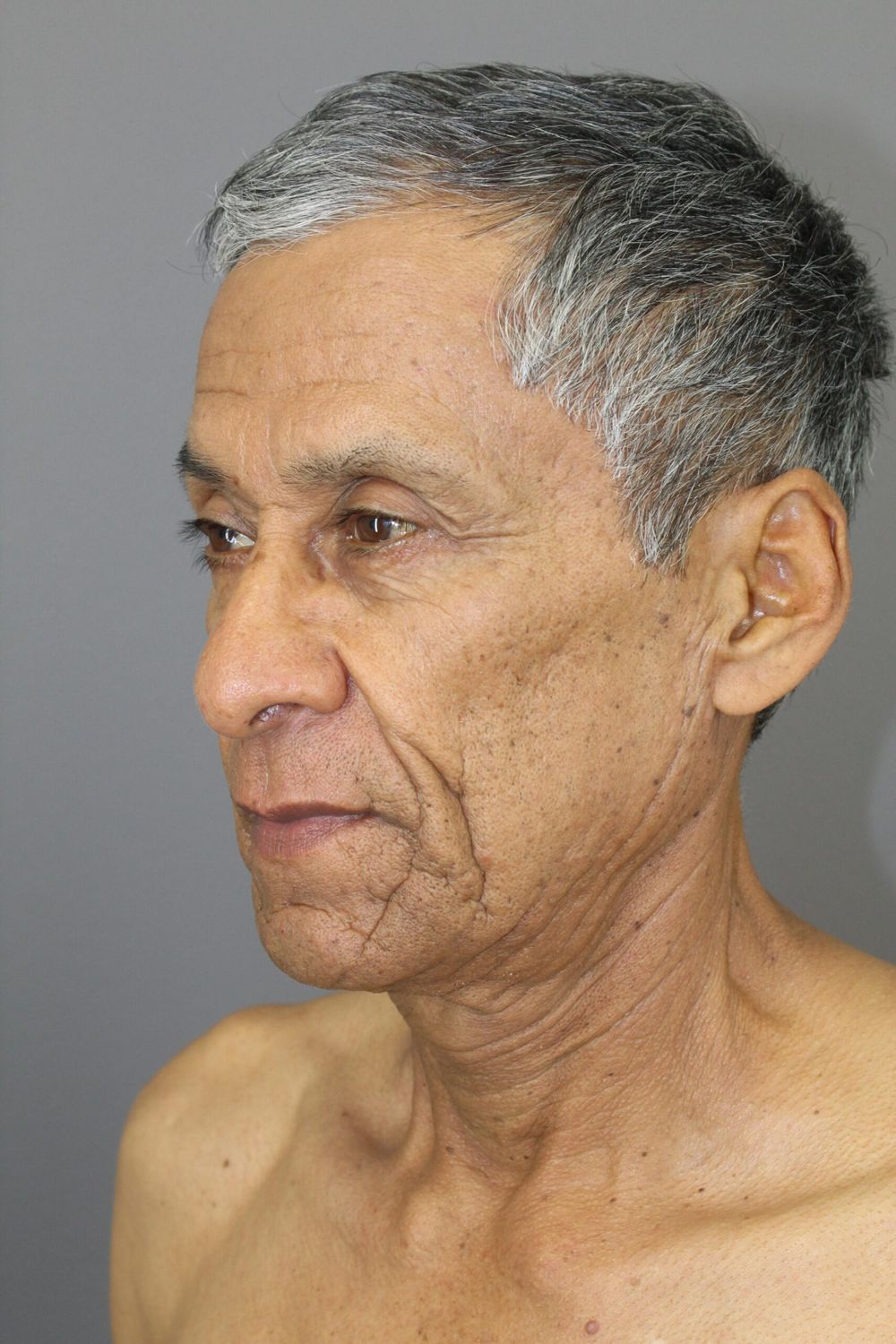
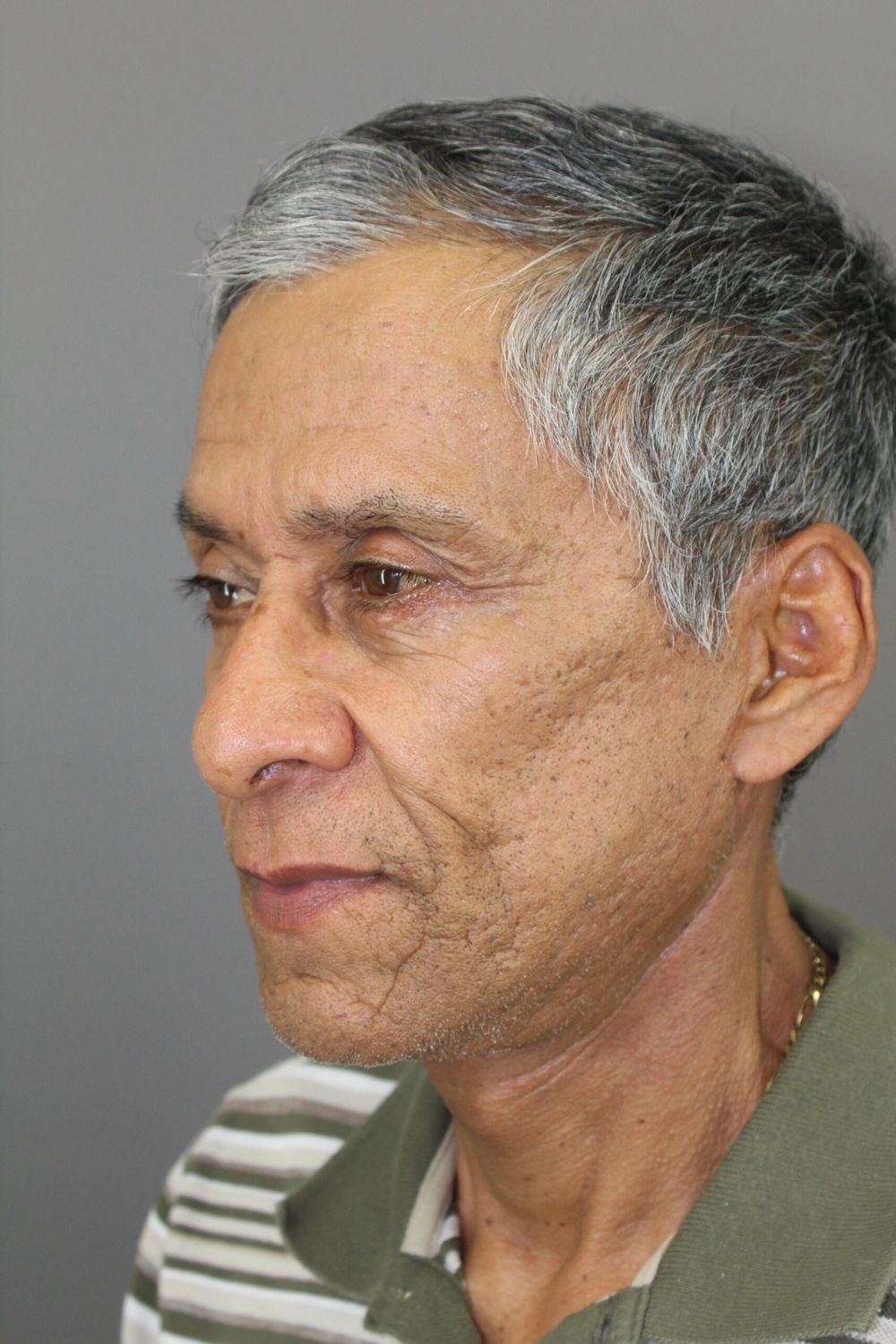
1 of 36


A deep plane facelift is a surgical facelift technique that lifts and repositions deeper facial tissues rather than tightening skin alone. It is designed to improve jowls, deeper facial folds, cheek descent, and neck laxity by restoring support beneath the skin for a more natural, longer-lasting result.
A traditional facelift works more at the surface. A deep plane facelift goes further, releasing and repositioning deeper layers of facial tissue so the lift comes from structural support rather than pull on the skin. That distinction matters in patients with more advanced facial aging, especially when the cheeks, jawline, and neck have all begun to descend together.
At a Glance | Details |
|---|---|
| Best for | Moderate to advanced facial laxity, jowls, deeper folds, cheek descent, and neck aging |
| Treatment type | Surgical facelift |
| Downtime | Usually one to two weeks of visible social downtime, with ongoing refinement afterward |
| Pain level | Most patients describe tightness and soreness more than severe pain |
| Treatment length | Varies depending on whether a neck lift, eyelid surgery, or fat transfer is added |
| When results appear | Early improvement appears as swelling starts to ease; refinement continues over several months |
| How long results last | Long-lasting, though facial aging continues naturally |
| Cost or pricing note | Pricing reflects surgical complexity, anesthesia, facility, and whether other facial procedures are combined |
A deep plane facelift treats structural facial descent, not just loose skin.
It may improve:

A deep plane facelift can improve descended cheek tissue and heaviness through the center of the face. This is especially helpful when the face looks flatter through the cheeks and fuller near the mouth.
The lower face is one of the main treatment areas. Jowls, jawline blurring, and tissue bunching near the corners of the mouth often improve when the deeper support layer is repositioned.
Many patients considering a deep plane facelift also need improvement in the neck. A neck lift may be performed at the same time when loose skin, banding, or a heavier angle beneath the chin are part of the concern. Treating the lower face without treating the neck can leave the result feeling incomplete.
The main advantage of a deep plane facelift is where the lift happens. The correction comes from deeper support, not just the skin.
Benefits may include:
A good candidate is someone with visible tissue descent who needs more than a limited lift or nonsurgical camouflage.
You may be a good candidate if…
A deep plane facelift may not be the right fit if…

A deep plane facelift is a more advanced facelift technique that works below the skin and deeper support layer, allowing facial tissues to be mobilized and repositioned more directly.
Dr. Lapuerta evaluates facial structure, skin quality, tissue descent, neck laxity, and whether related procedures should be added for a more balanced result.
Surgery is performed in an accredited surgical setting with physician-provided anesthesia.
Incisions are usually placed around the ears and hairline so scars can heal in less visible locations.
Instead of simply tightening skin, the deeper facial layer is released and lifted. This helps improve jowls, midface descent, and deeper folds more effectively.
Once the deeper tissues are secured, the skin is laid back into position with far less tension than a surface-only lift would require.
Excess skin is trimmed conservatively, incisions are closed, and the recovery phase begins.
Incisions and scar placement
A deep plane facelift does involve incisions, but the goal is to place them in natural creases around the ears and within the hairline, where they can fade with time. Good incision design matters. So does patience during healing.
Deep plane facelift vs. SMAS facelift
Both approaches go deeper than a skin-only lift. The difference is that the deep plane facelift releases and repositions tissues in a deeper plane, which may allow stronger improvement in the cheeks and nasolabial area for selected patients. The right technique depends on the anatomy in front of the surgeon, not on which term sounds more advanced.
Recovery after a deep plane facelift usually includes swelling, bruising, tightness, and temporary numbness. The first week is the most socially limiting. Healing continues after that, but patients should expect a real recovery period.
Most patients do not want to be seen in public right away. Swelling and bruising are often most noticeable in the first one to two weeks. Makeup may help later, but most people prefer to wait until the obvious signs of surgery have eased before returning to events, work meetings, or photos.
Walking starts early, but heavy lifting, strenuous exercise, and bending that increases facial pressure need to wait. Sleeping with the head elevated usually helps. Cold compresses and prescribed medication may be used during the early recovery period.
You will see a change early, but not the final result. Once the initial swelling improves, the jawline and lower face usually begin to look cleaner. The cheeks and folds continue to settle over the following weeks and months.
Stage | What to Expect |
|---|---|
| First 1–2 weeks | Swelling and bruising still influence appearance |
| Weeks 3–6 | Better facial definition and less obvious postoperative change |
| Months 2–3 | A more refined, stable appearance |
| Months 6+ | Continued softening, scar improvement, and final contour settling |
Deep plane facelift results are long-lasting, but no facelift stops aging. Longevity depends on skin quality, facial structure, weight stability, smoking history, sun exposure, and how the face continues to age over time. A well-executed facelift should continue to look like your face, simply in a firmer and more rested state.

Scar anxiety is reasonable. It should be addressed directly. Deep plane facelift scars are usually placed around the ears and within the hairline so they are easier to conceal. Early scars may look pink or firm. Over time, most soften and fade. Scar quality depends on incision design, closure technique, skin type, and aftercare.
Patients in Katy often compare the deep plane facelift with lighter surgical lifts or nonsurgical treatments. The right answer depends on anatomy, not trends.
Option | Best For | Limits |
|---|---|---|
| Mini facelift | Mild to moderate lower-face laxity | Less correction for deeper folds, neck aging, or midface descent |
| SMAS facelift | Moderate facial aging with deeper support than skin-only lifting | May not mobilize deeper tissues as extensively as deep plane techniques |
| Deep plane facelift | More advanced jowls, folds, and cheek descent | More involved surgery and recovery |
| Fillers or nonsurgical treatment | Volume loss or temporary camouflage | Does not remove excess skin or reposition descended tissues |
Yes. Many patients need more than one issue addressed for the result to look balanced.
Common combinations include:
A deep plane facelift is not a procedure to choose by buzzword alone. It requires formal plastic surgery training, a detailed understanding of facial anatomy, and the judgment to know when a deeper lift is appropriate and when another approach would serve the patient better. Dr. Leo Lapuerta is triple board-certified, including certification by the American Board of Plastic Surgery, and has more than 30 years of experience performing plastic surgery procedures with an excellent safety record.
For patients considering a deep plane facelift near Katy, that level of background matters. Dr. Lapuerta has performed more than 30,000 procedures, holds privileges at multiple hospitals in the Houston area, and has served in leadership and teaching roles that reflect peer trust in his training and experience. His practice is centered on detailed consultations, careful surgical planning, and surgery performed in the AAAASF-certified Plastic Surgery Institute of Southeast Texas.
Just as important, this practice is built around direct physician involvement. Dr. Lapuerta evaluates patients carefully, explains both surgical and nonsurgical options, and guides treatment planning based on facial structure, skin quality, and realistic goals. For a procedure as technique-sensitive as a deep plane facelift, that kind of consistency helps patients make a better-informed decision and supports a result that looks natural, not overworked.

To learn whether a deep plane facelift is the right fit for your facial aging pattern, schedule a consultation with Leo Lapuerta, MD, Plastic Surgery. Call the office or request an appointment online to discuss deep plane facelift surgery for Katy, TX, patients.


Pricing depends on surgical complexity, anesthesia, facility fees, and whether other procedures are performed at the same time. A consultation is the best way to understand what is included in your treatment plan.
That is one of the main concerns patients bring to consultation. A properly planned deep plane facelift is intended to lift deeper tissues rather than stretch the skin tightly. The goal is a cleaner structure, not a windblown result.
Not automatically. A mini facelift may be enough for mild lower-face aging. A deep plane facelift is more appropriate when tissue descent is deeper, the folds are heavier, or the midface also needs support.
Recovery can be more involved than a lighter lift, but the experience varies by patient and by what is combined with surgery. Most patients notice swelling, bruising, and tightness first. Those improve in stages.
Sometimes, but not always by itself. Many patients still benefit from a neck lift component if they have banding, loose skin, or a heavy angle beneath the chin.
Age alone does not decide candidacy. Health status, skin quality, anatomy, and goals matter more than a number.























.jpg)
.jpg)