Contact
 Gallery
 Call
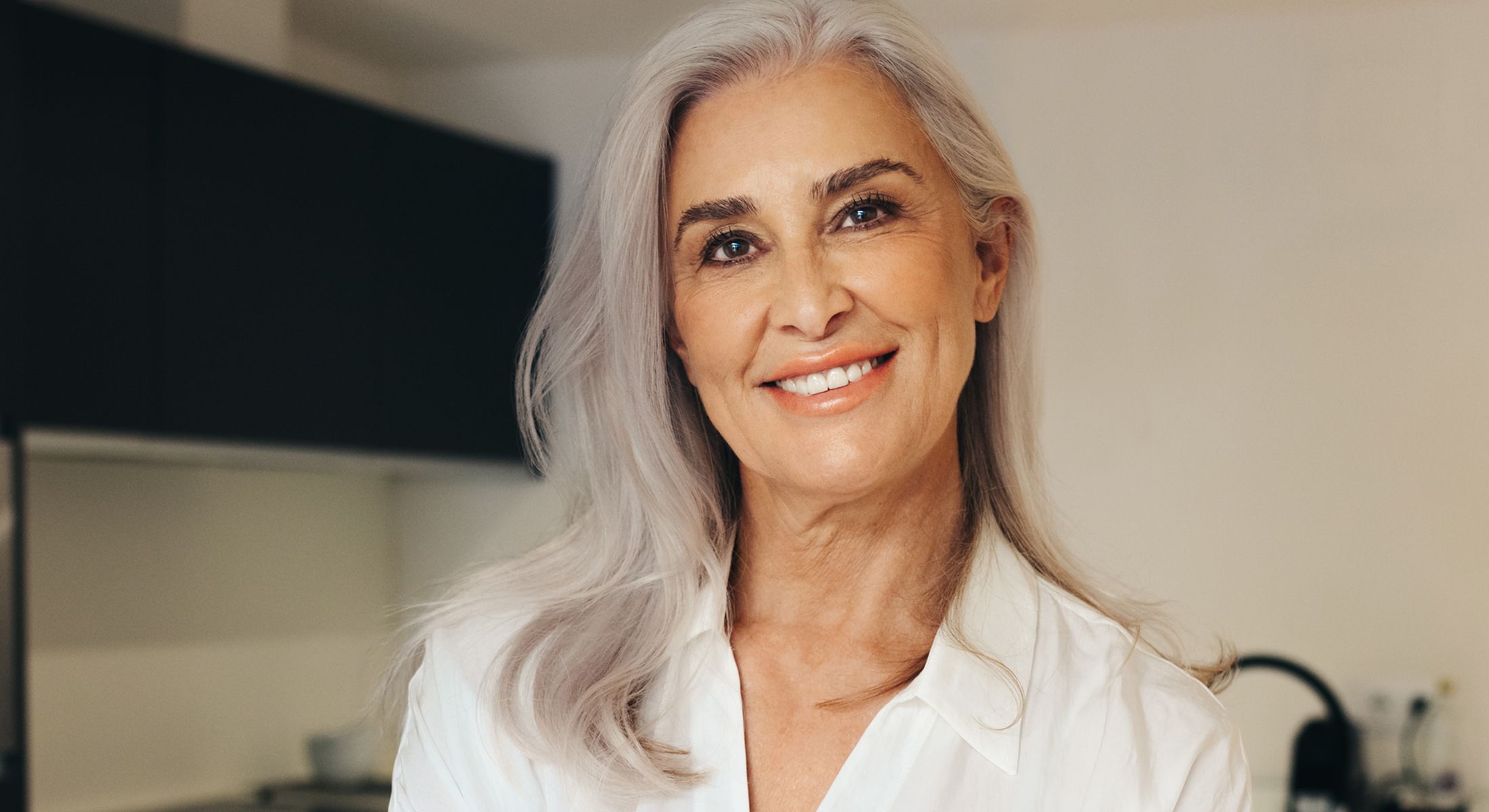
A facelift after 60 is common, and for many women in their 60s and 70s it is the most effective way to treat a softened jawline, jowls and loose skin under the chin. Age alone does not rule you out. Your overall health, your skin and your goals matter more than your birthday. The practice's facelift page puts it plainly: there is no ideal age, and timing depends on the signs of aging you see and the degree of correction you need.
By your 60s, the changes in the lower face and neck usually come from deeper tissues descending, along with skin that has lost elasticity. Fillers and Botox work well for earlier changes. Once laxity is advanced, they add volume or relax muscles but cannot lift tissue back into place or remove excess skin.
A surgical facelift lifts the deeper support layer, repositions tissue and removes extra skin. Many women this age also choose a neck lift at the same time, because the neck often shows as much change as the jawline. For a closer look at how timing plays out across decades, read best age for a facelift.
You are likely a good candidate if:
The facelift page also lists reasons a facelift may not fit: your main concern is skin texture rather than laxity, you want zero downtime, or a smaller procedure such as a mini facelift suits your degree of aging better.
Safety planning carries more weight after 60, and a careful practice treats it as part of the surgery itself. Dr. Lapuerta's consultation covers your medical history and any factor that could affect surgery or recovery. Expect questions about:
Your primary care doctor or a specialist may need to clear you before surgery. That step protects you and should not feel like a hurdle.
Two choices about the operating room matter here. The practice works only with physician anesthesiologists, never nurse anesthetists or anesthesia assistants. Our article on physician anesthesiologists in plastic surgery explains why that distinction matters. Dr. Lapuerta also owns and operates a QuadA accredited surgical facility in Pearland, and he holds hospital privileges in the Memorial Hermann network, HCA hospitals including The Woman's Hospital of Texas, and St. Luke's Houston Medical Center. The practice's facelift page lists both outpatient and inpatient options, so your surgeon can match the setting to your health.
Recovery follows the same stages at any age, though some women in their 60s and 70s find that swelling and bruising take a little longer to settle. The facelift page describes the early phase as swelling, bruising, tightness and a face that feels unfamiliar for a while. Most patients manage discomfort with prescribed pain medication in the first days.
A typical sequence for many patients:
Plan for help at home for the first several days, especially if you live alone. Your surgeon's instructions come first. Our facelift recovery timeline walks through each week in more detail.
No single technique fits every face after 60. The practice's facelift page describes several approaches, including the SMAS facelift, which addresses the support layer beneath the skin, and the deep plane facelift, which releases and repositions deeper tissues as a unit. The right choice depends on your anatomy, how much support the deeper tissues need, and whether you want your neck treated at the same time.
Incisions usually sit around the ears and within the hairline, placed to hide well once they heal. You will still age after a facelift. The procedure improves current laxity, and the aging process continues from that new starting point.
You will get more out of your visit if you arrive with:
Dr. Lapuerta also has more than 3,000 before and after photos you can review, including faces that started where yours is today.
Dr. Lapuerta is a triple board-certified plastic surgeon and Fellow of the American College of Surgeons with more than 30 years in elective cosmetic surgery. He tells patients that a surgeon's experience with the specific procedure is the strongest predictor of a result they will be happy with.
Call (713) 489-0169 or request a consultation online. Consultations are available in English and Spanish.
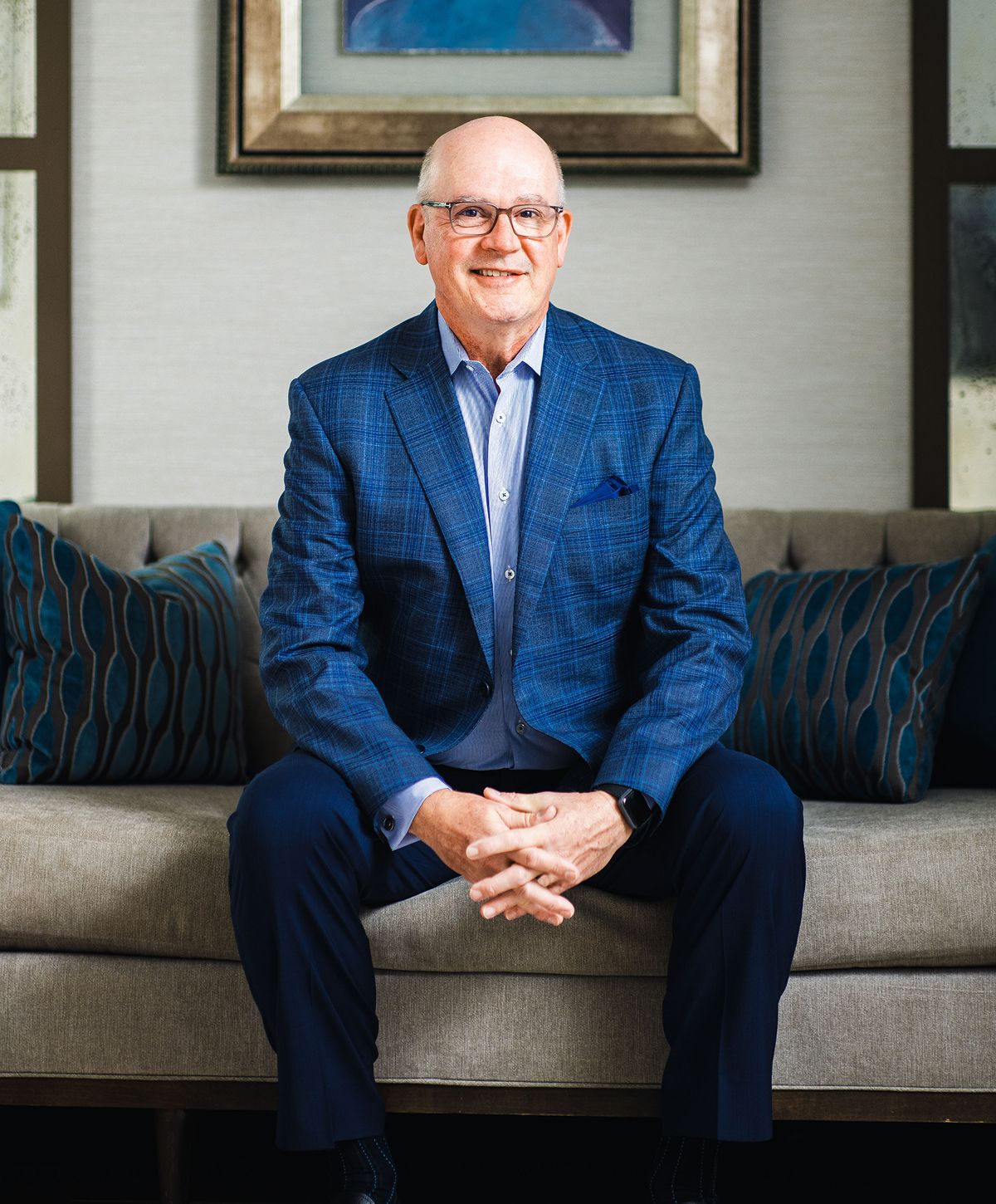
Dr. Leo Lapuerta is a triple-board-certified plastic surgeon with over three decades of experience and more than 30,000 procedures performed. He is recognized as a pillar of the Houston aesthetic community. Dr. Lapuerta distinguishes his practice through rigorous safety protocols, including the exclusive use of Medical Doctors (MDs) for anesthesia and an accredited onsite surgical facility.
Beyond his technical precision, Dr. Lapuerta is defined by his concierge philosophy. He personally handles all consultations and injectables, and provides every surgical patient with his personal cell phone number for direct access during recovery. He serves patients from Houston, Katy, and Pearland, and is fluent in both English and Spanish.