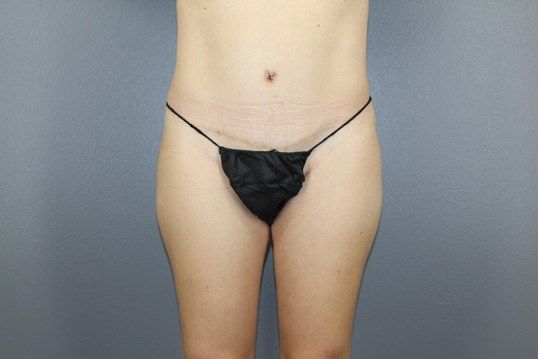
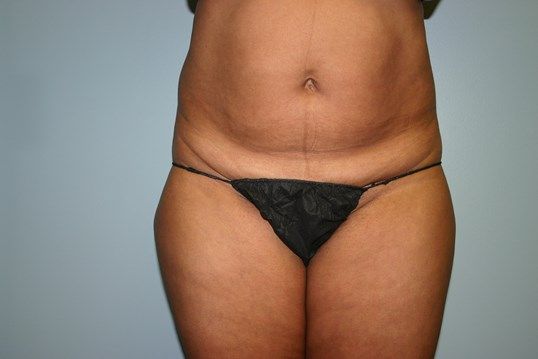
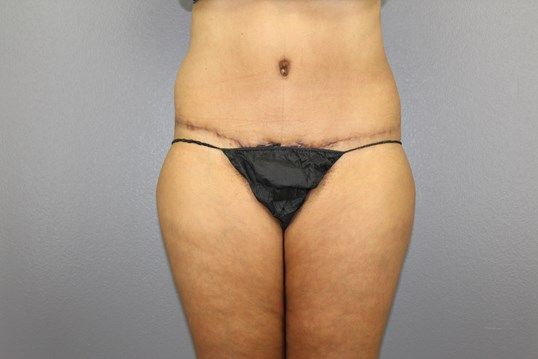
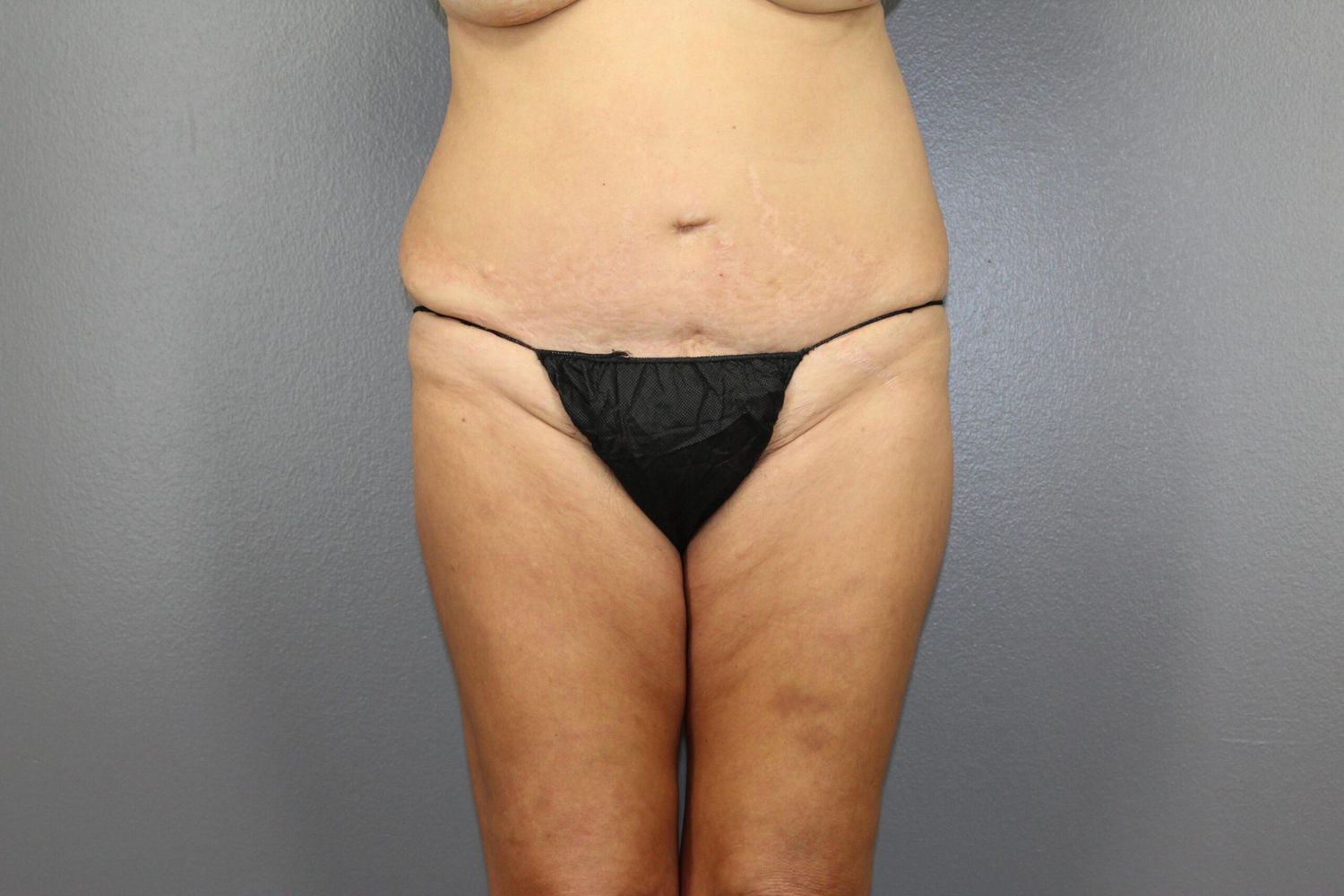
Contact
  Gallery
  Call
Call 
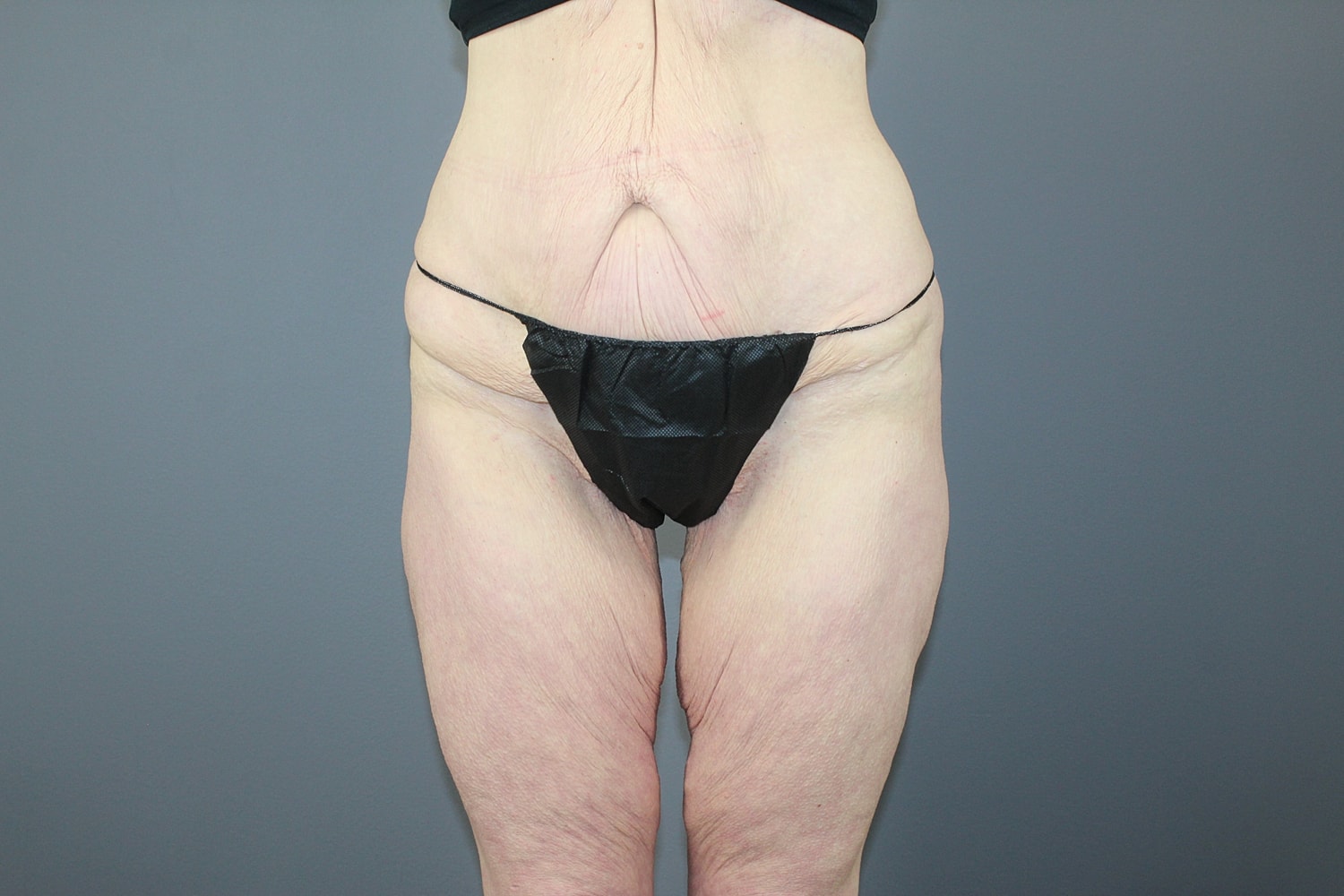
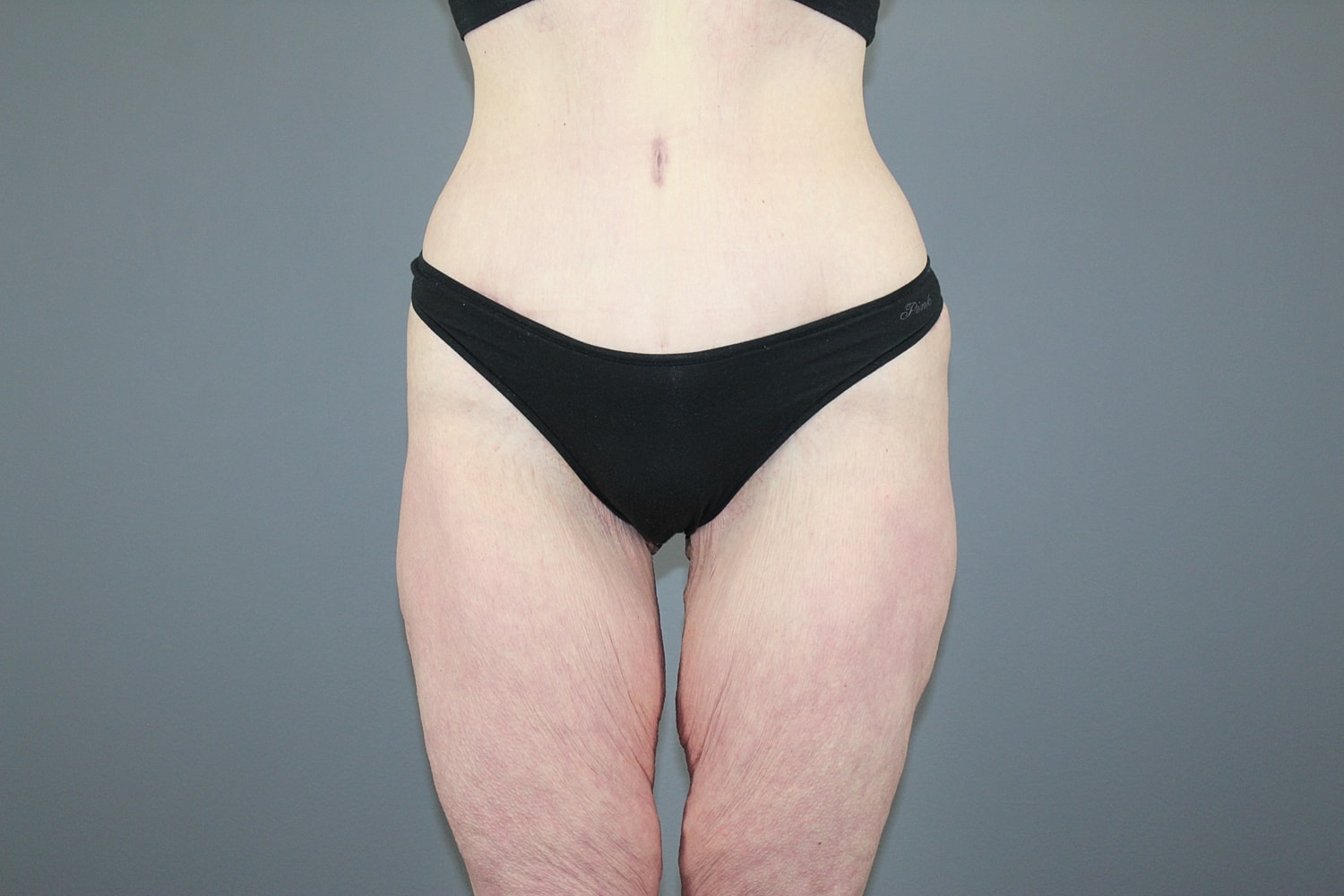
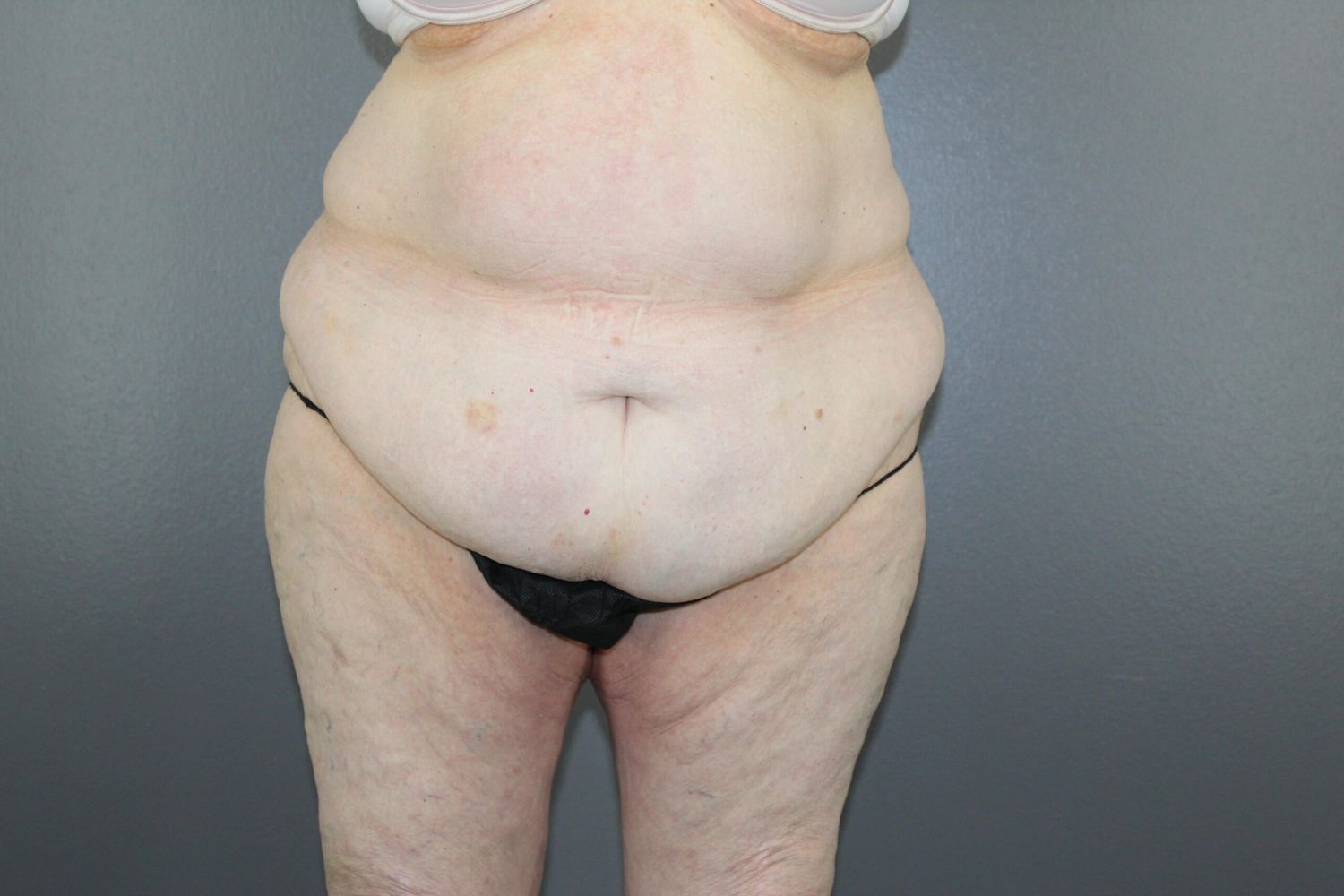
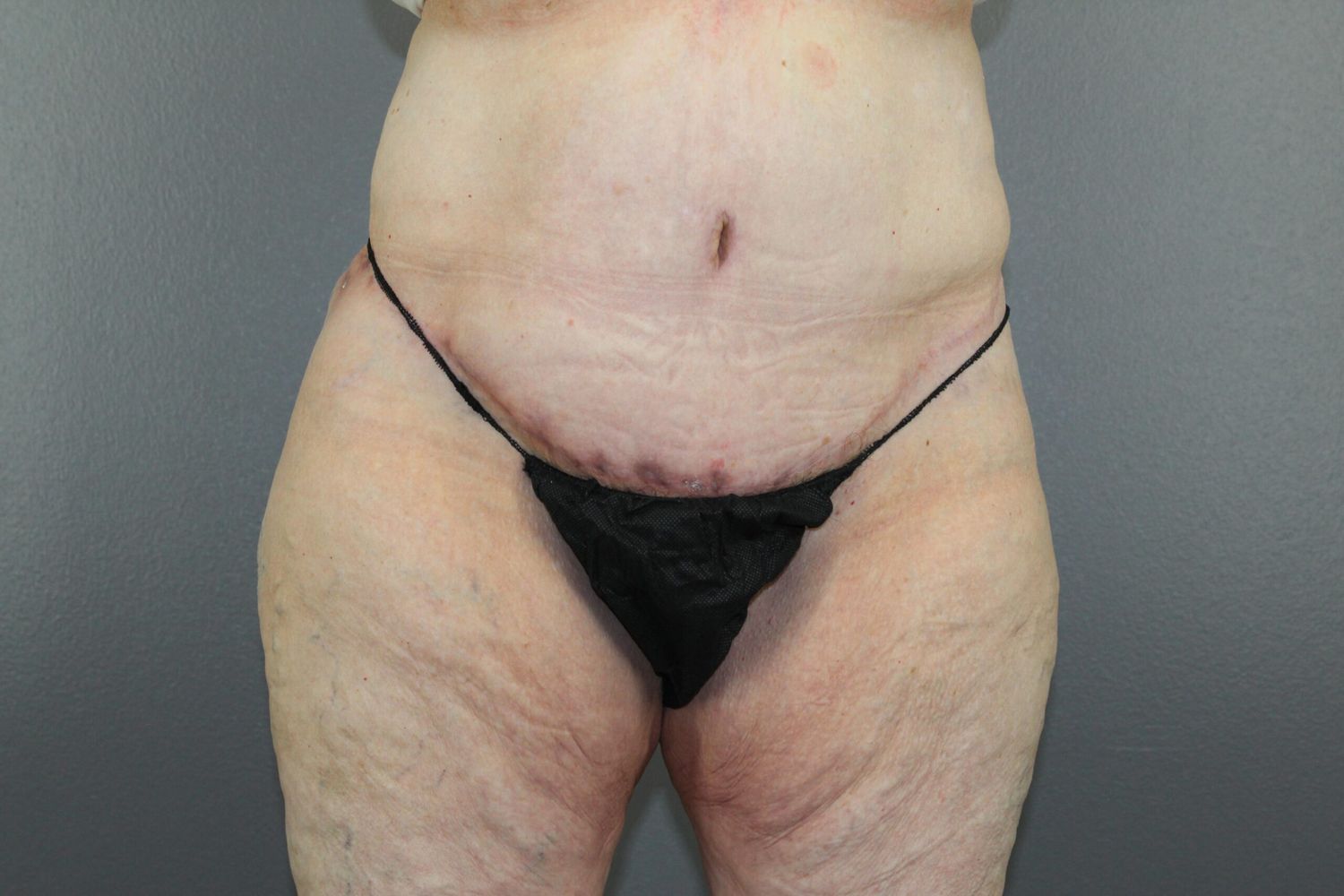
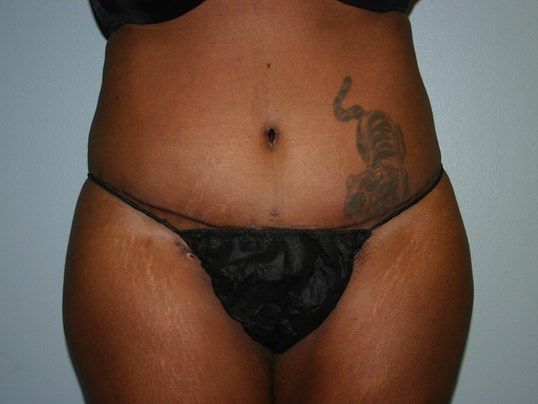
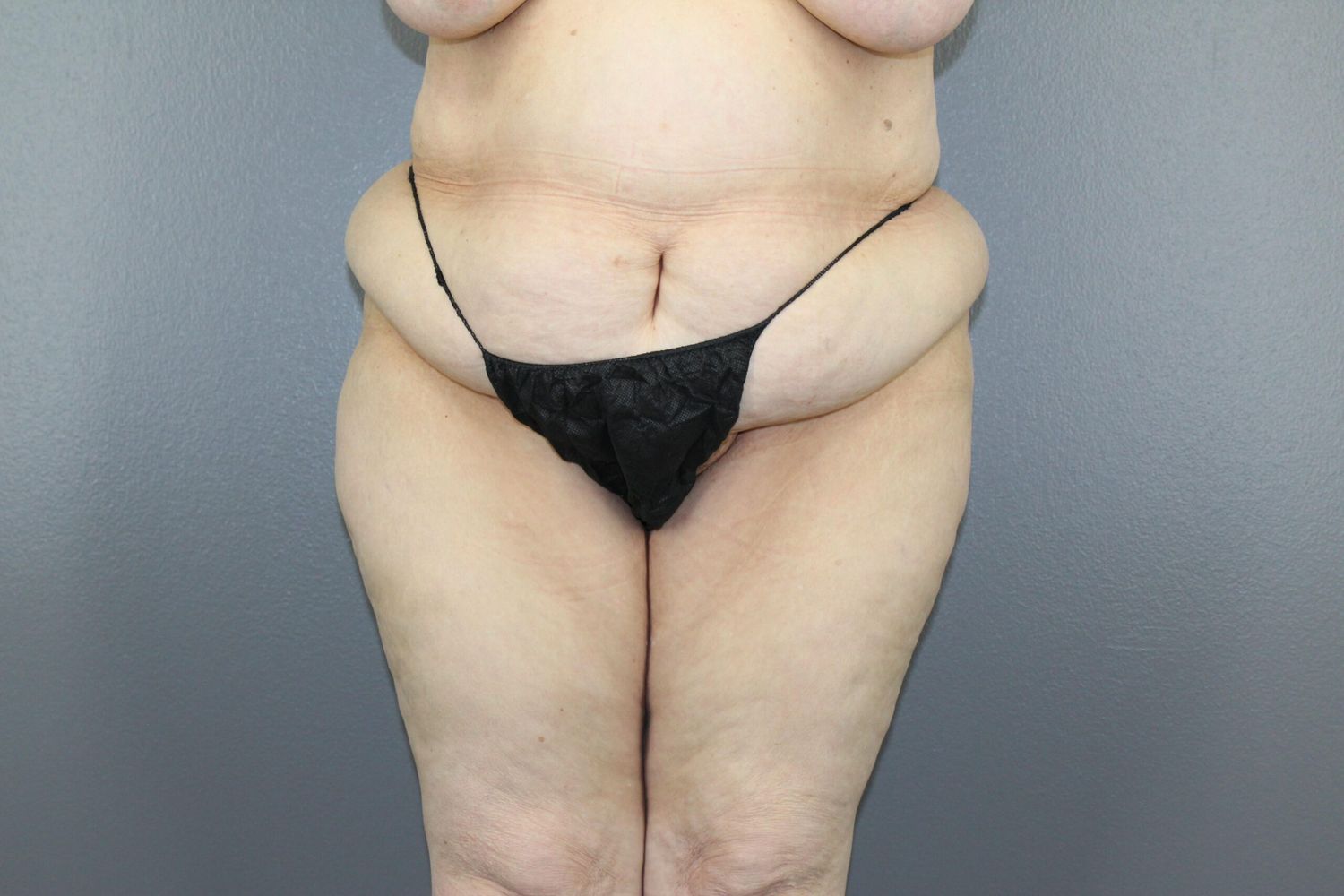
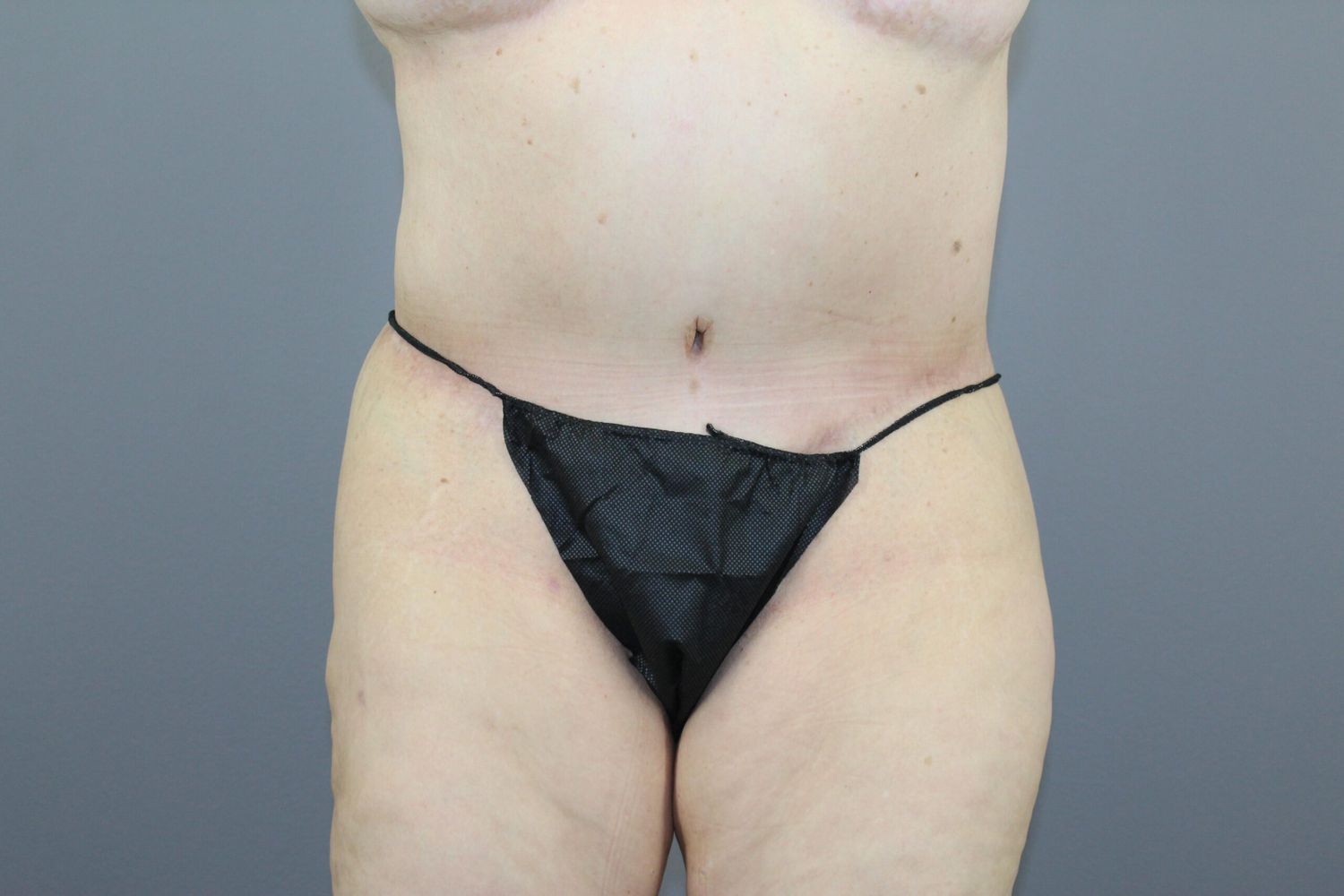
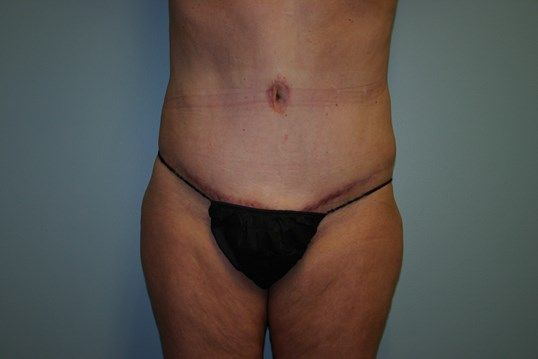
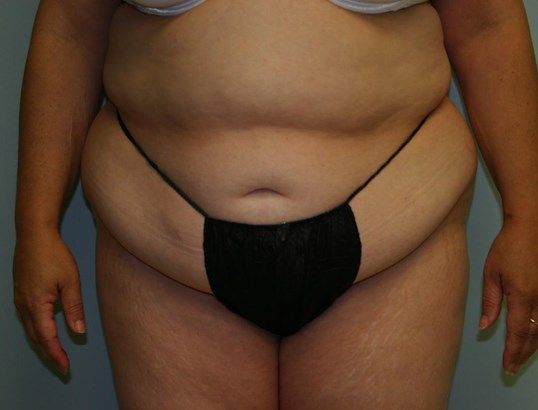
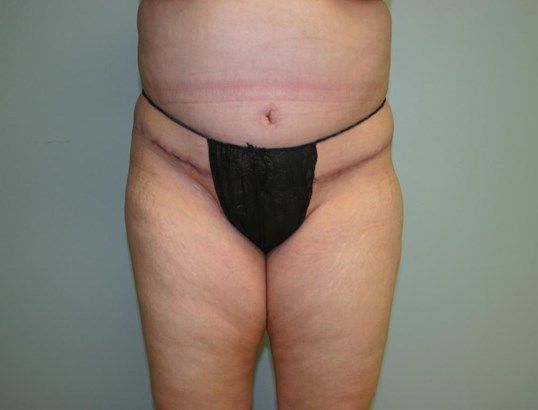
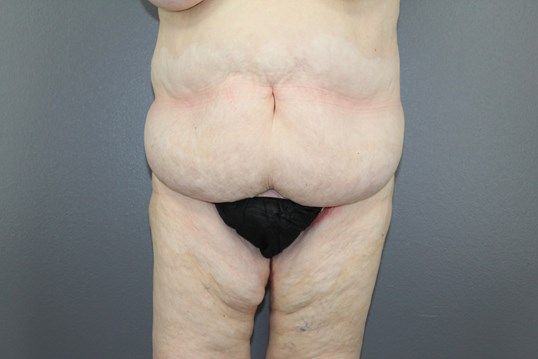
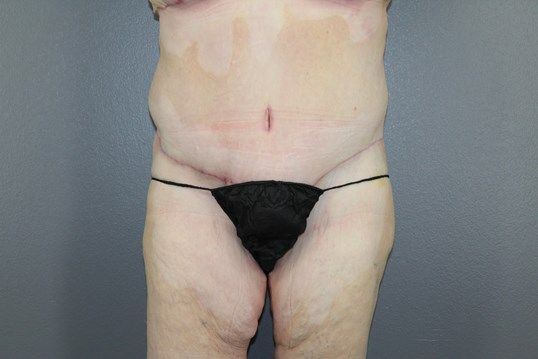
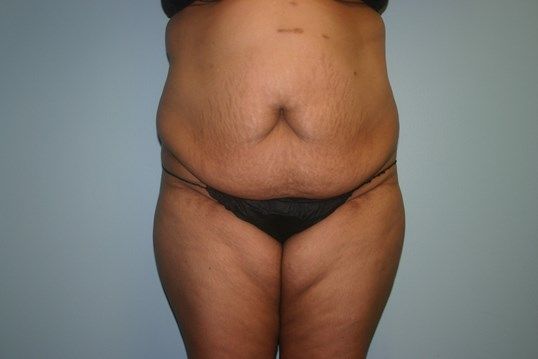
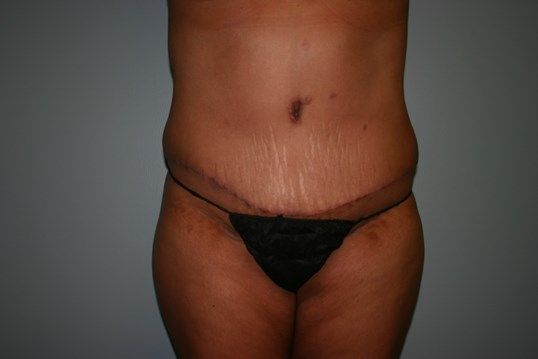
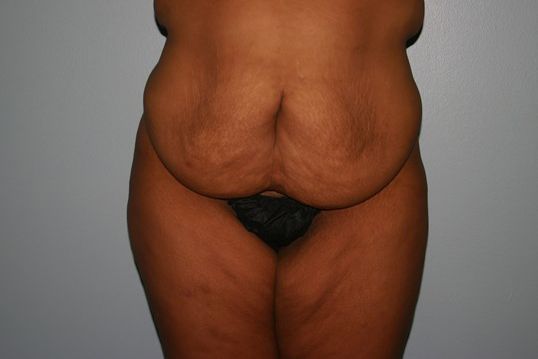
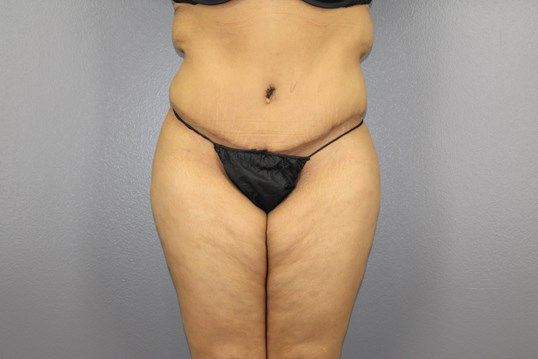
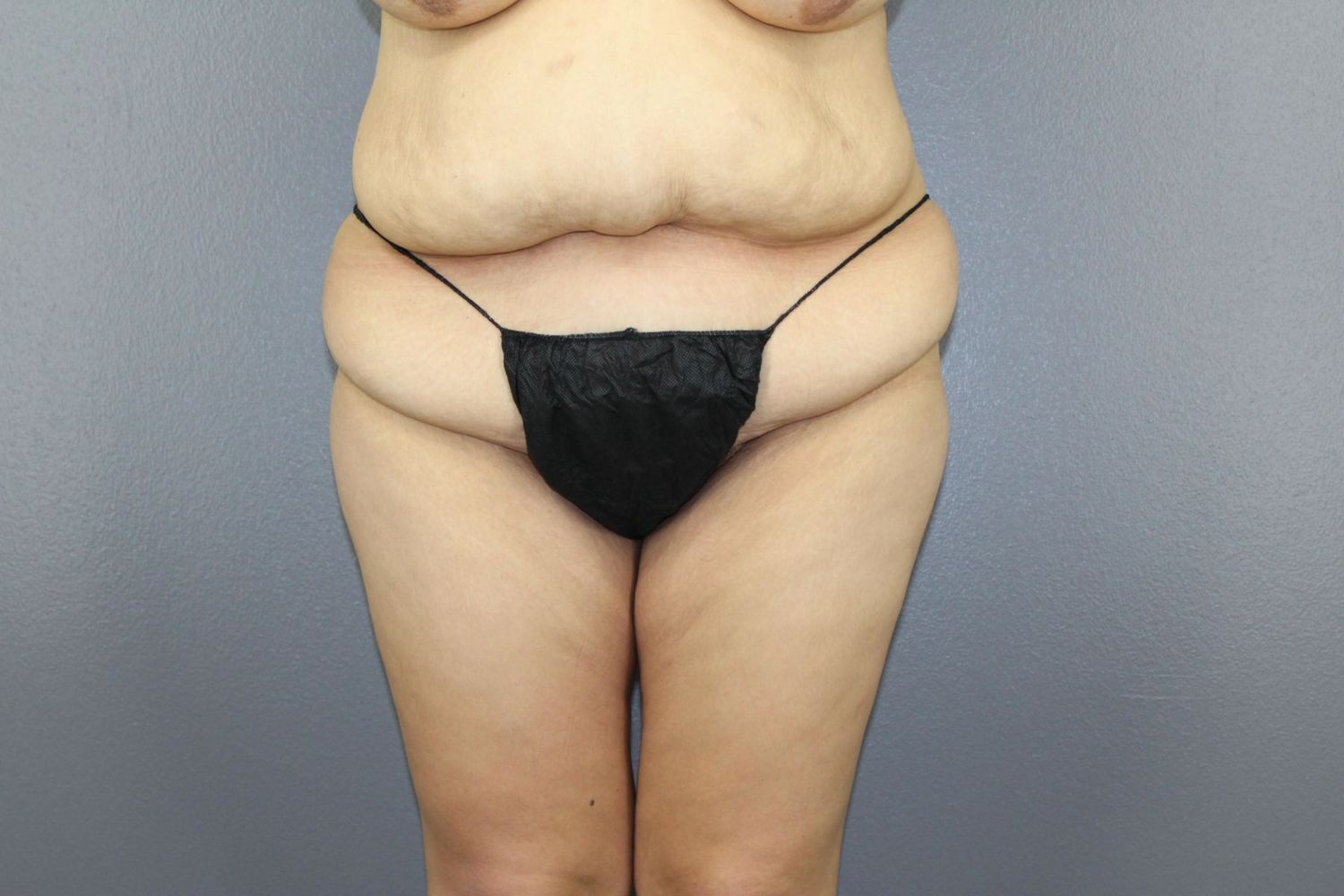
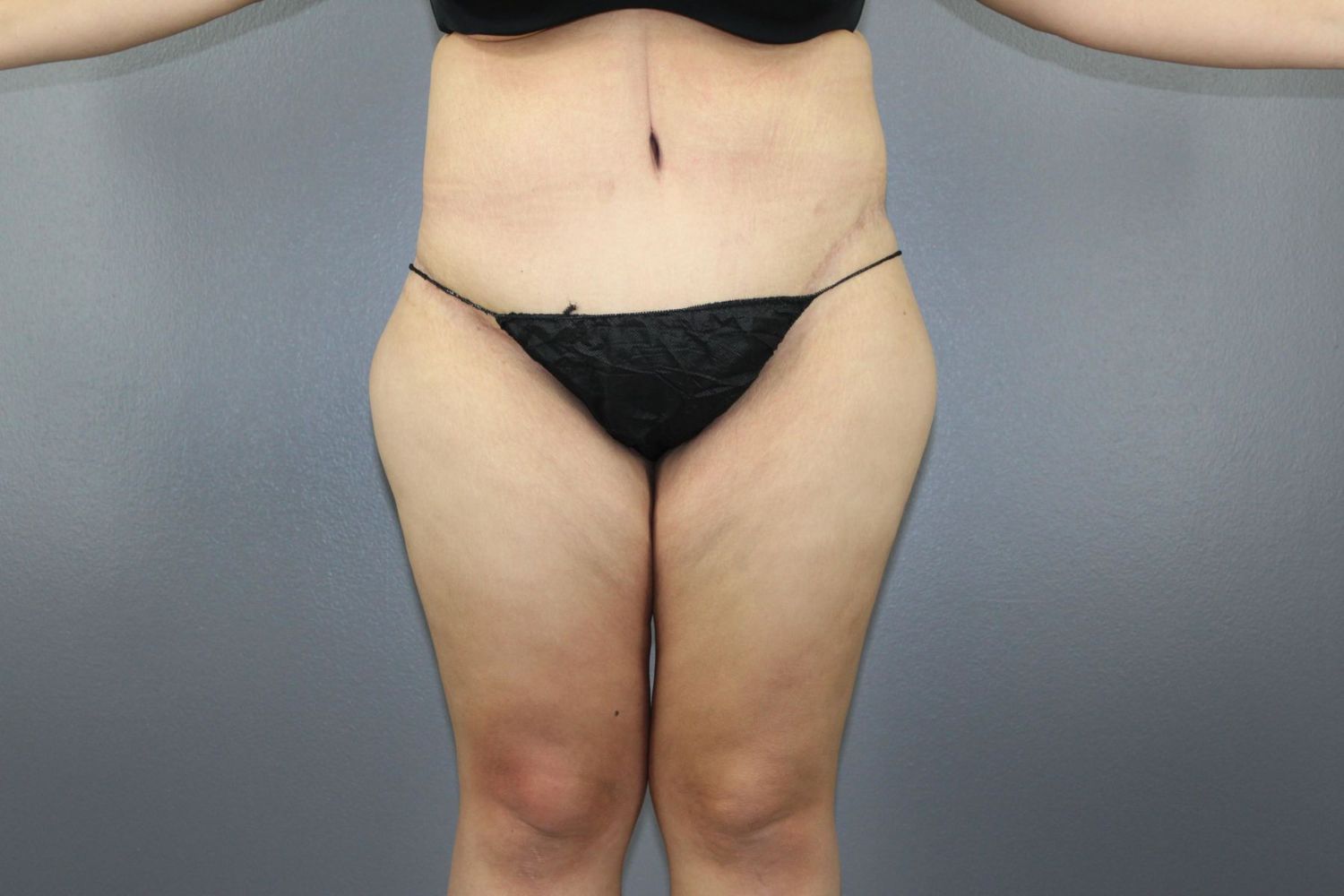
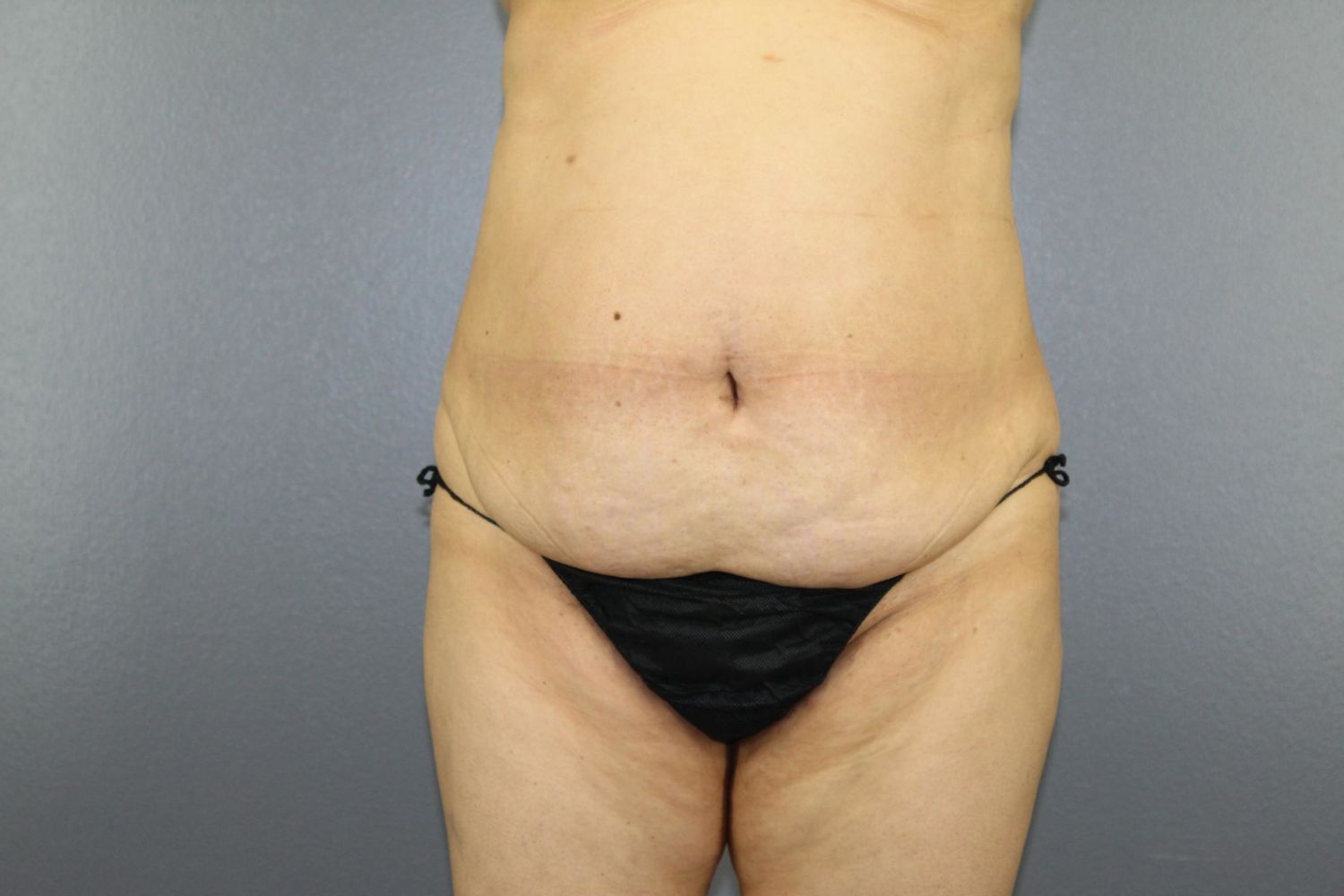
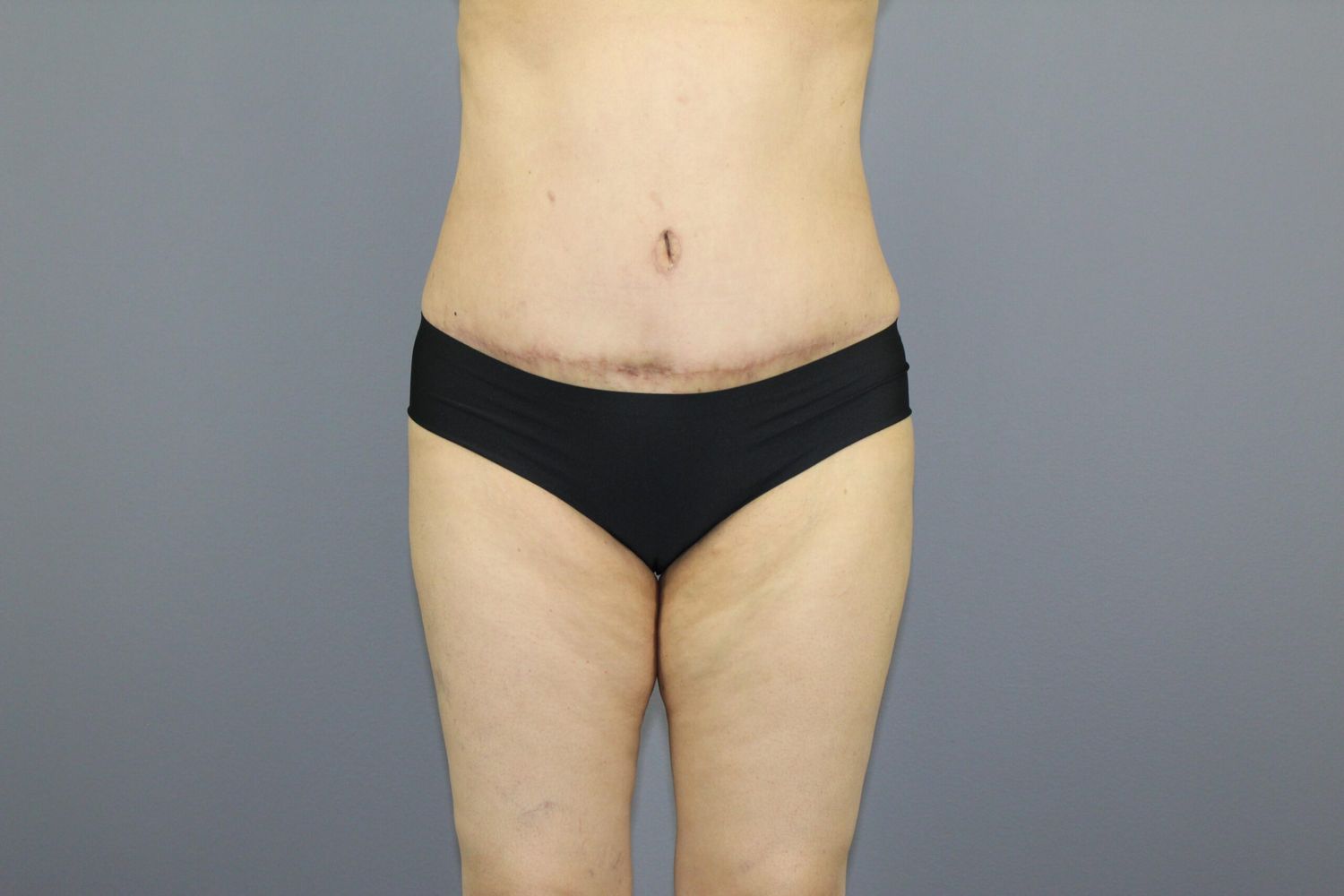
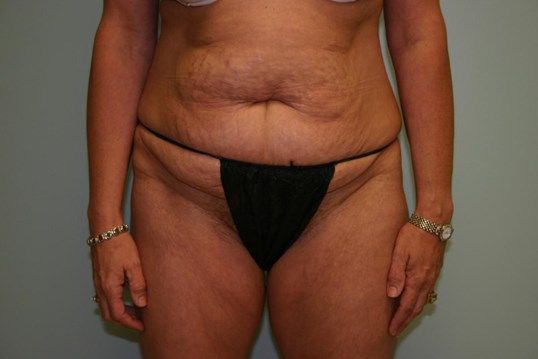
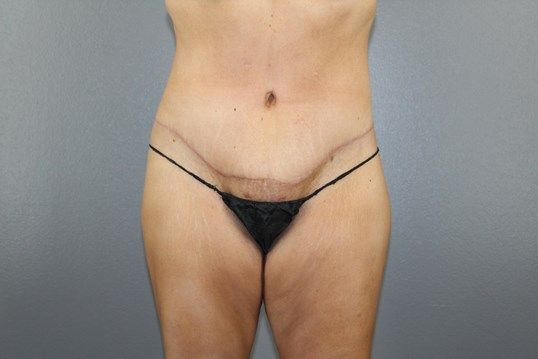
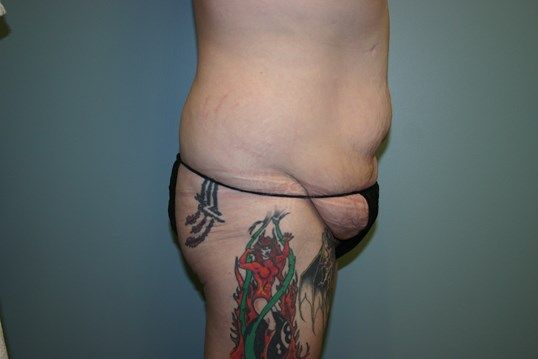
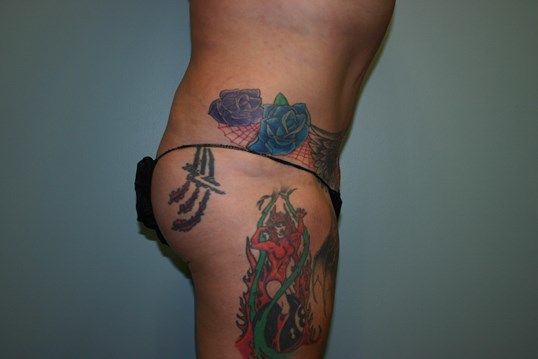
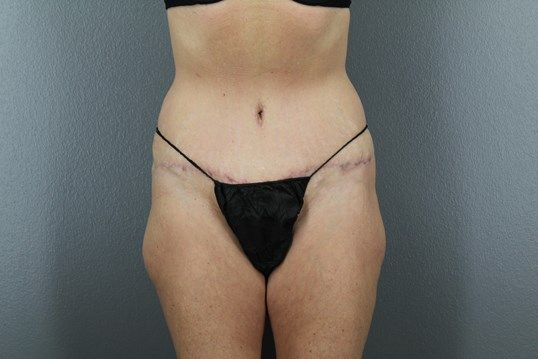
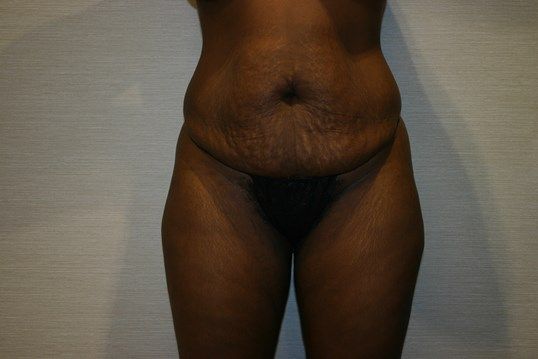
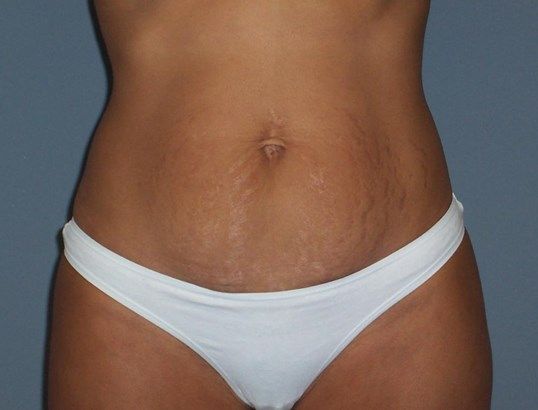
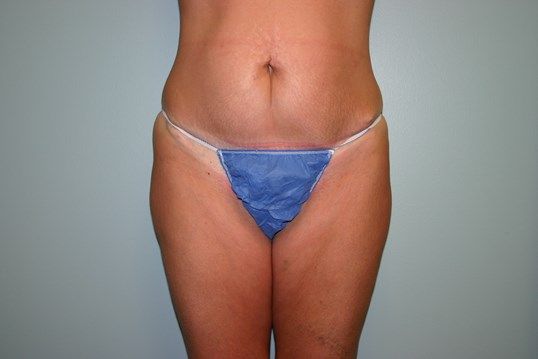
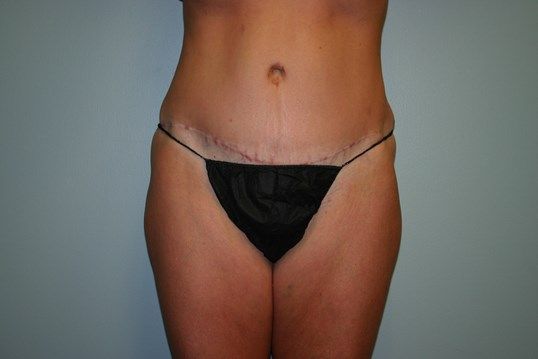
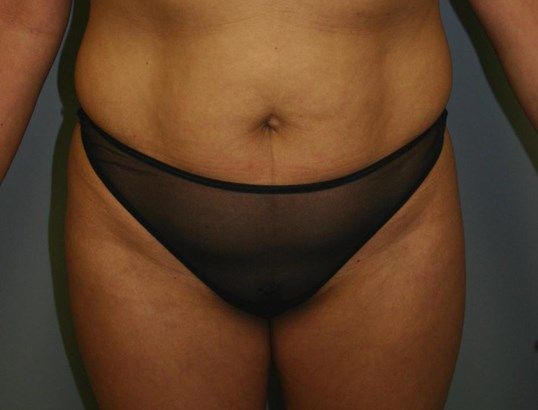
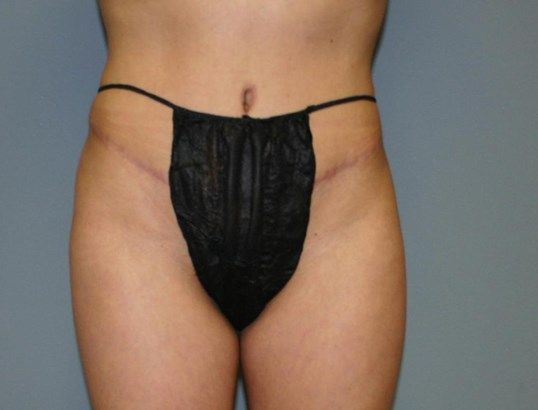
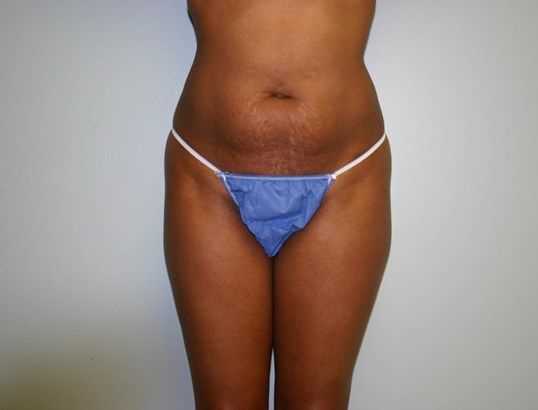
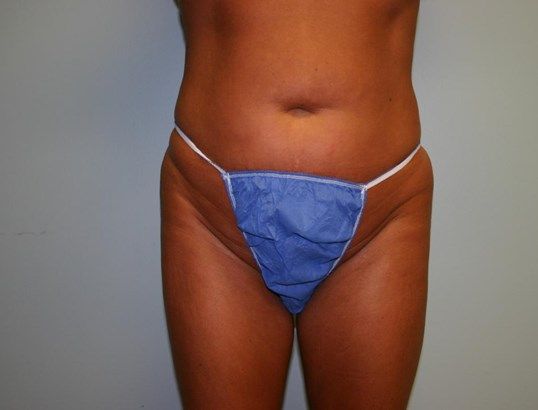
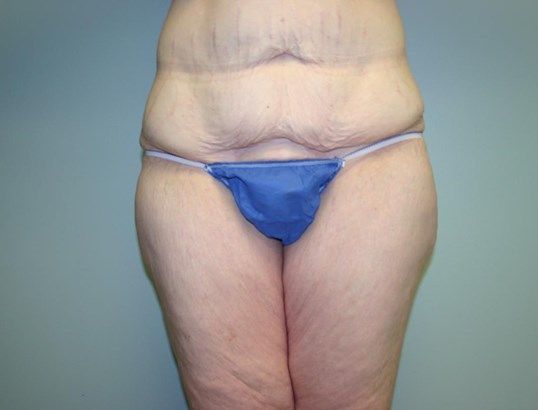
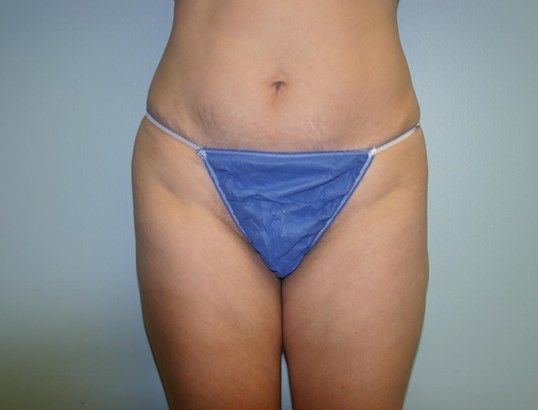
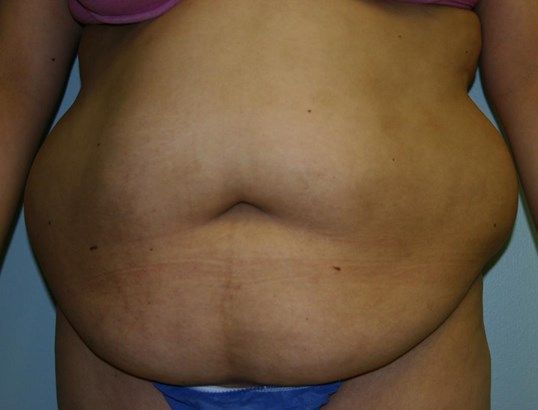
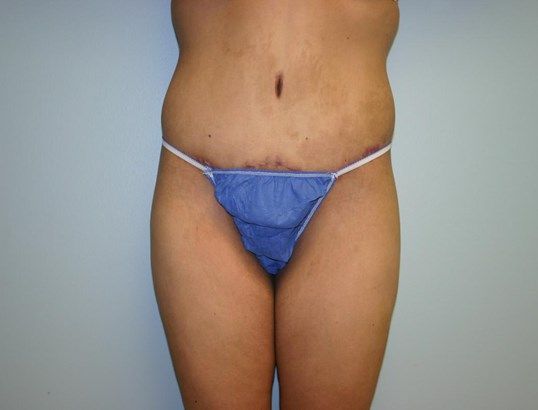
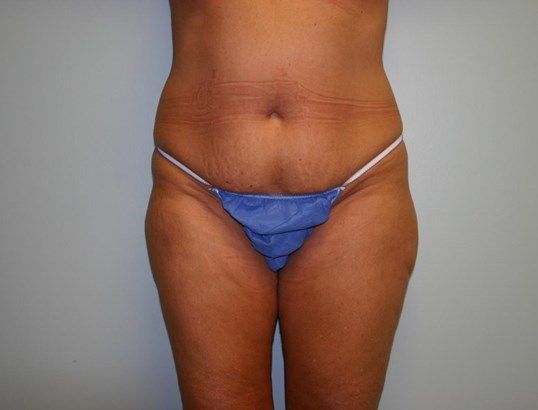
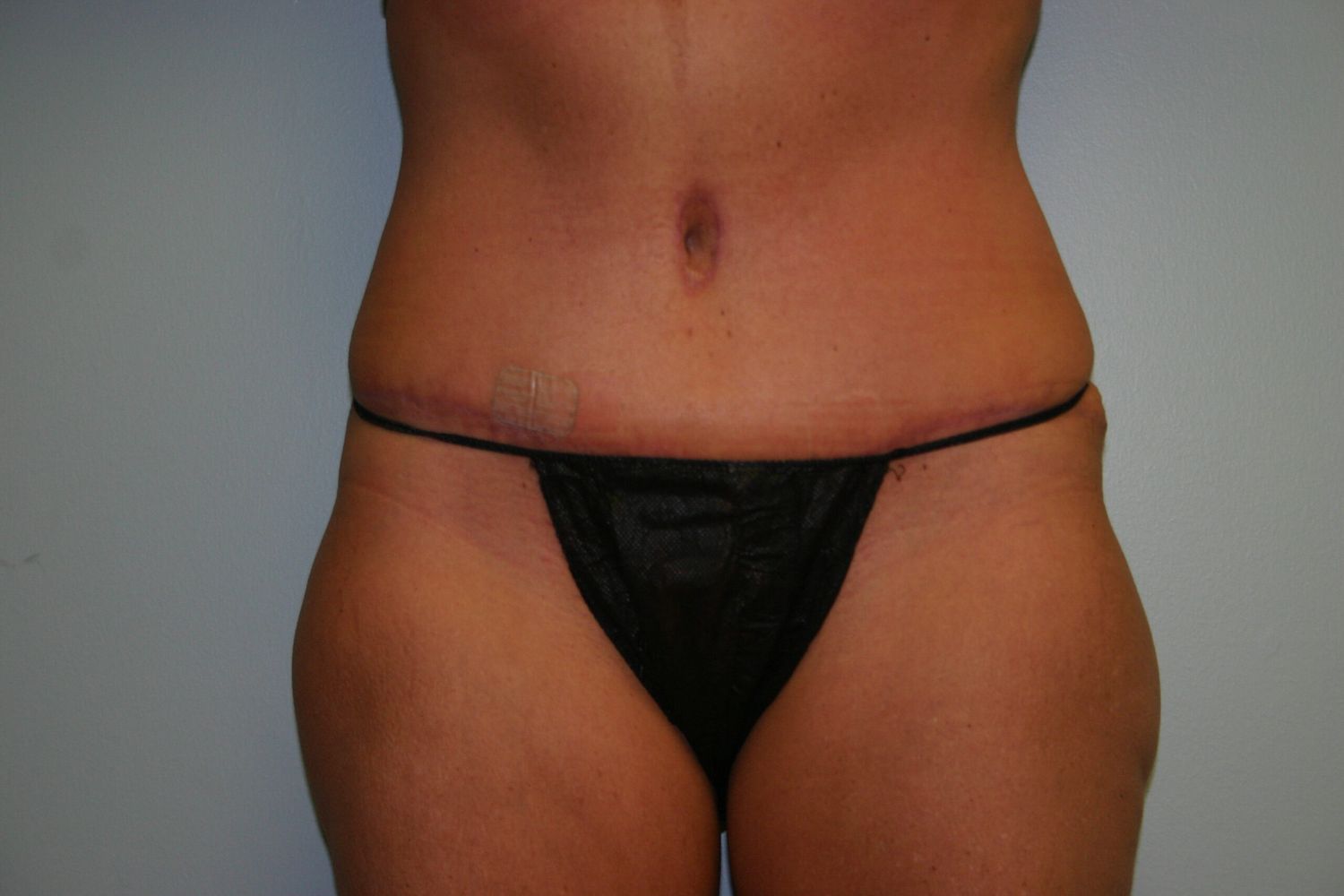
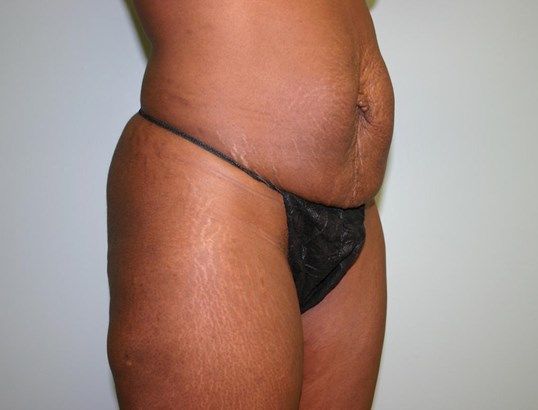
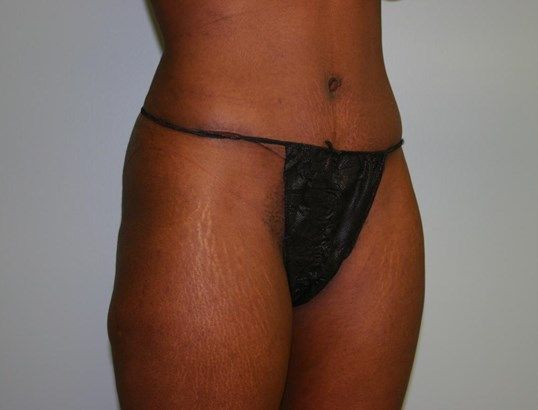
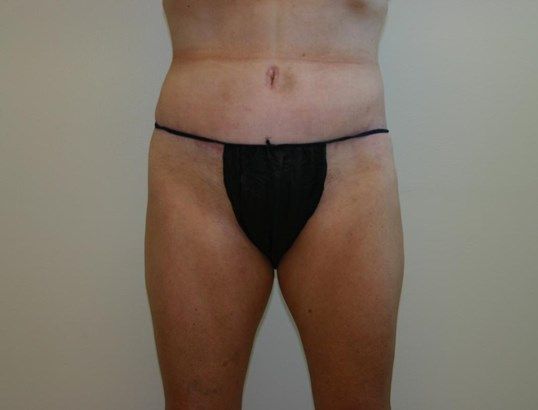
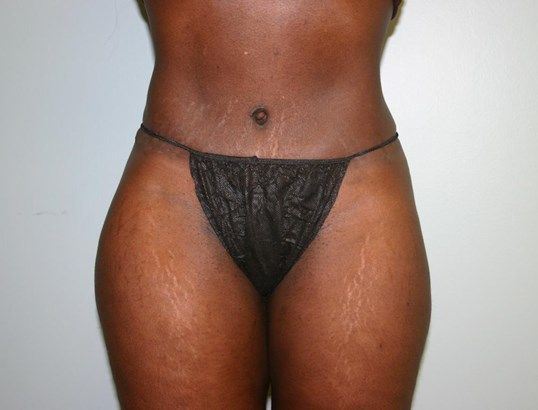
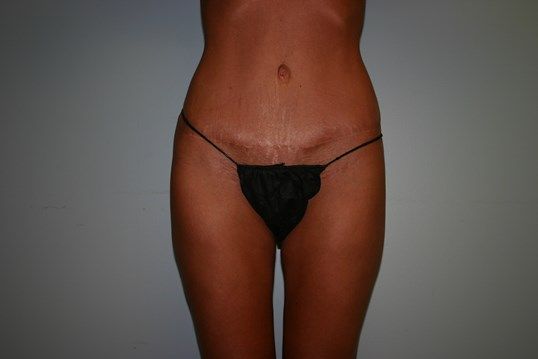
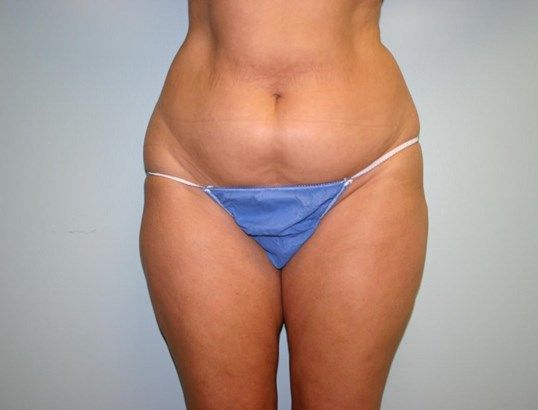
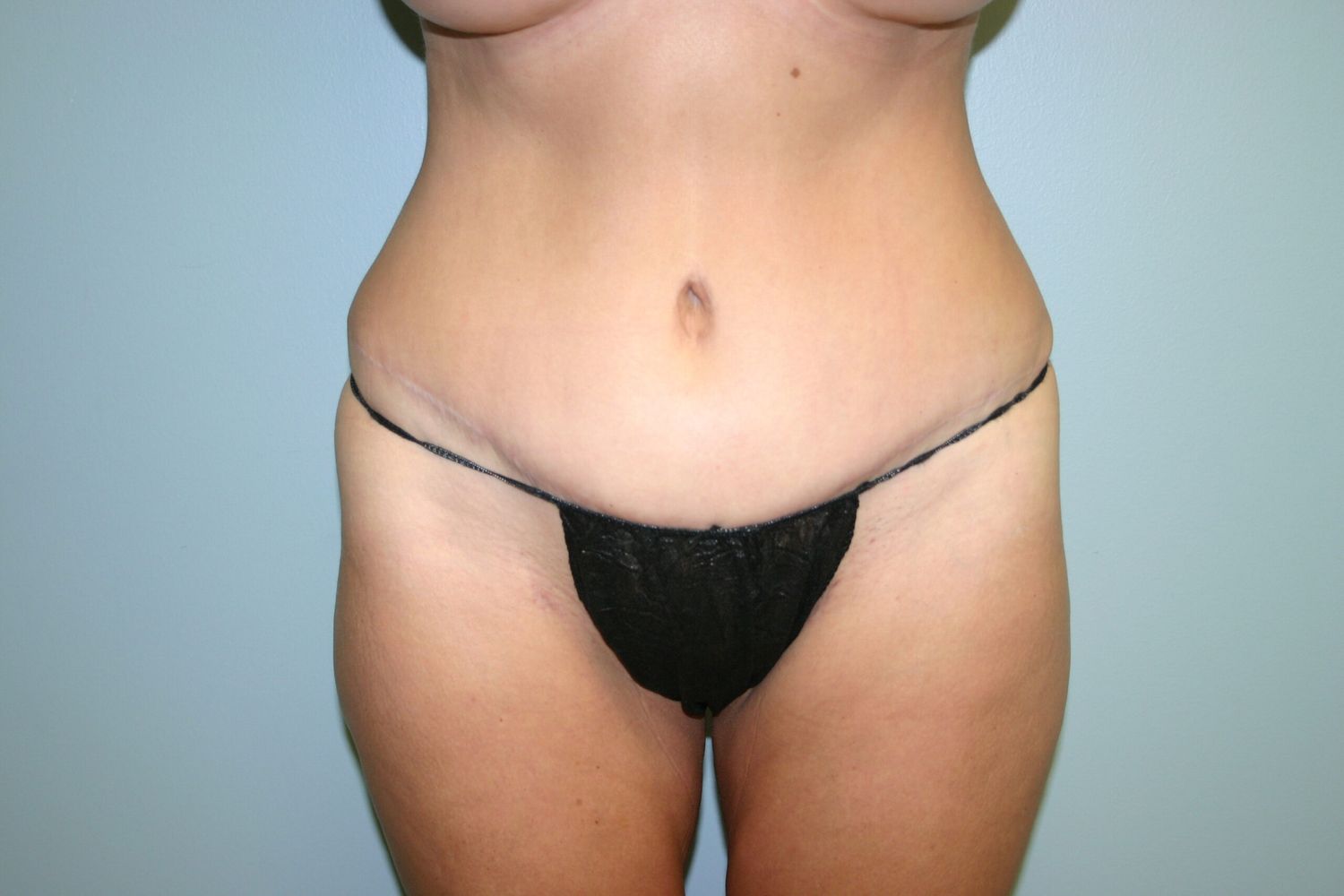
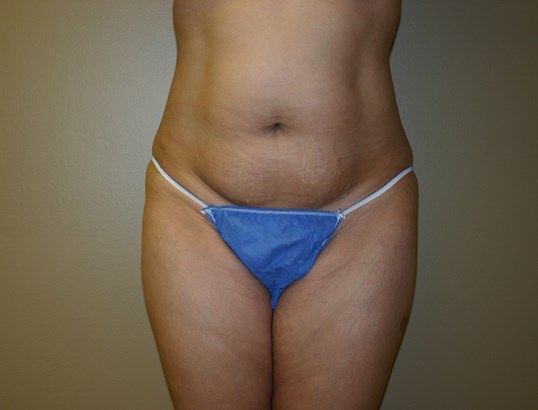
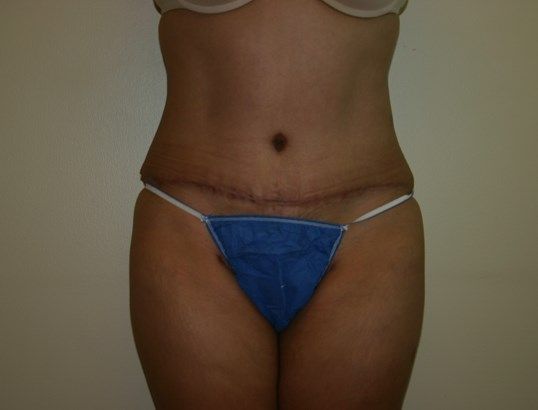
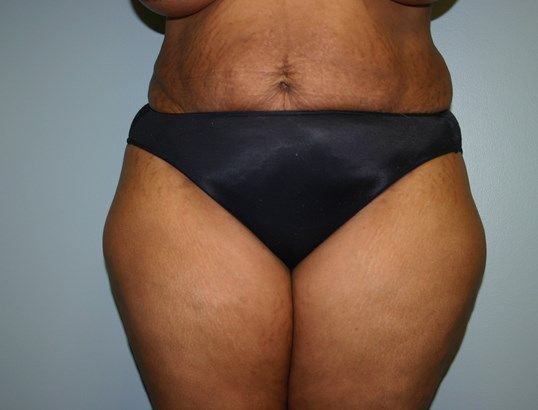
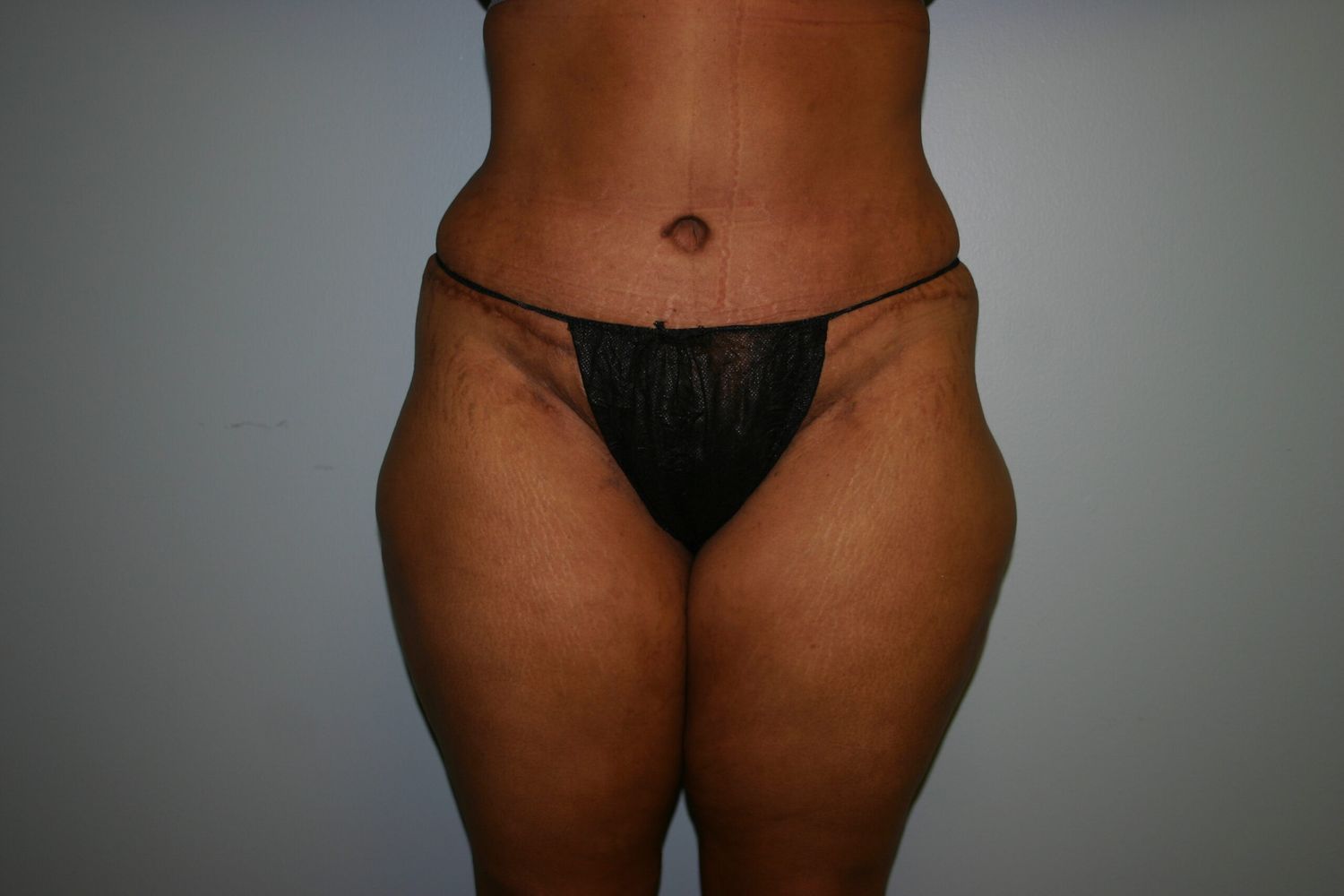
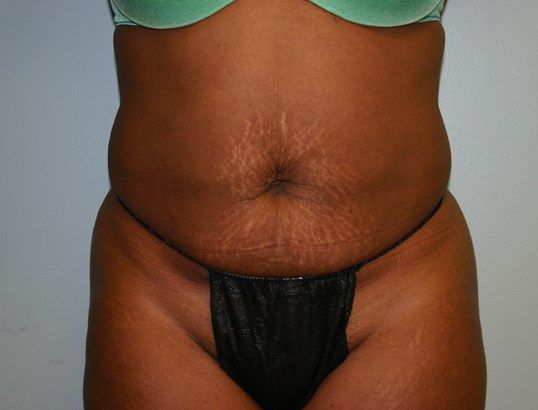
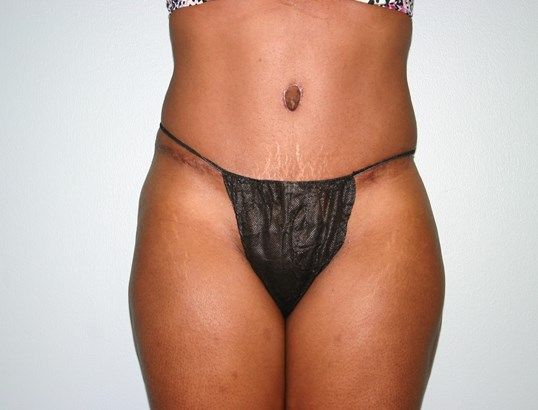
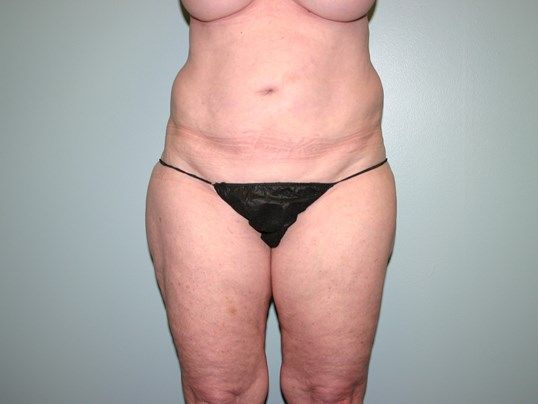
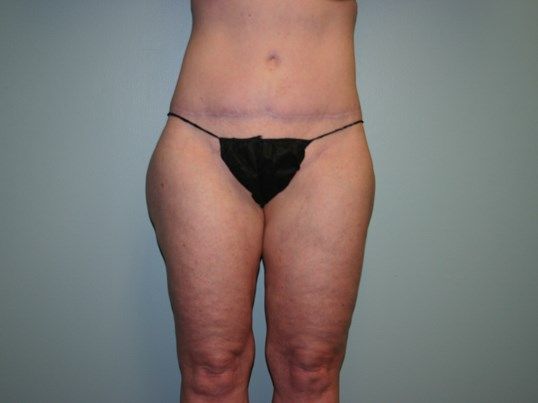
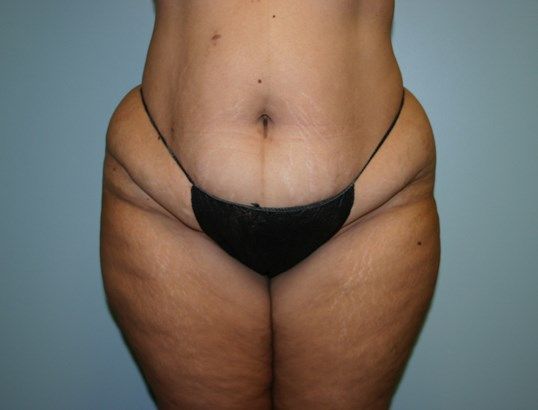
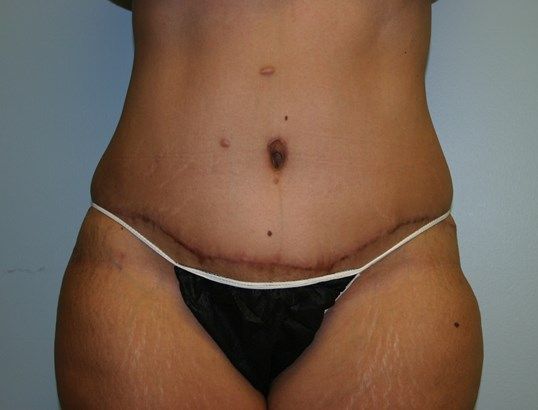
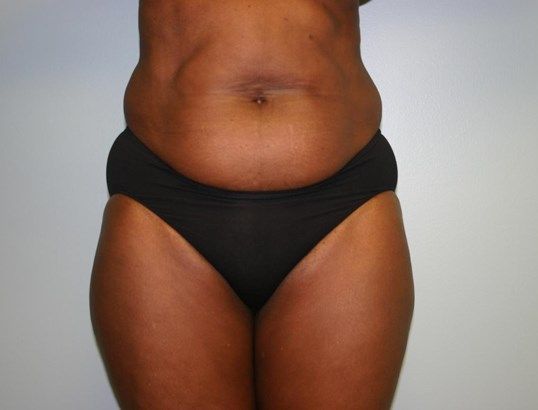
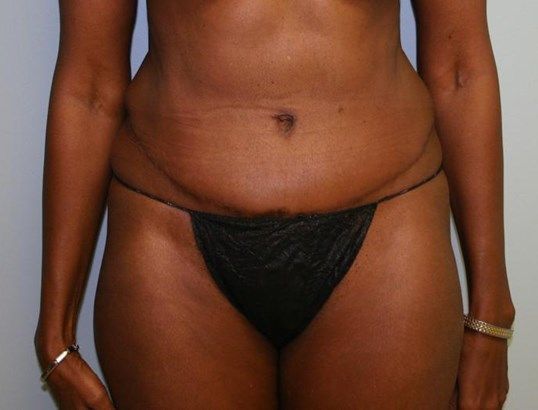
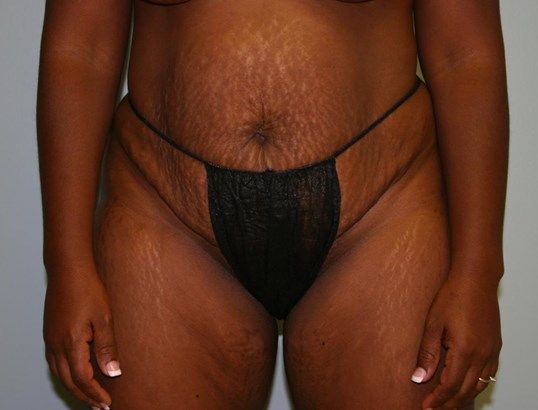
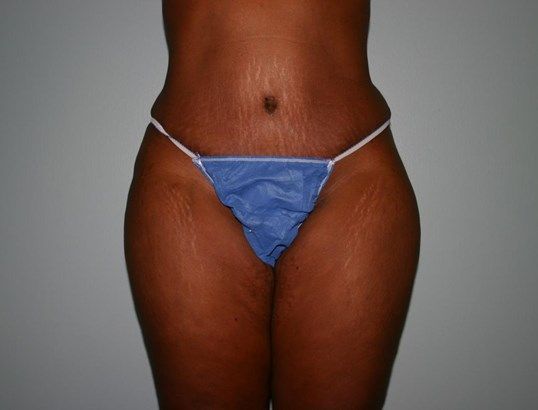
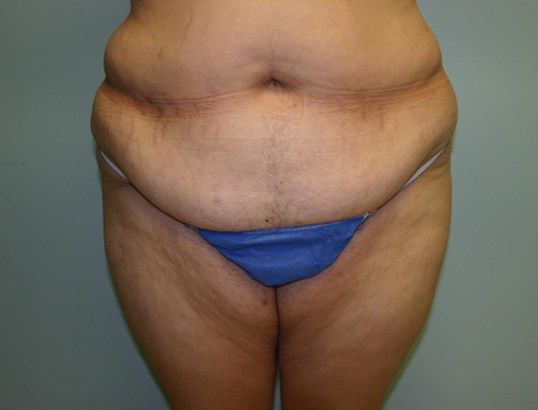
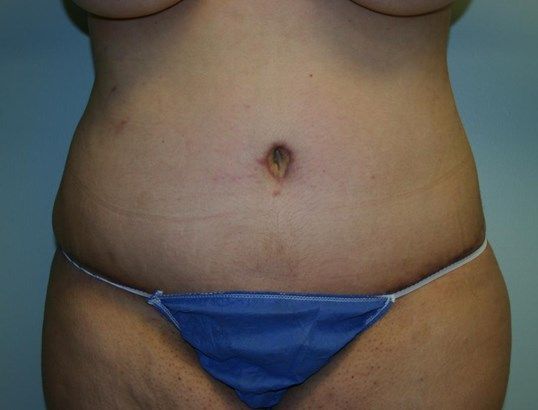
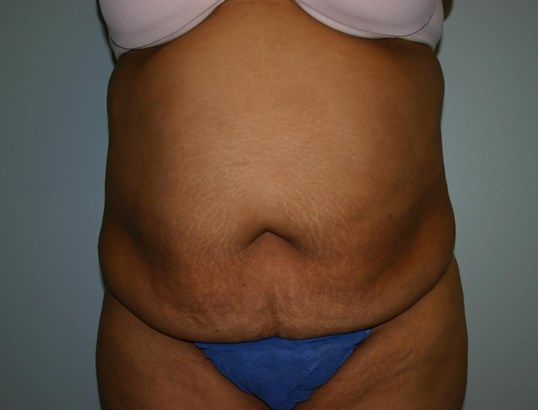
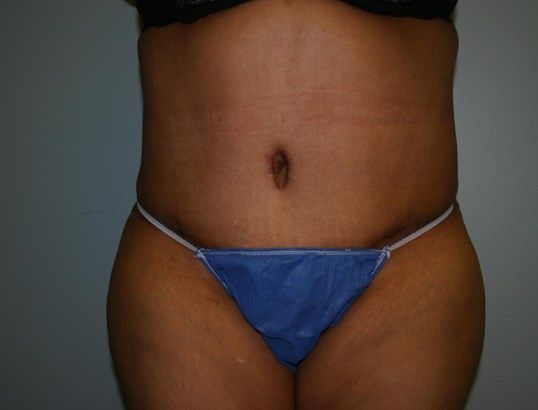
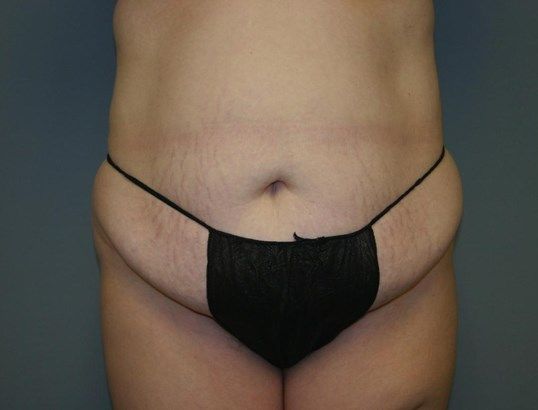
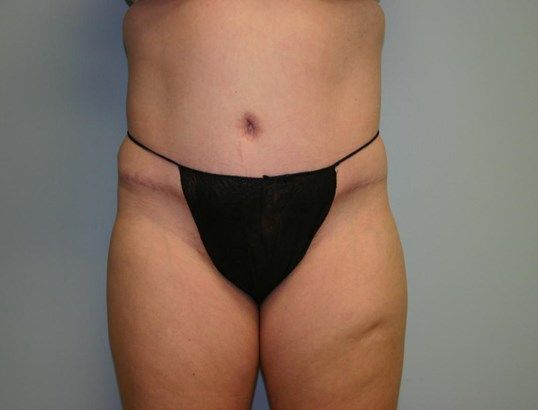
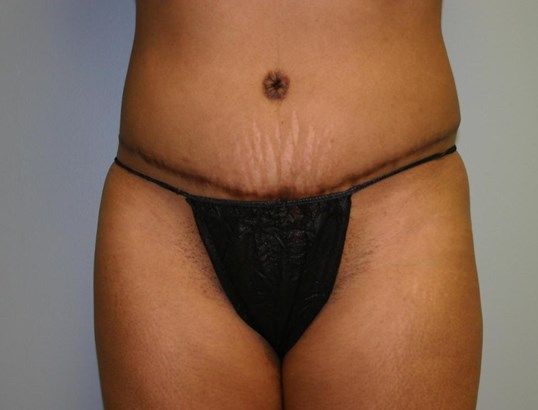
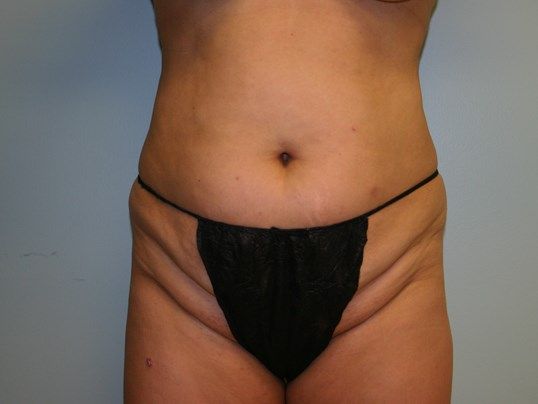
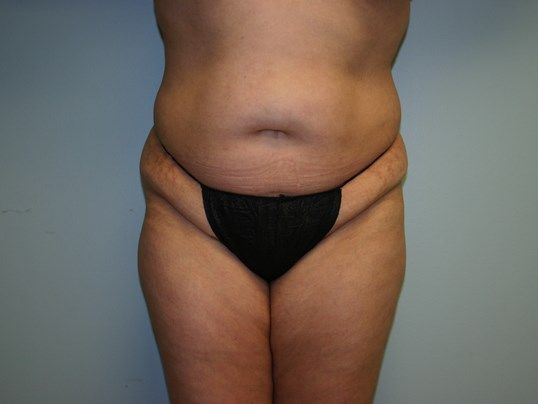
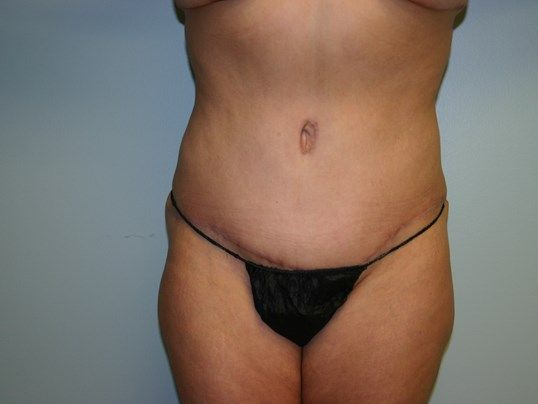
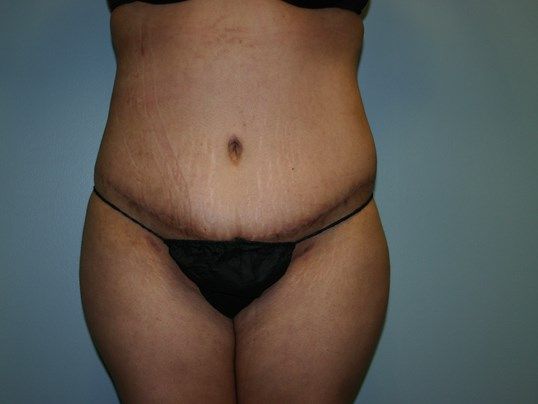
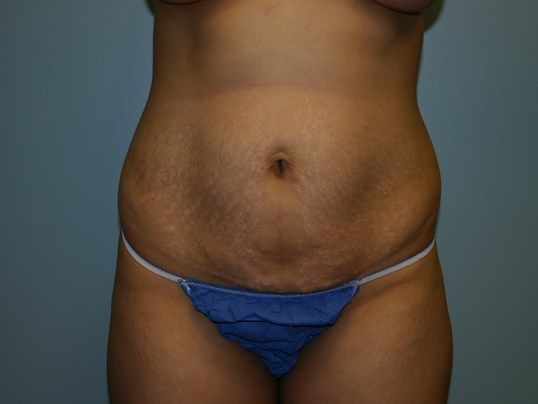
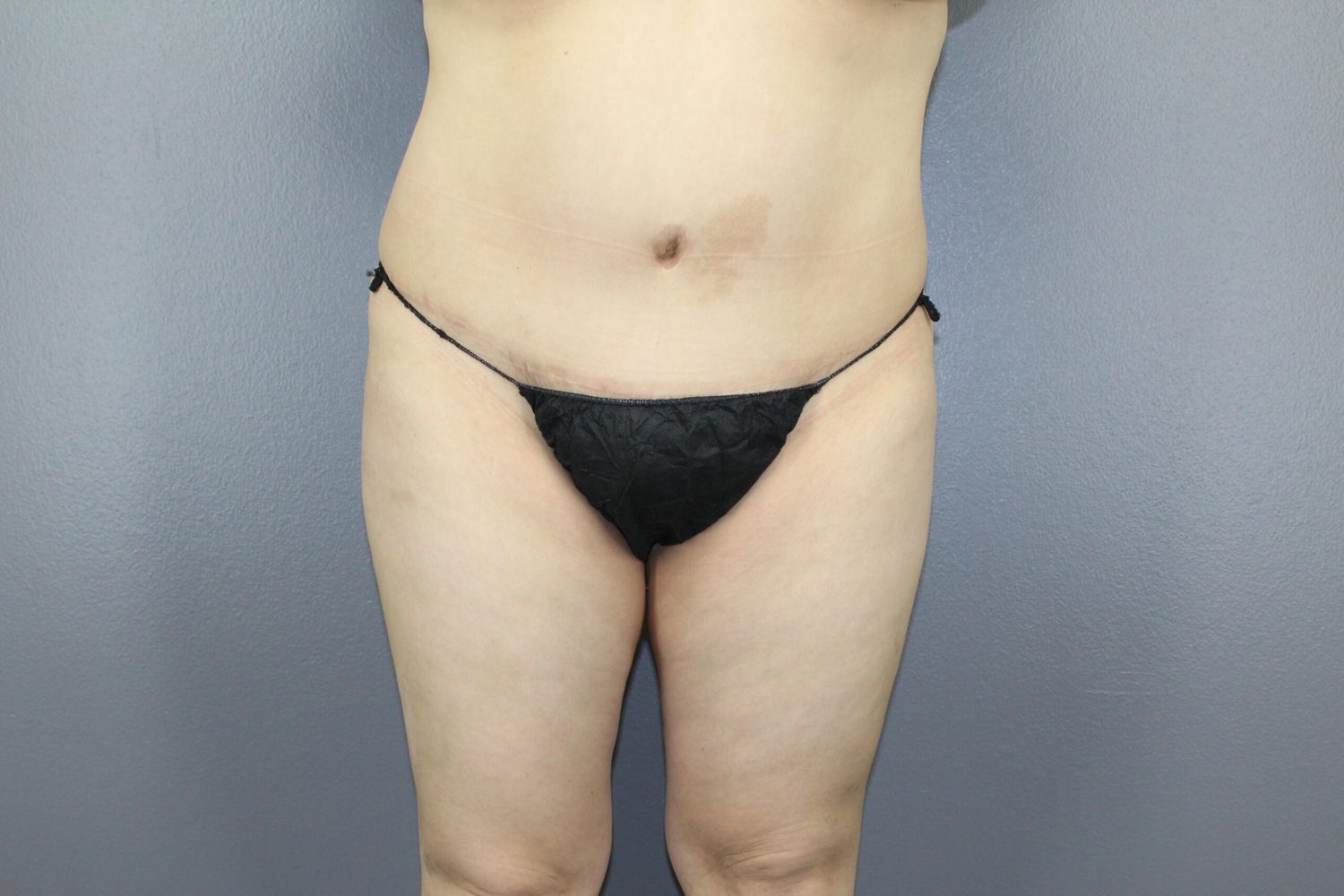
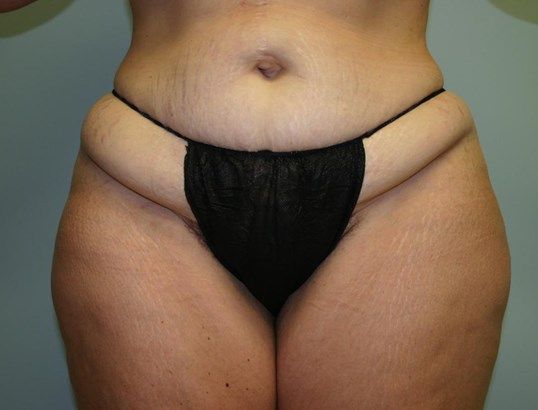
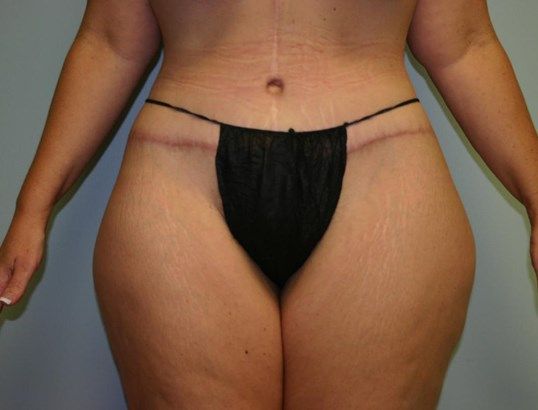
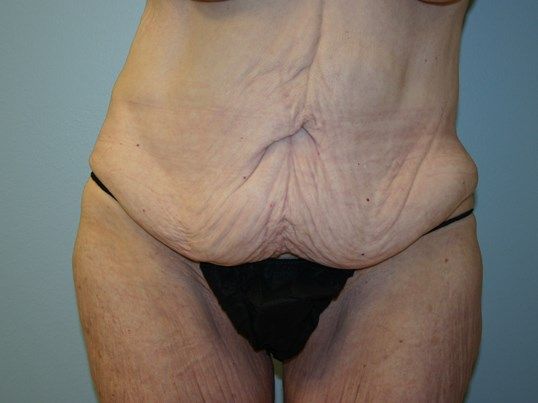
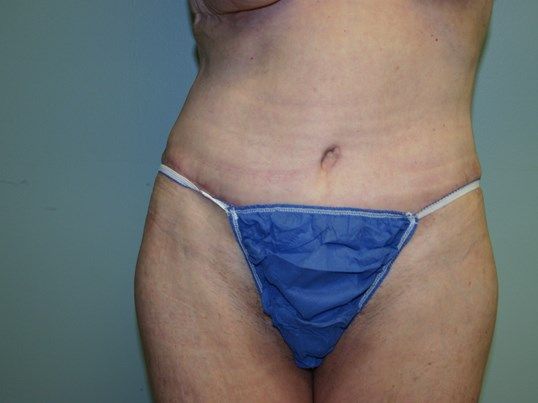
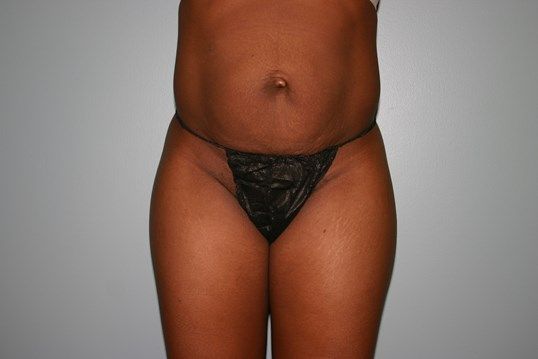
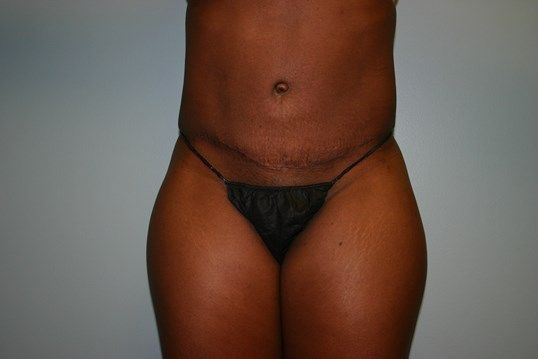
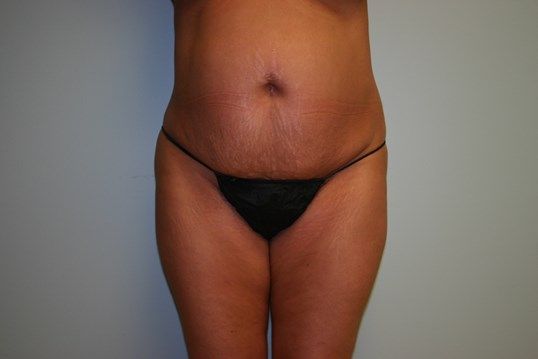
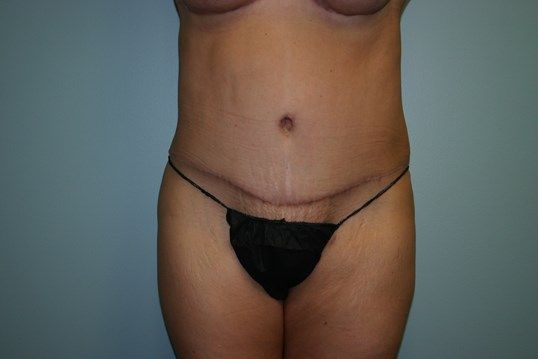
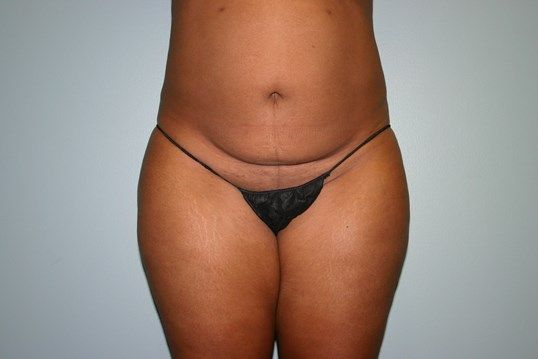
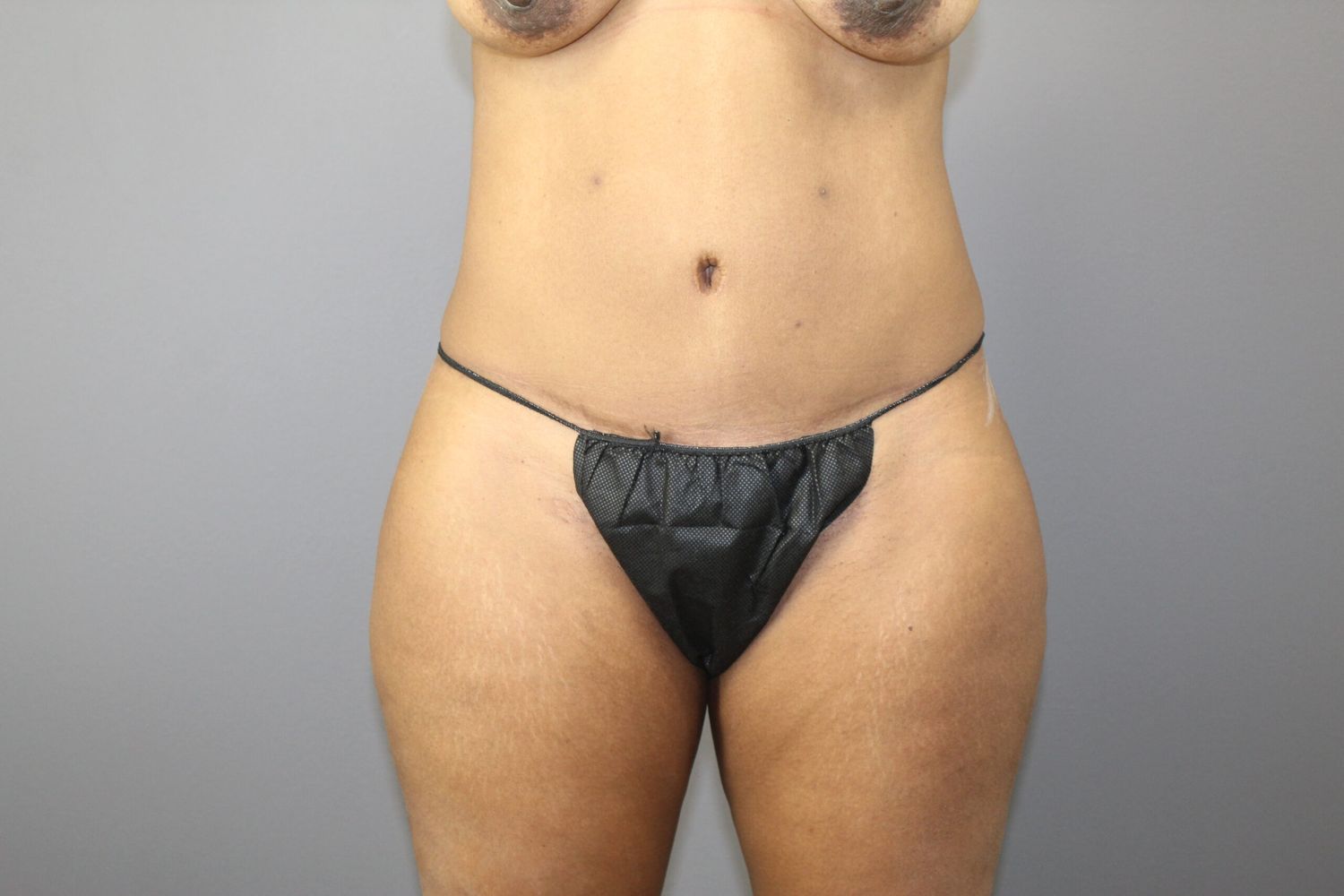
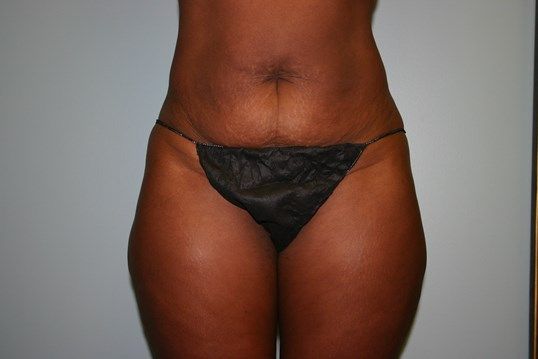
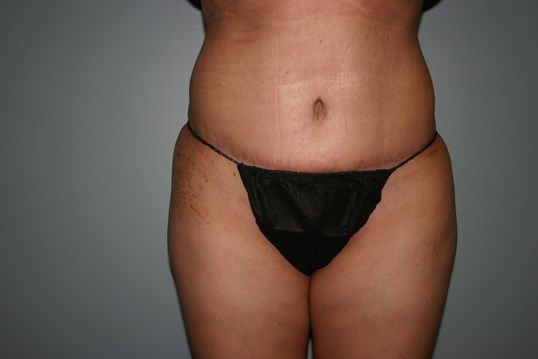
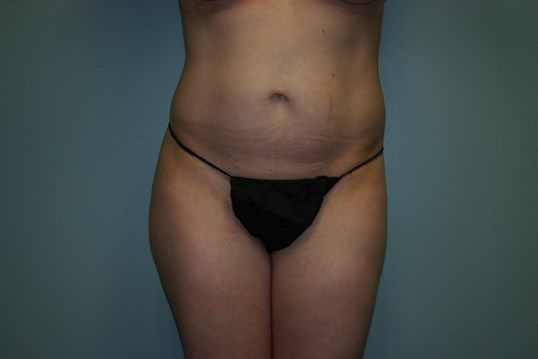
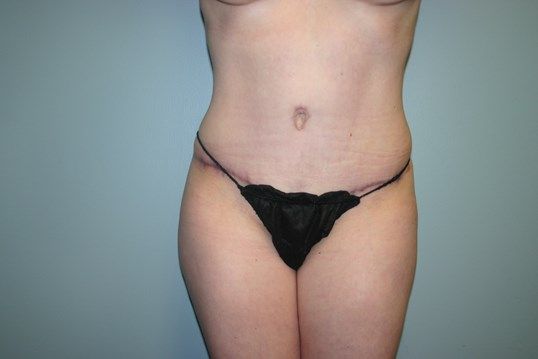
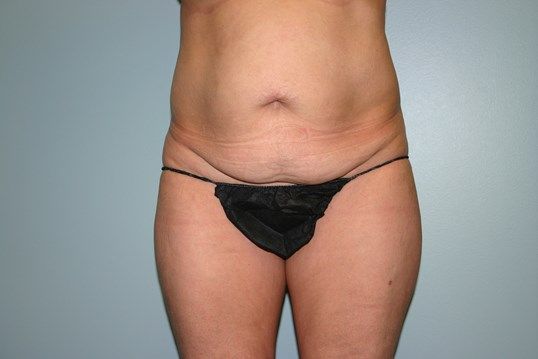
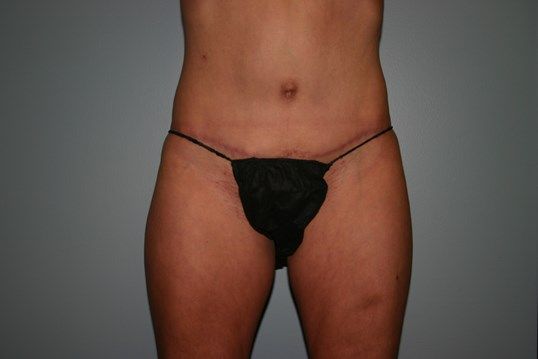
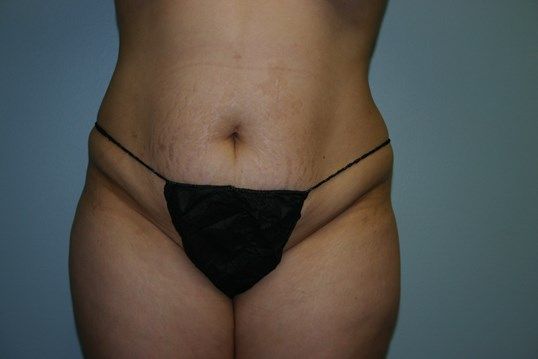
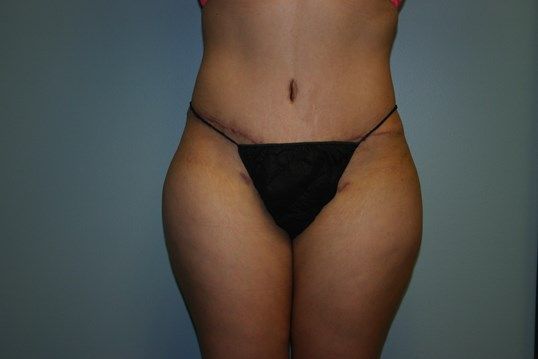
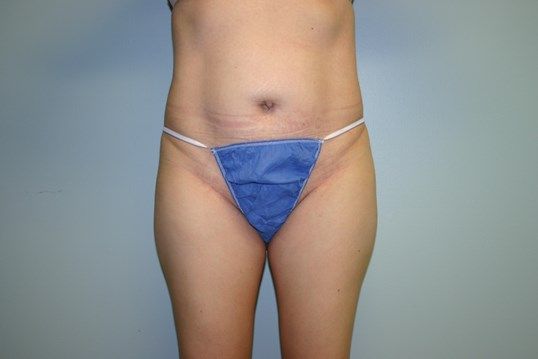
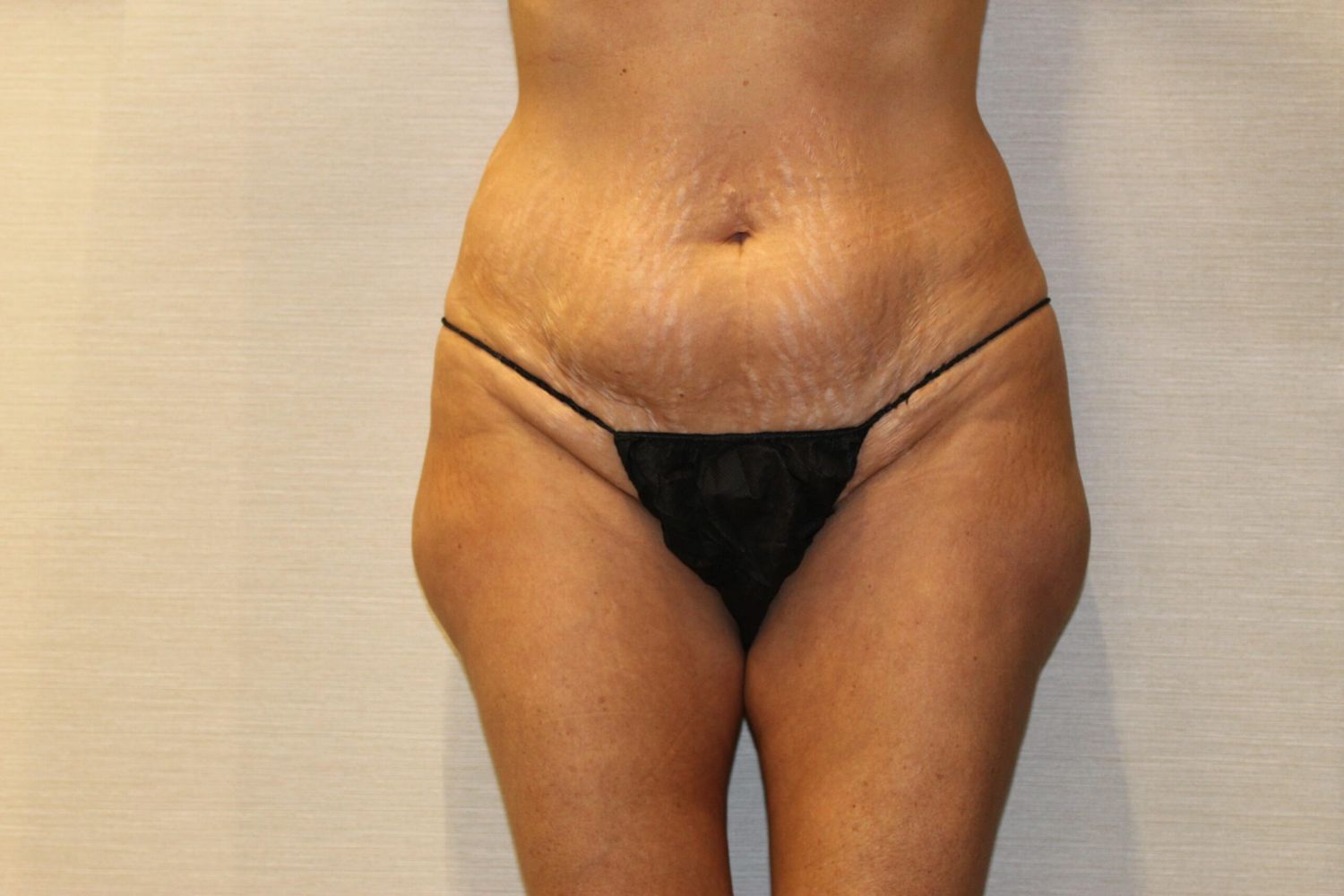
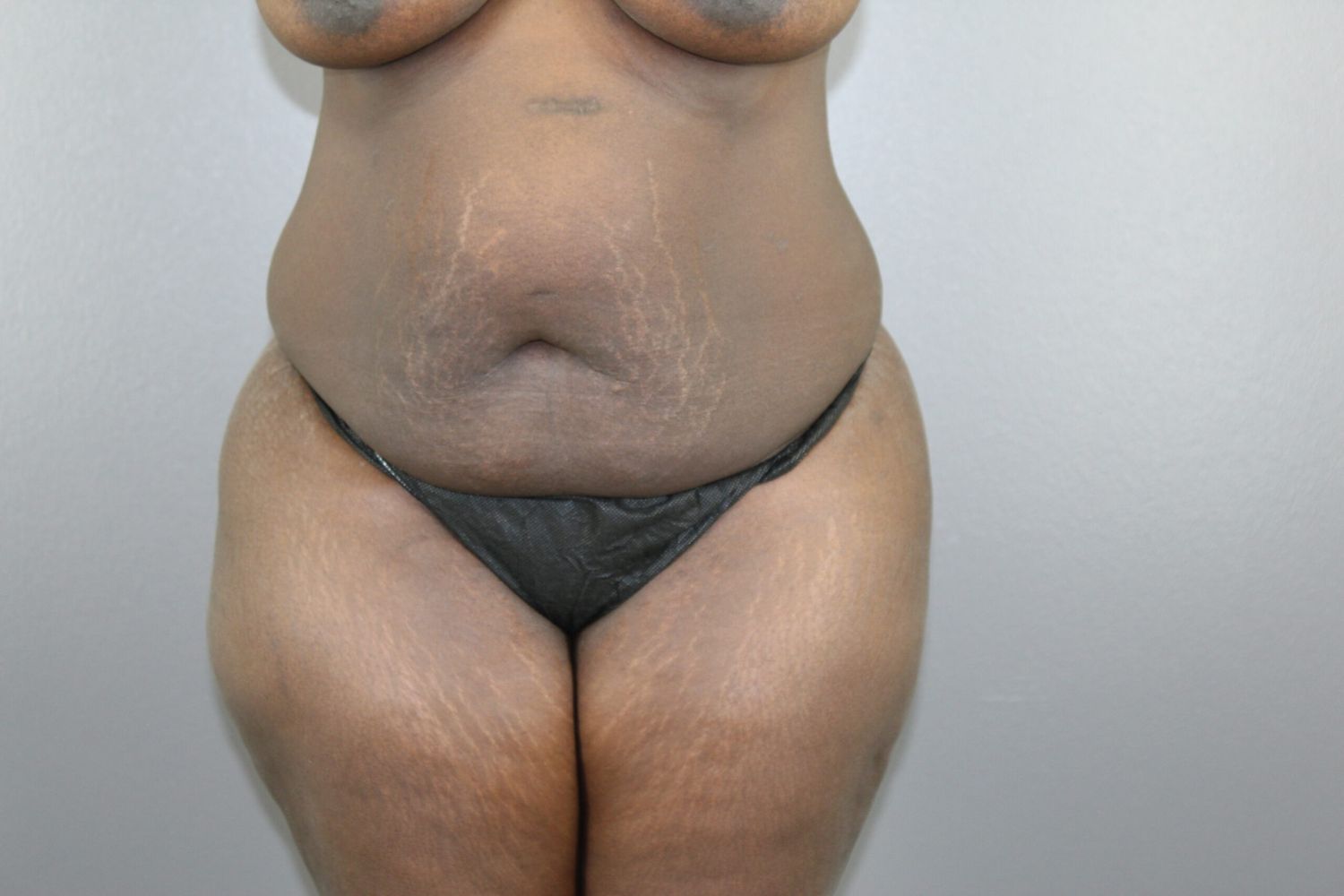
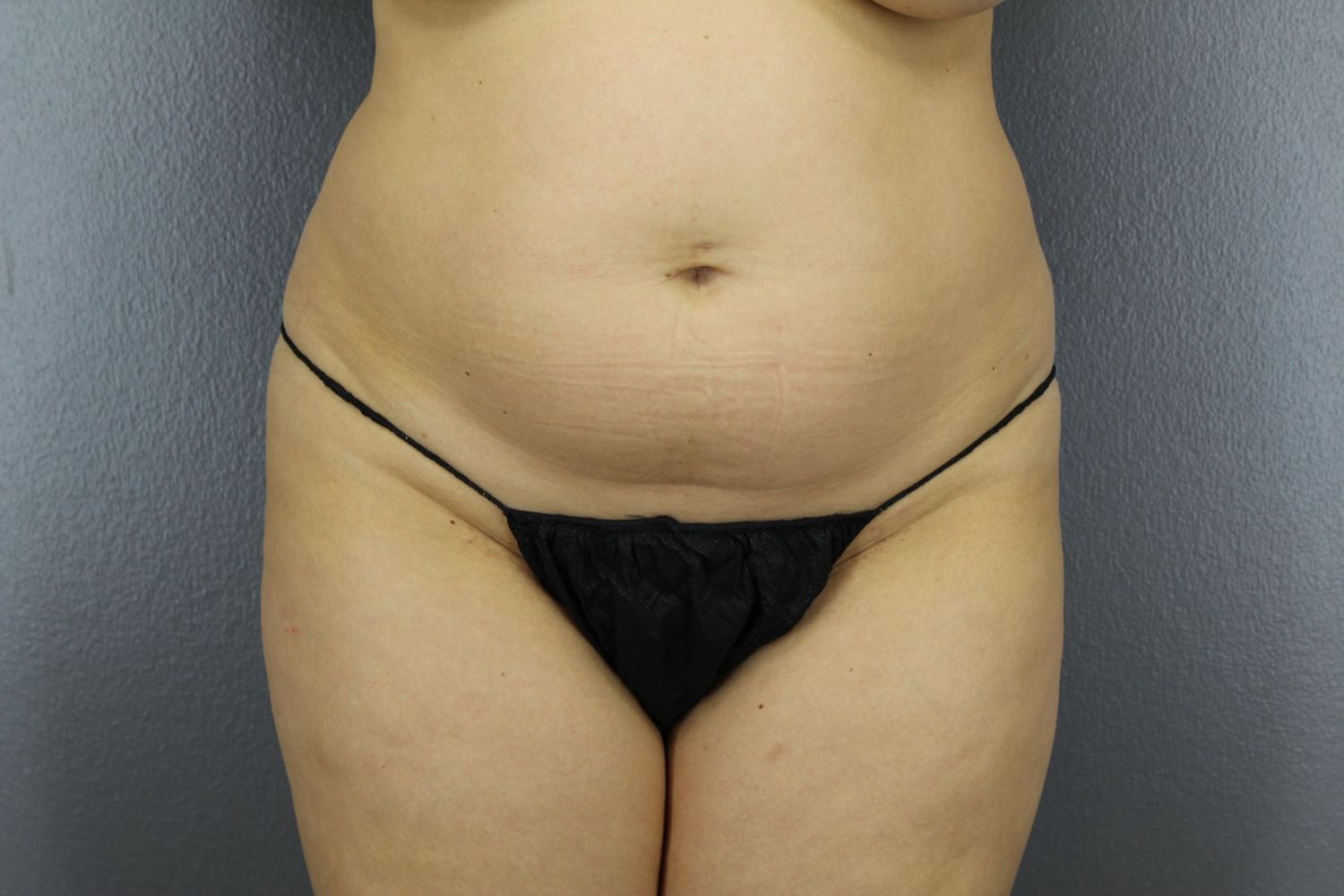
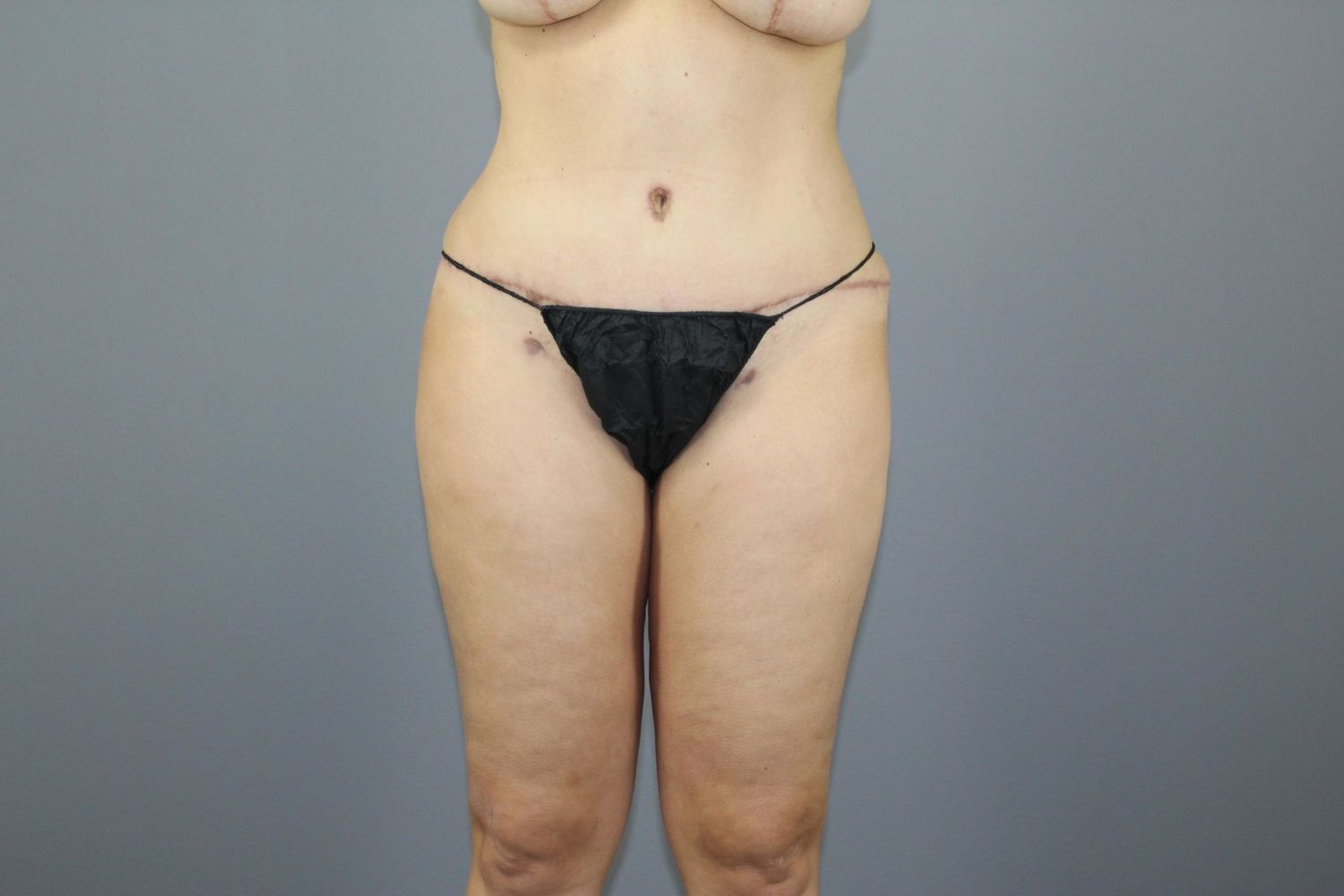
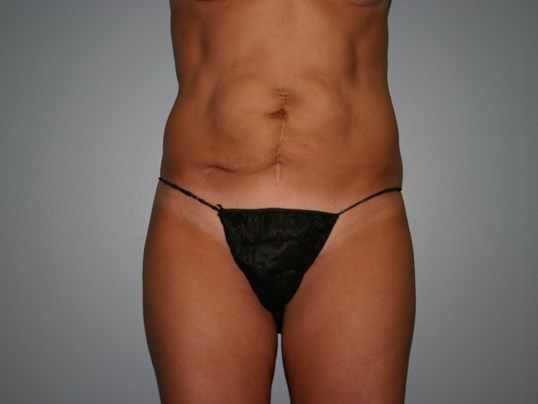
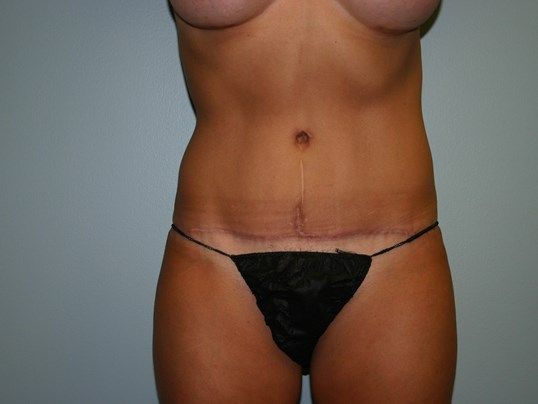
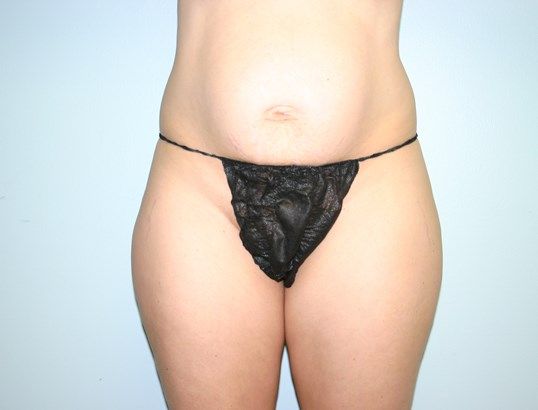
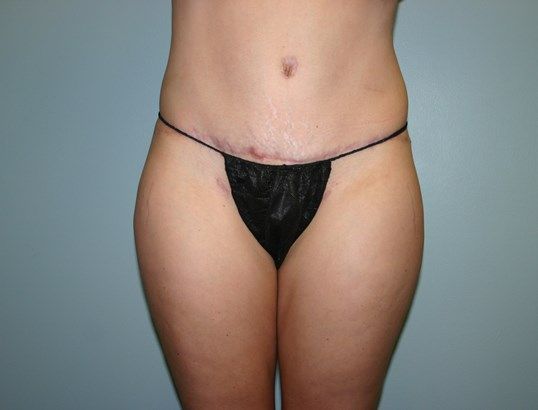
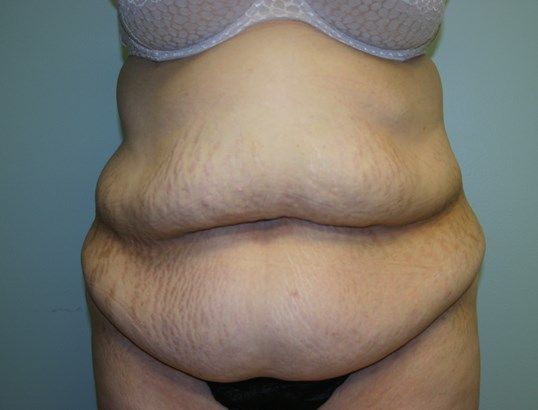
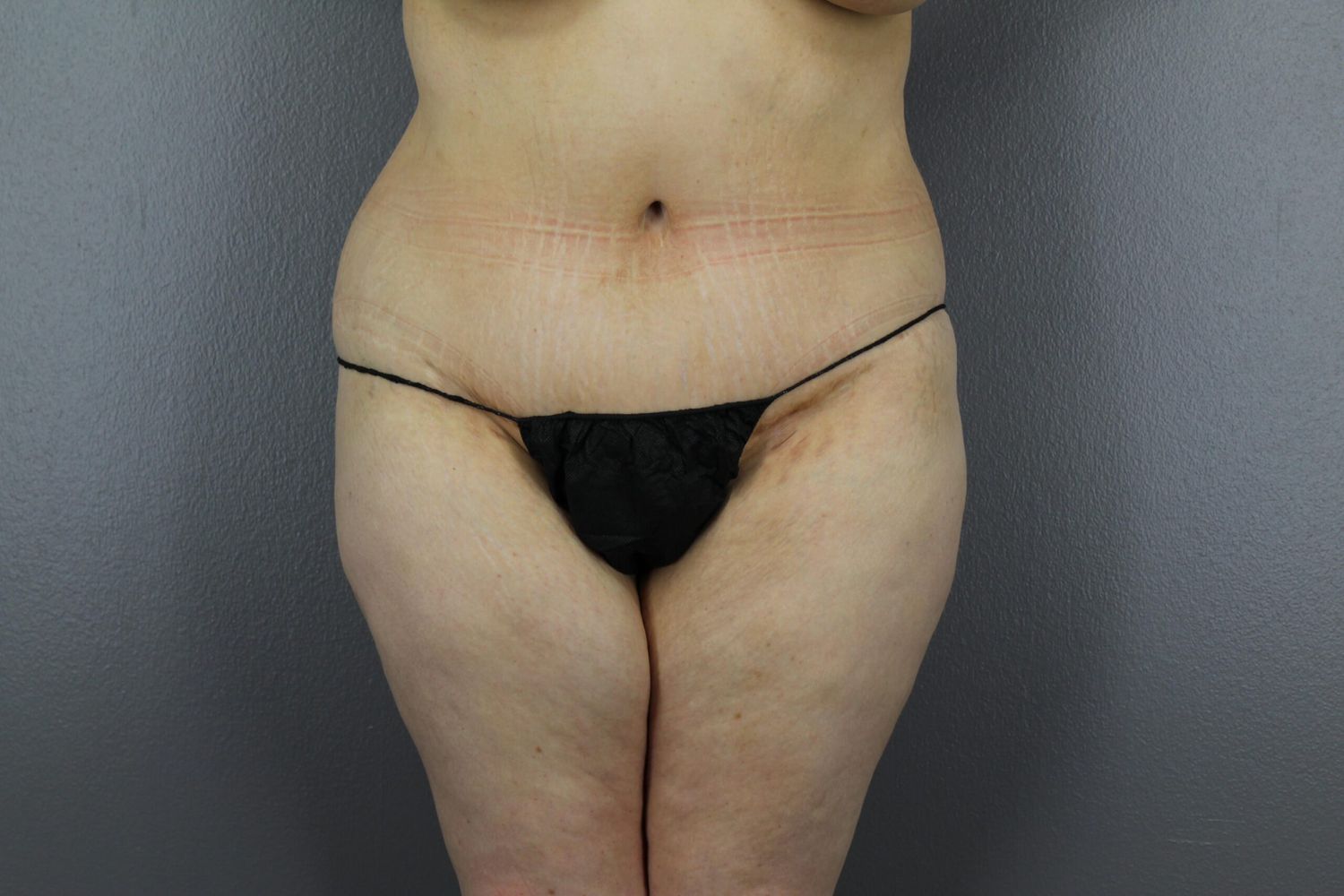
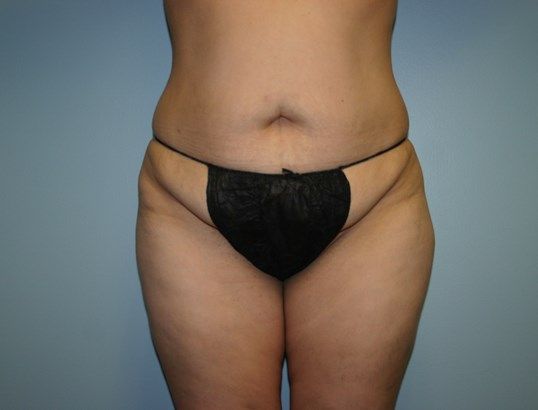
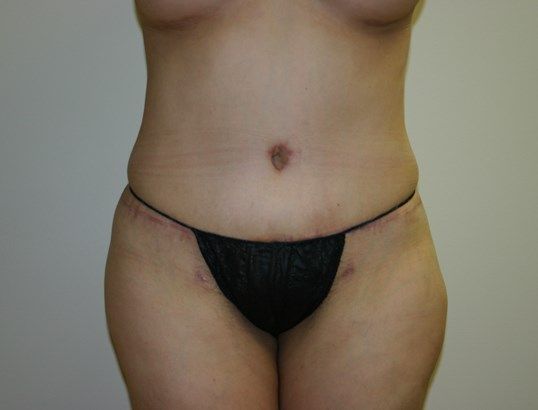
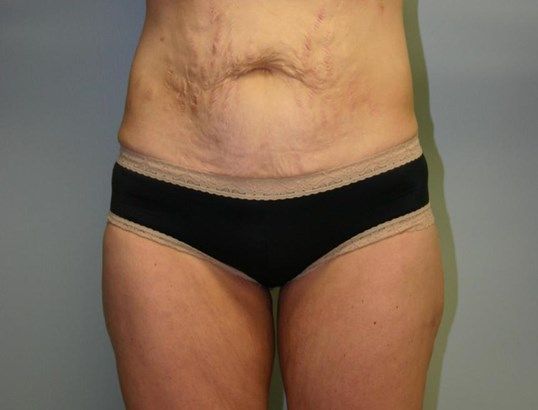
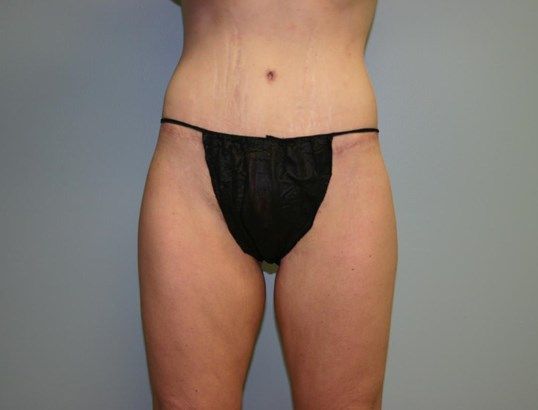
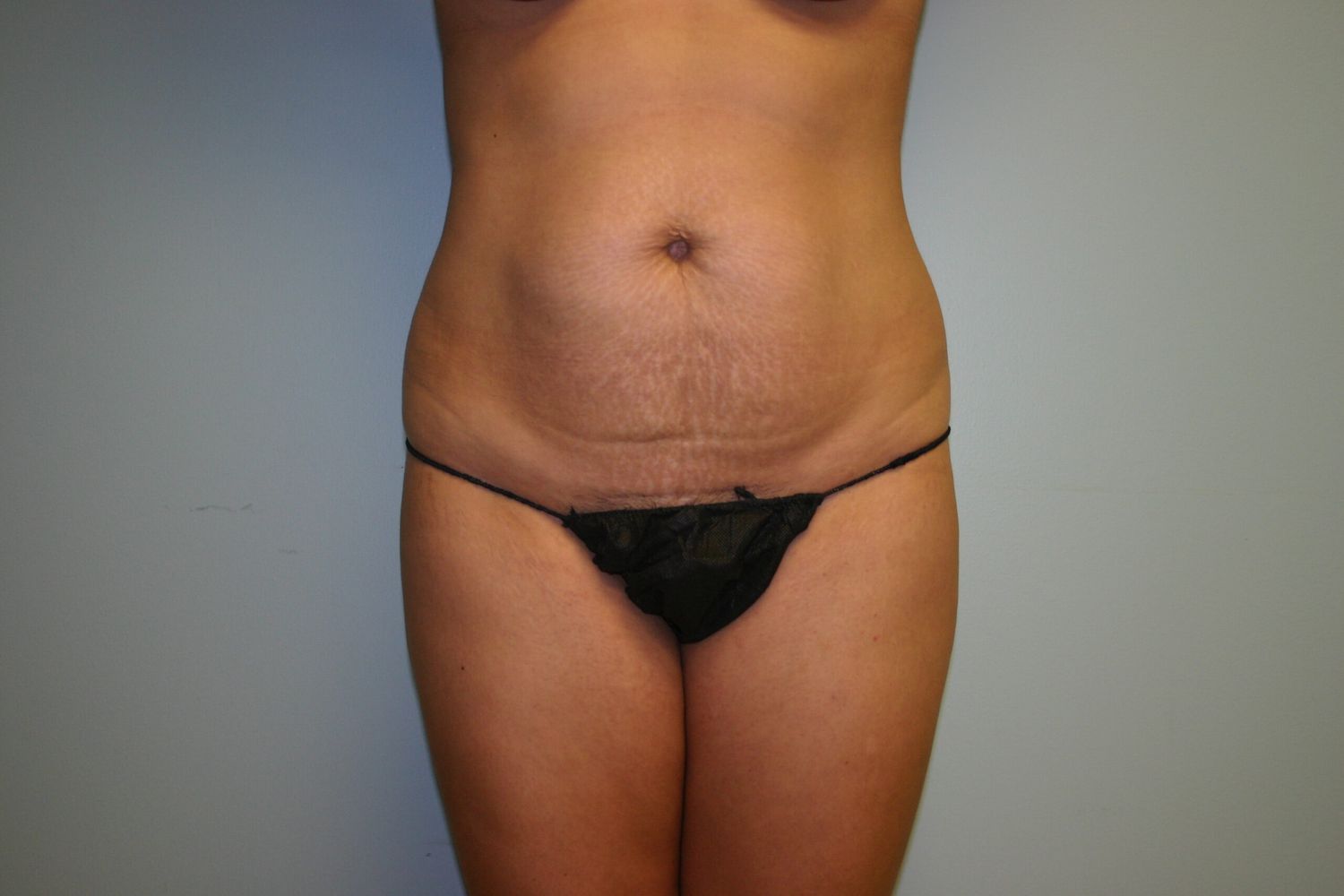
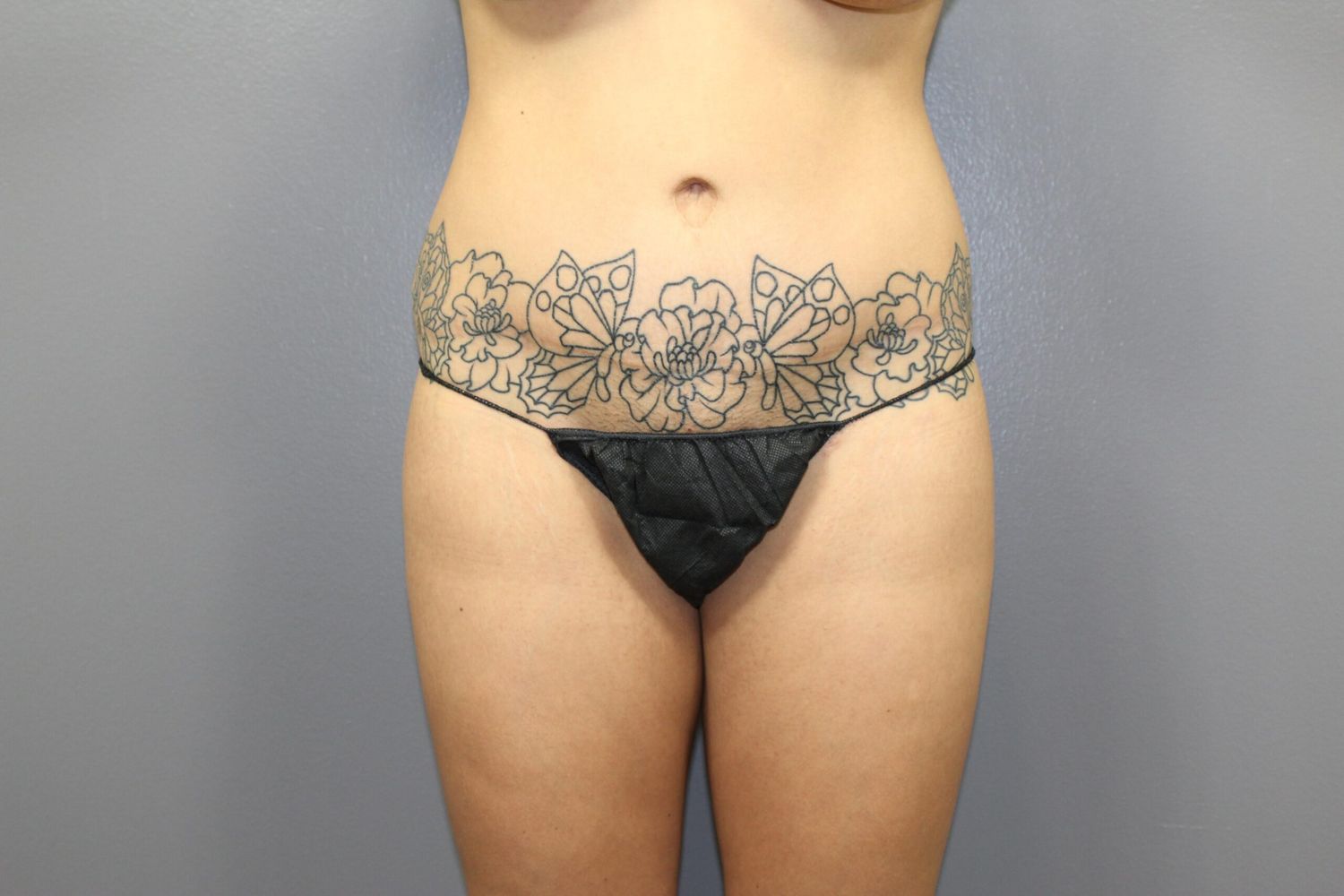
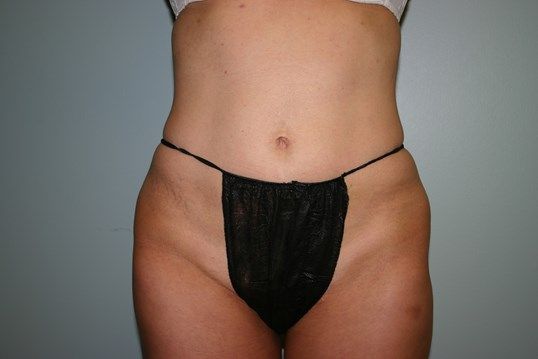
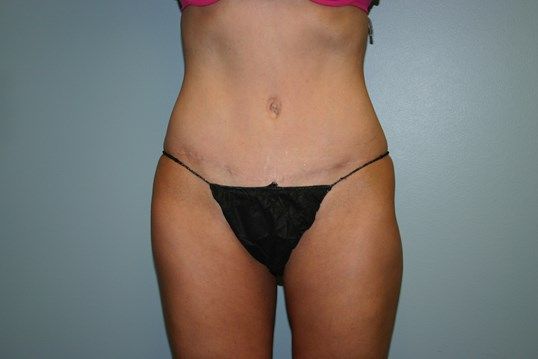
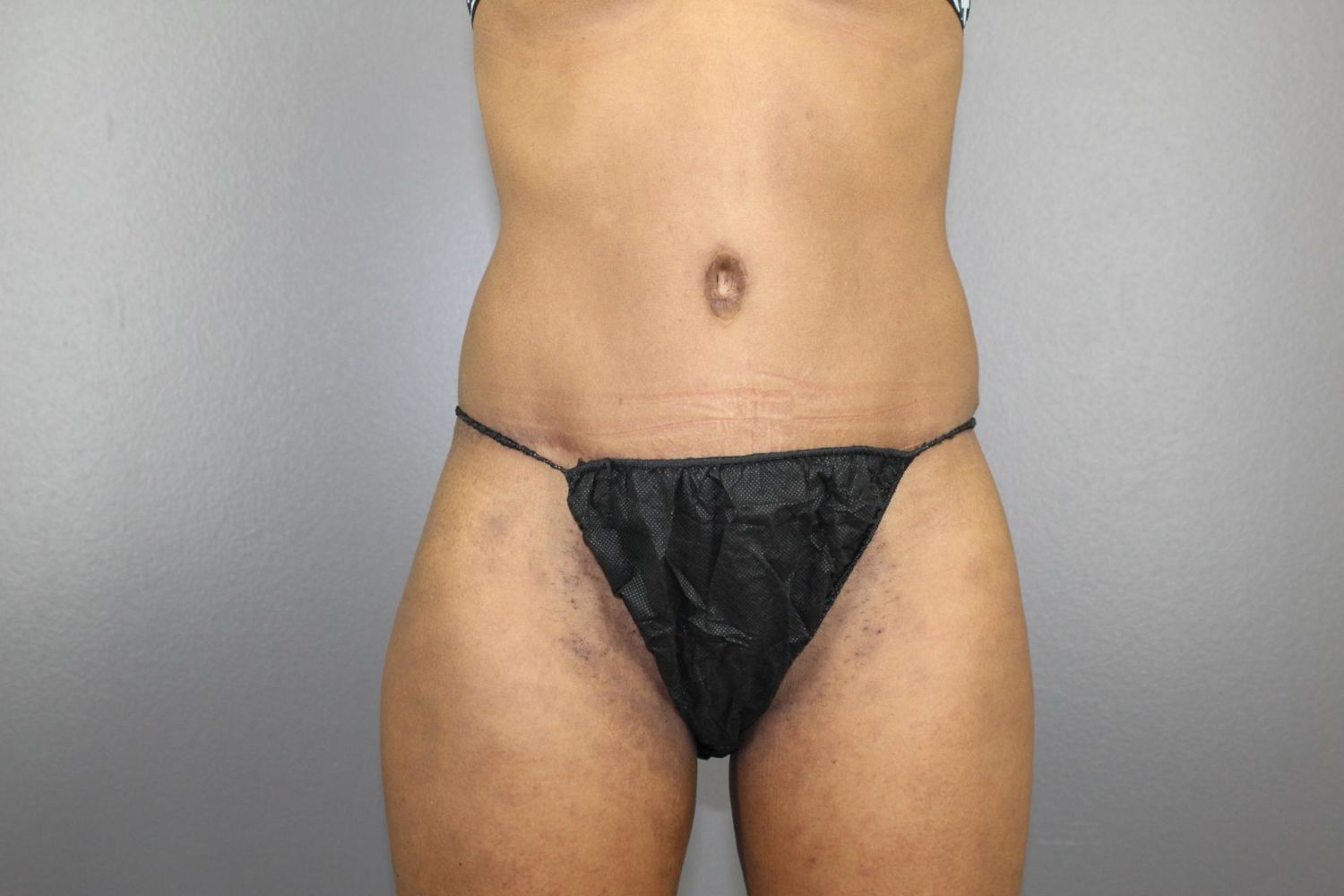
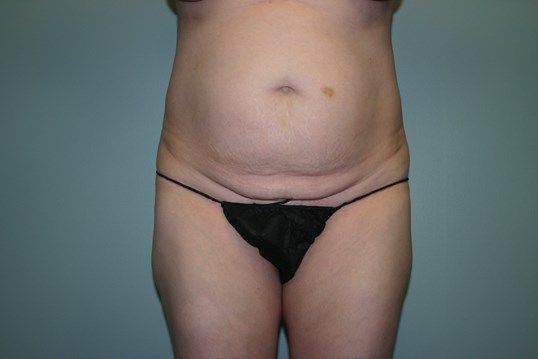
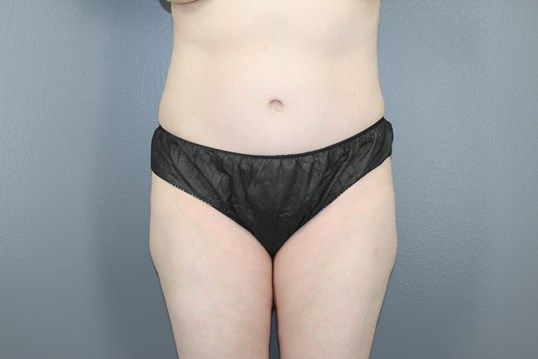
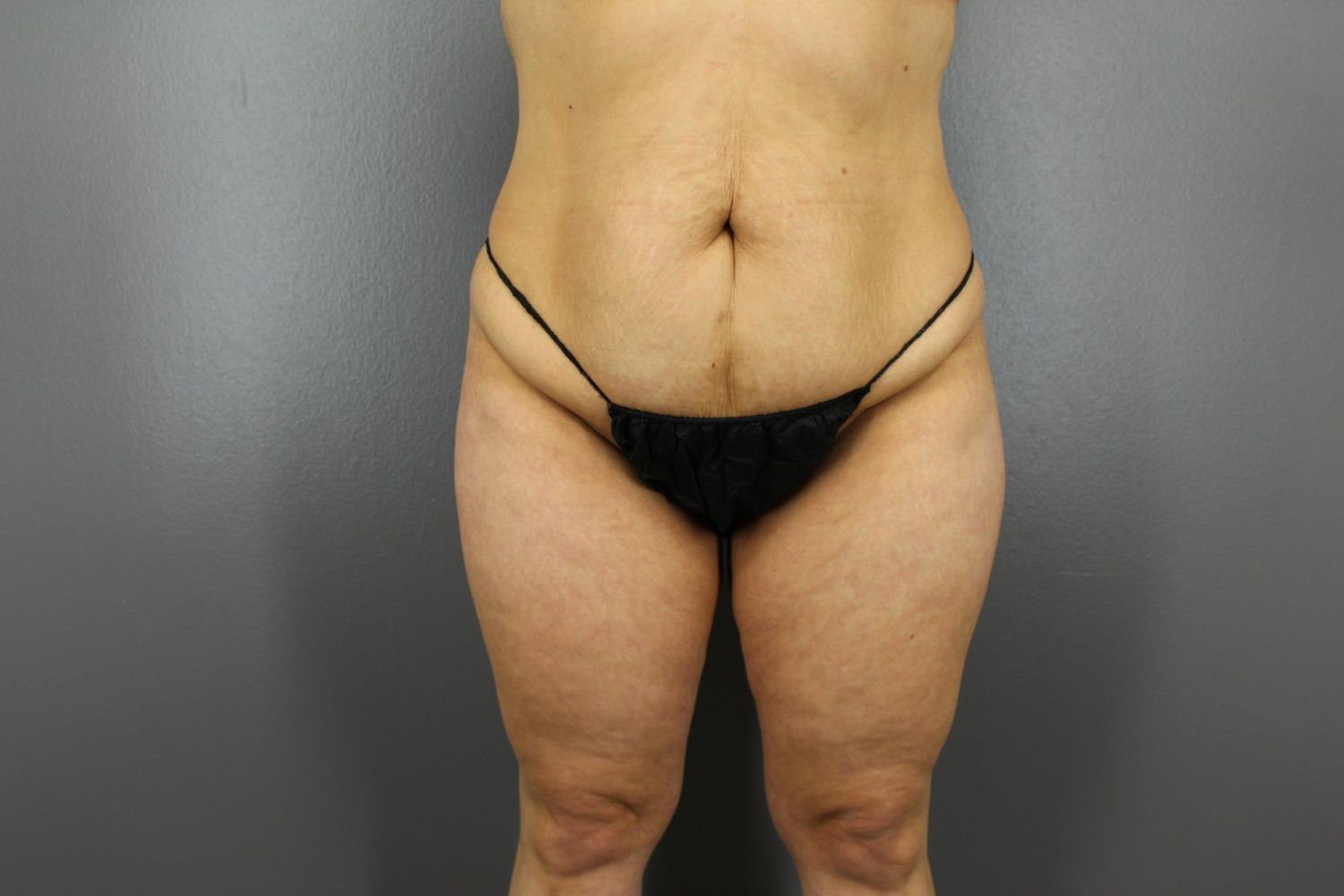
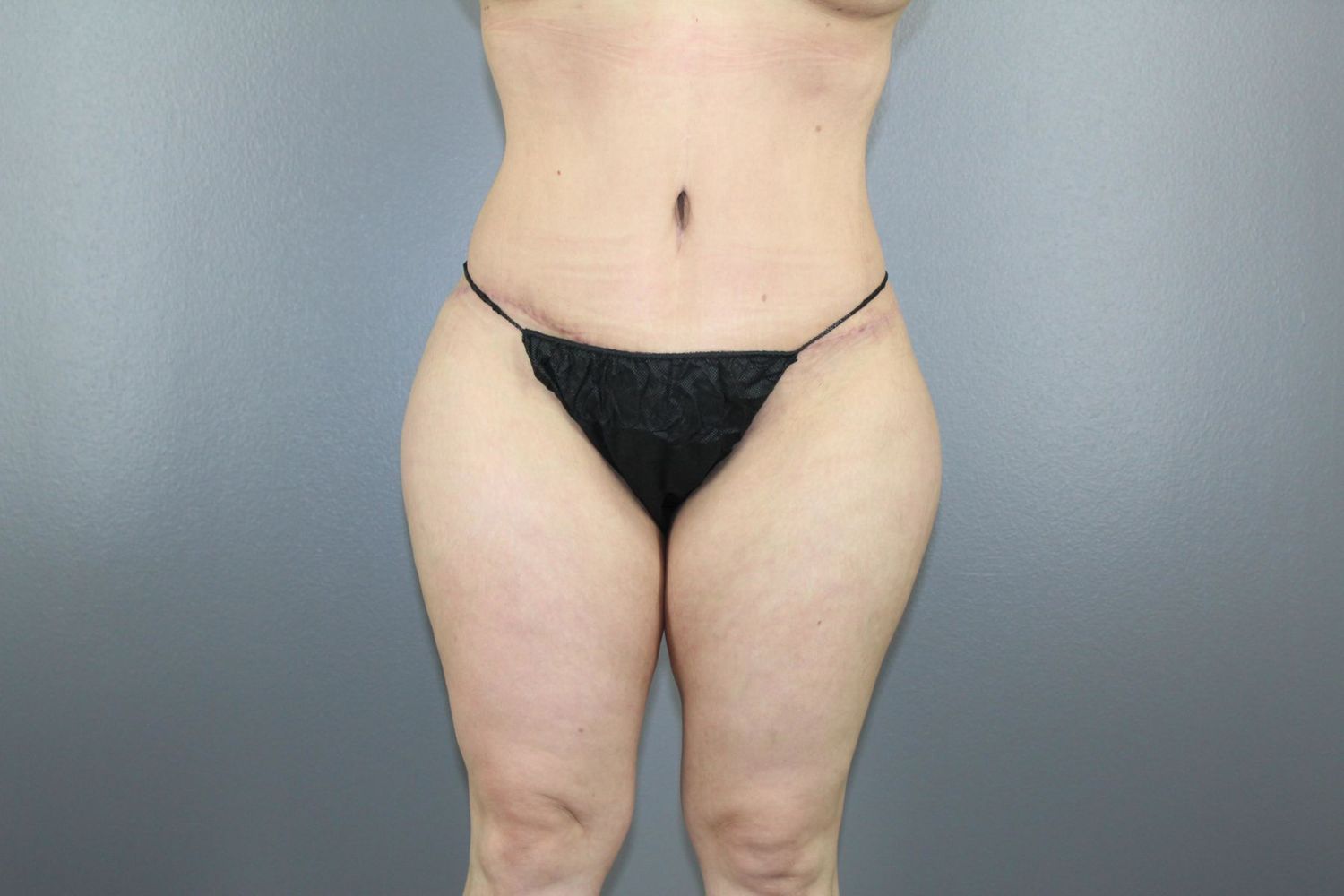
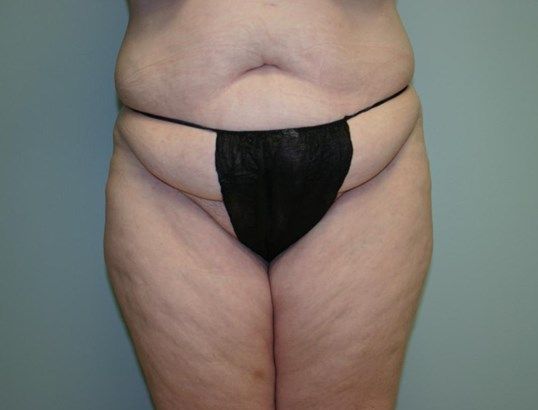
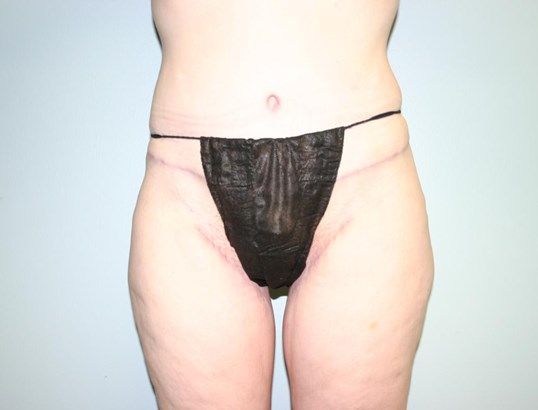
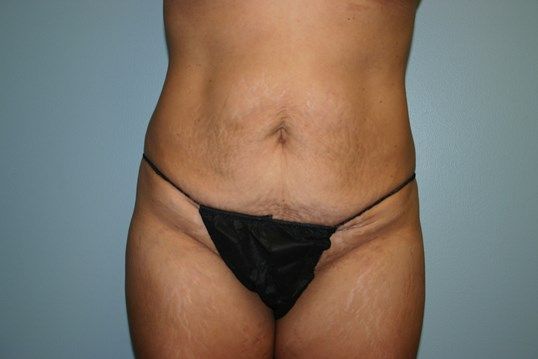
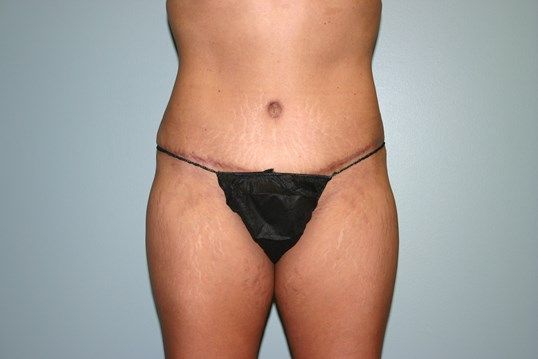
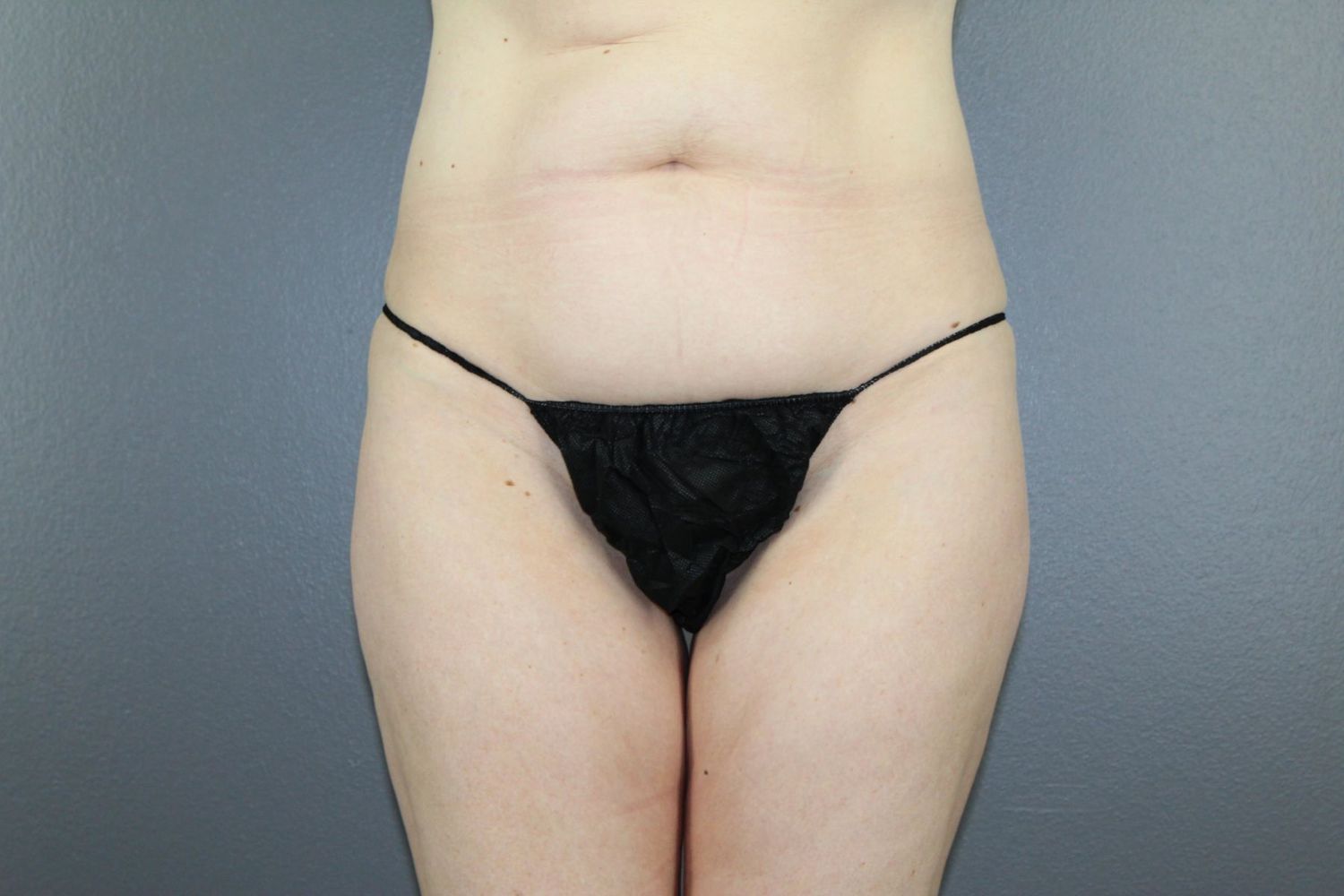
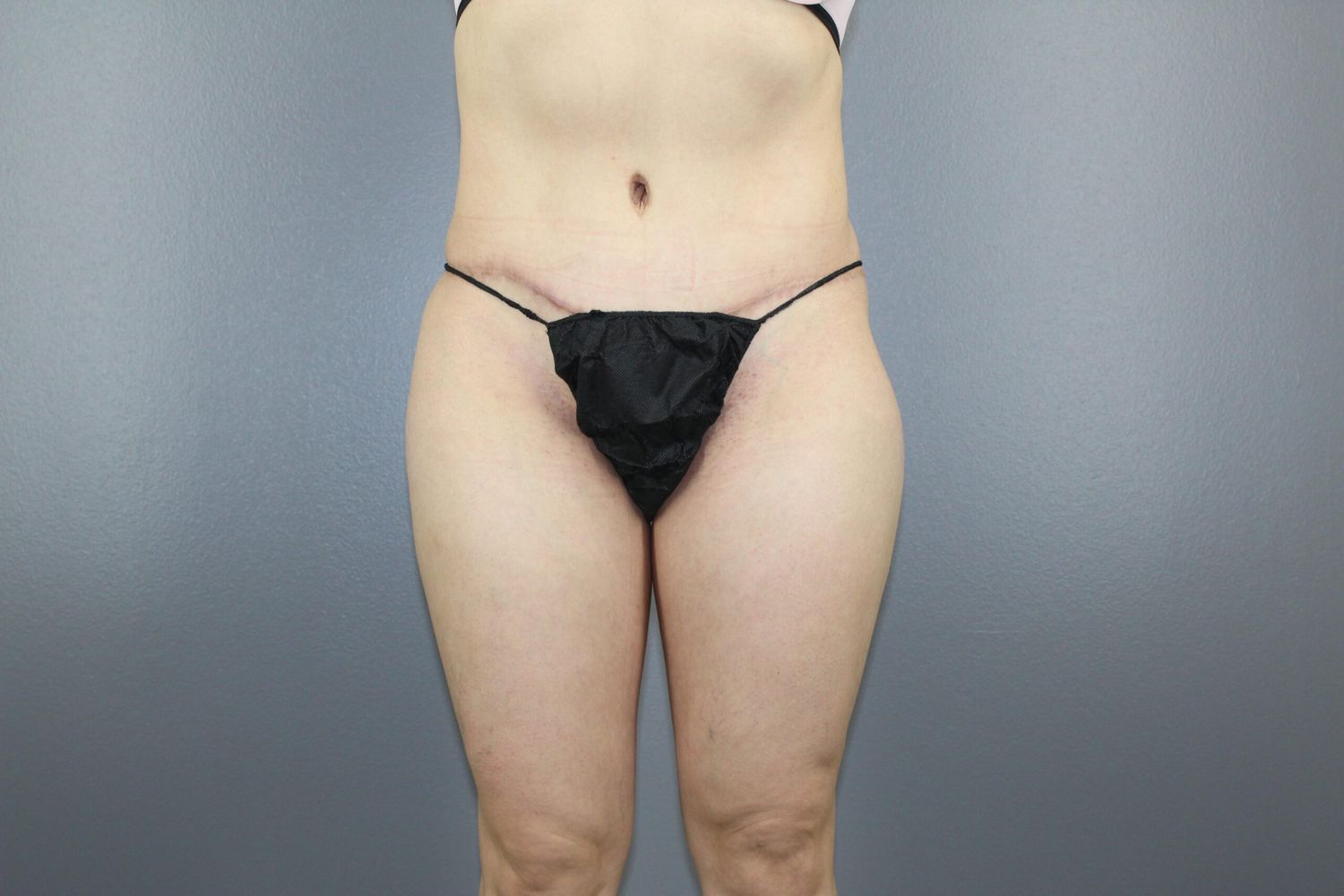
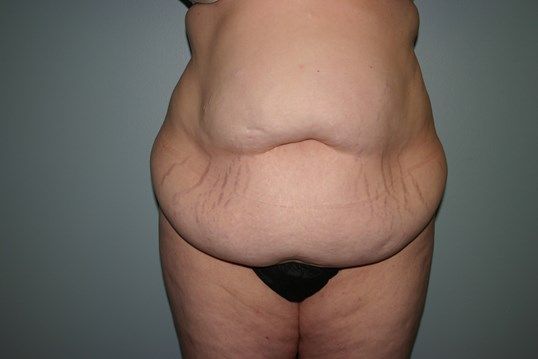
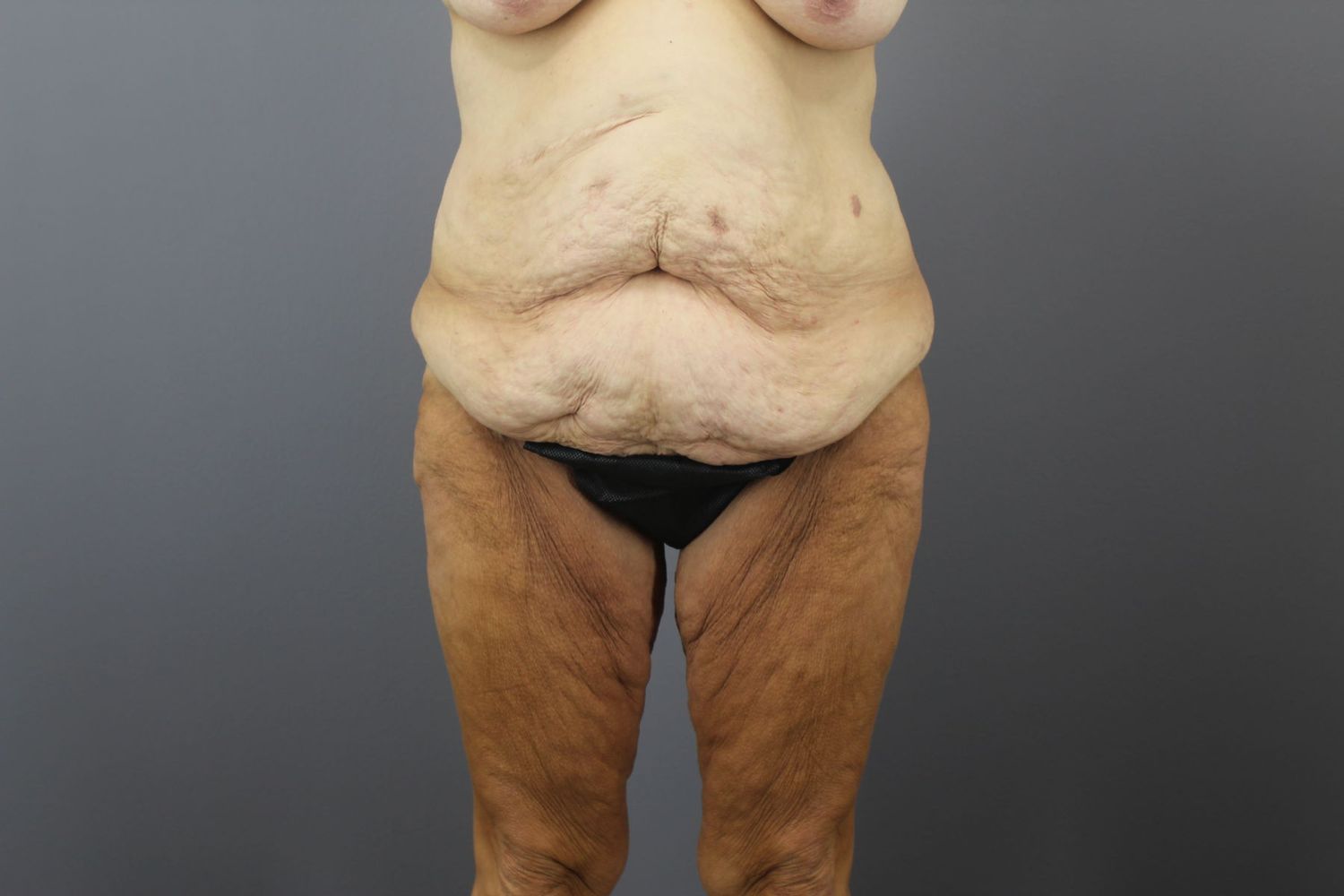
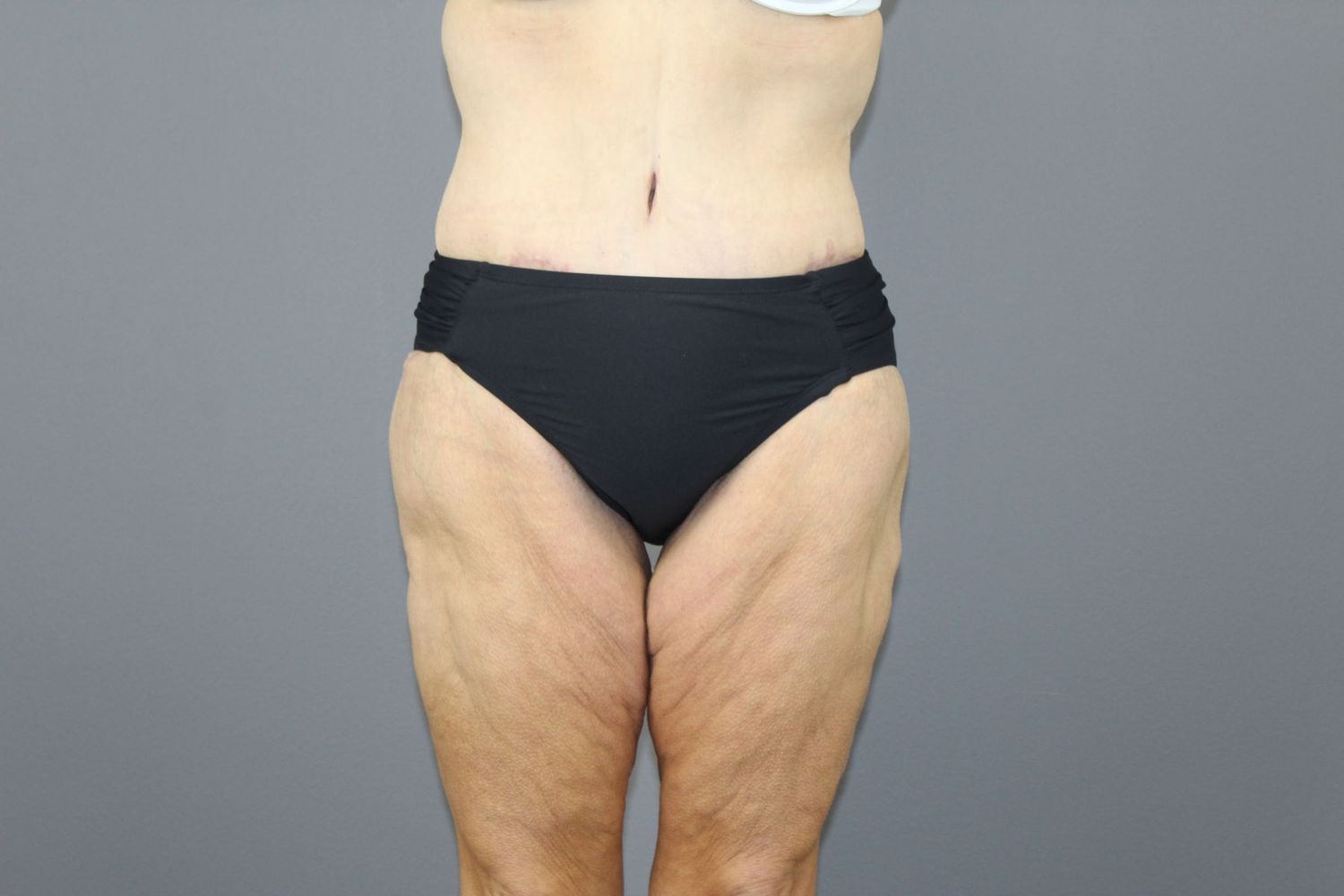
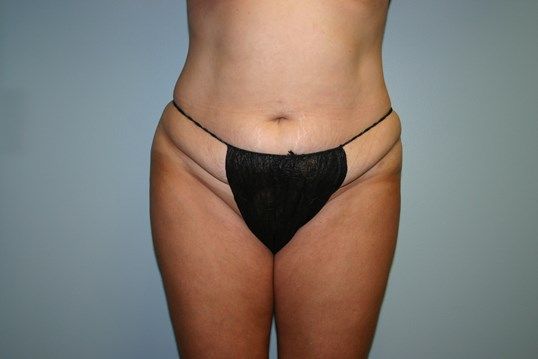
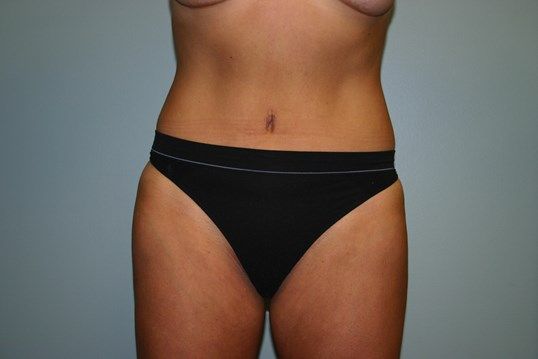
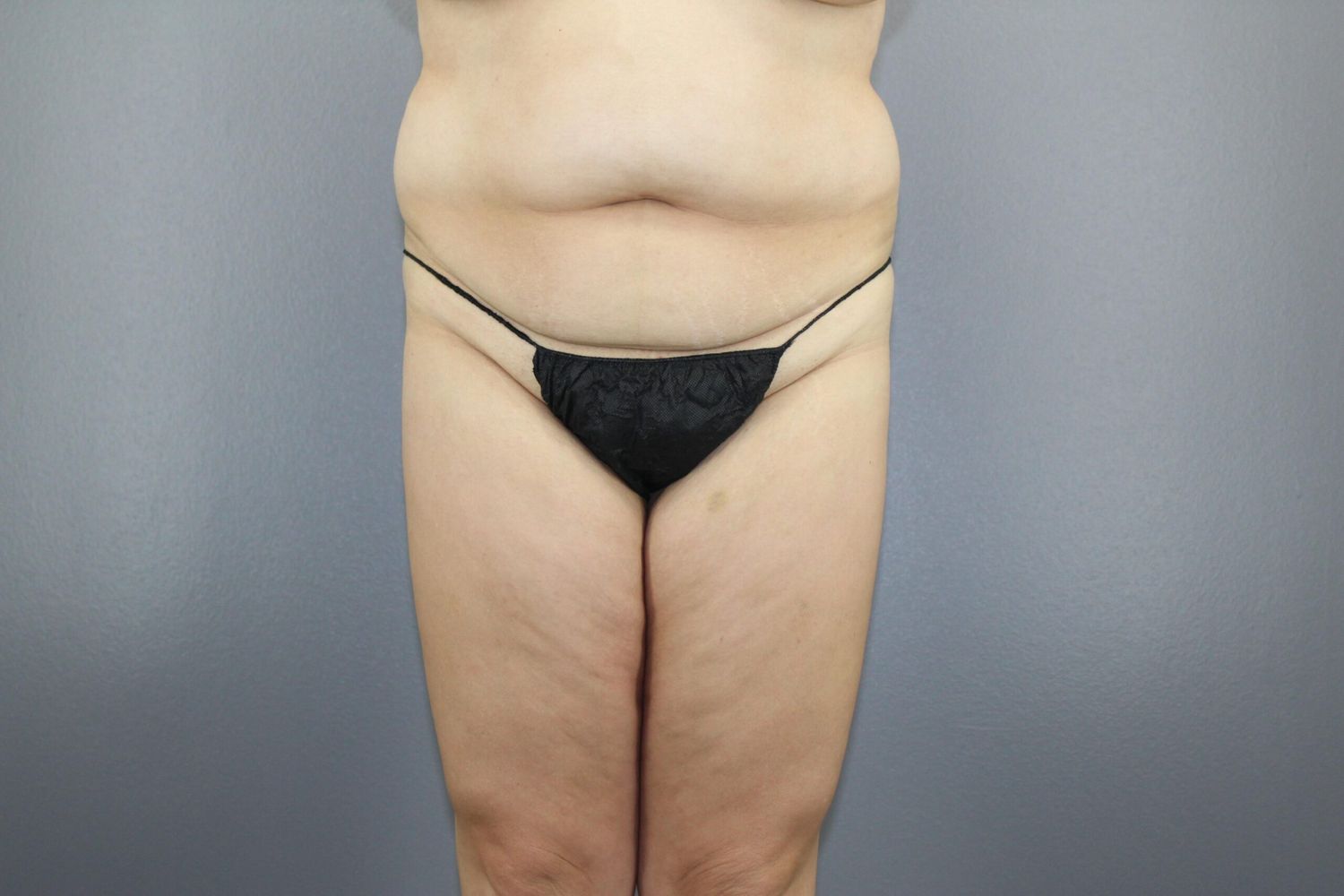
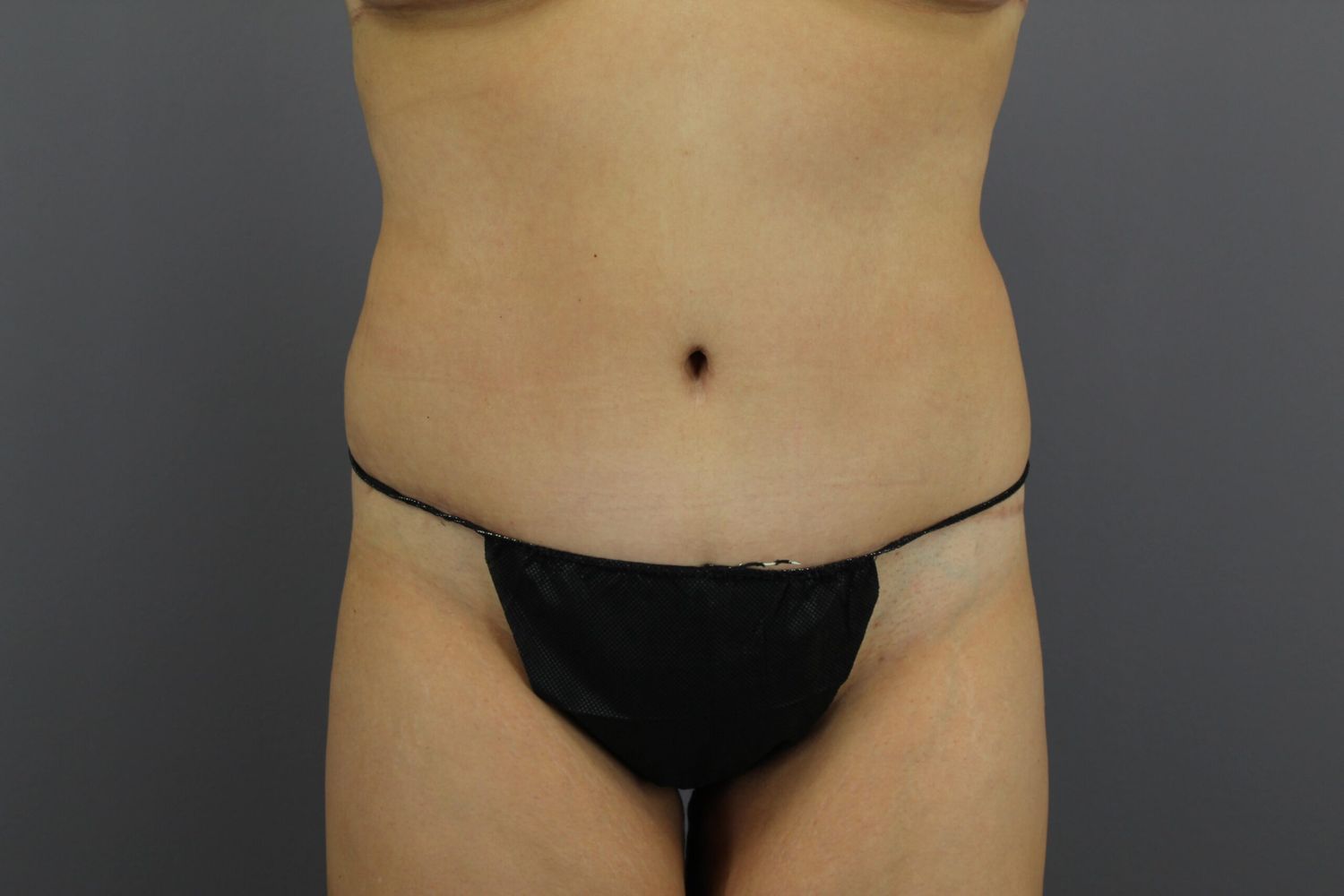
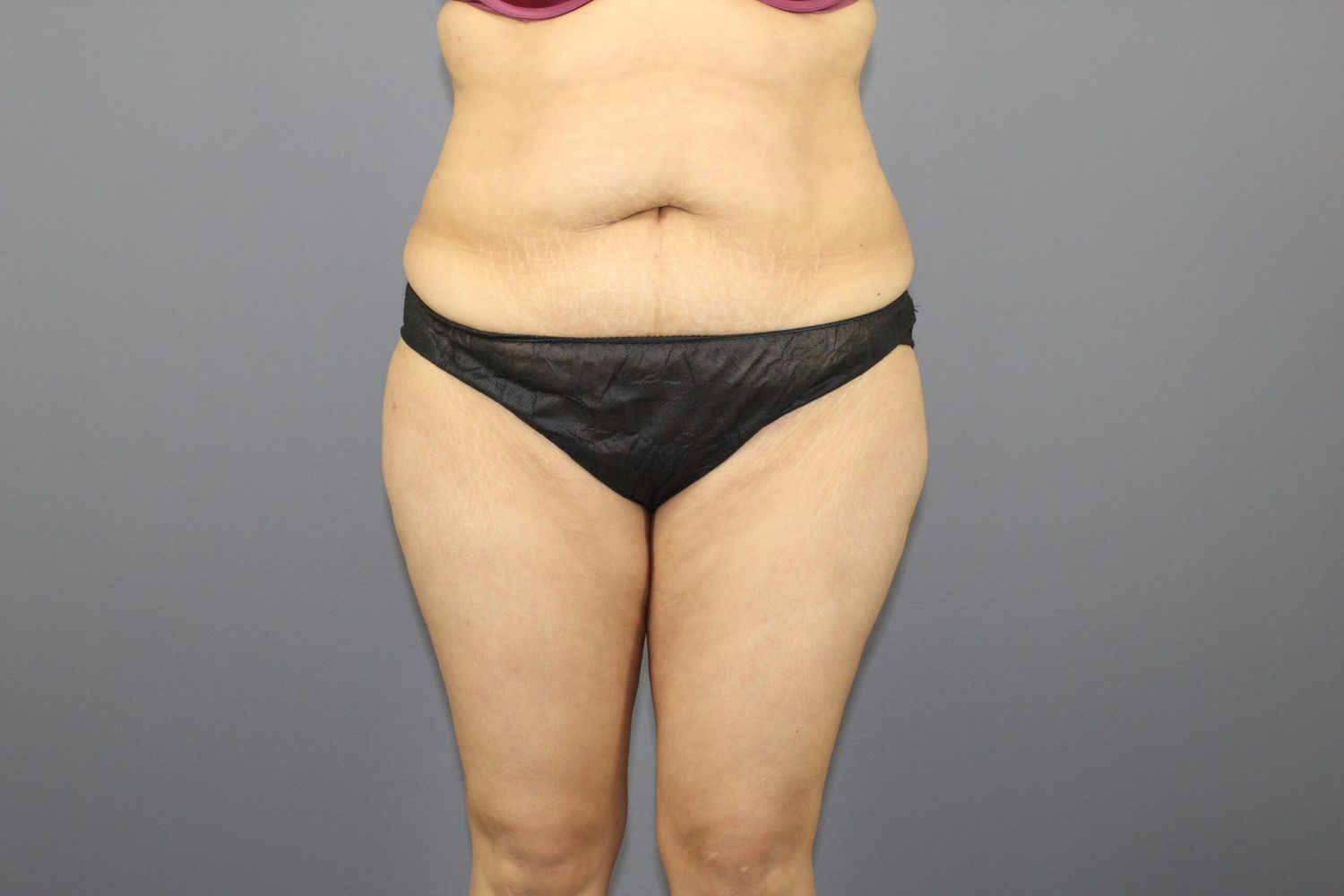
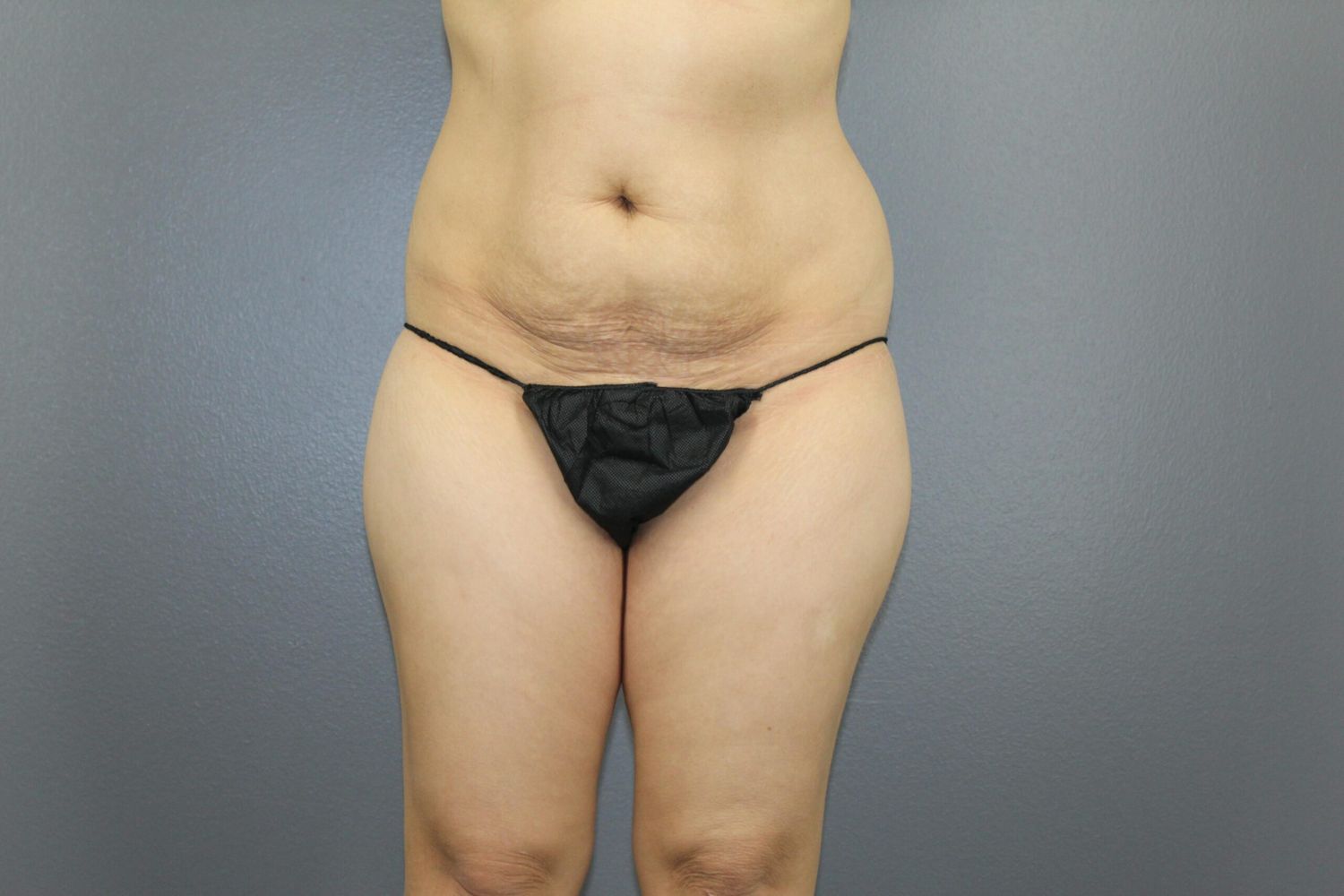
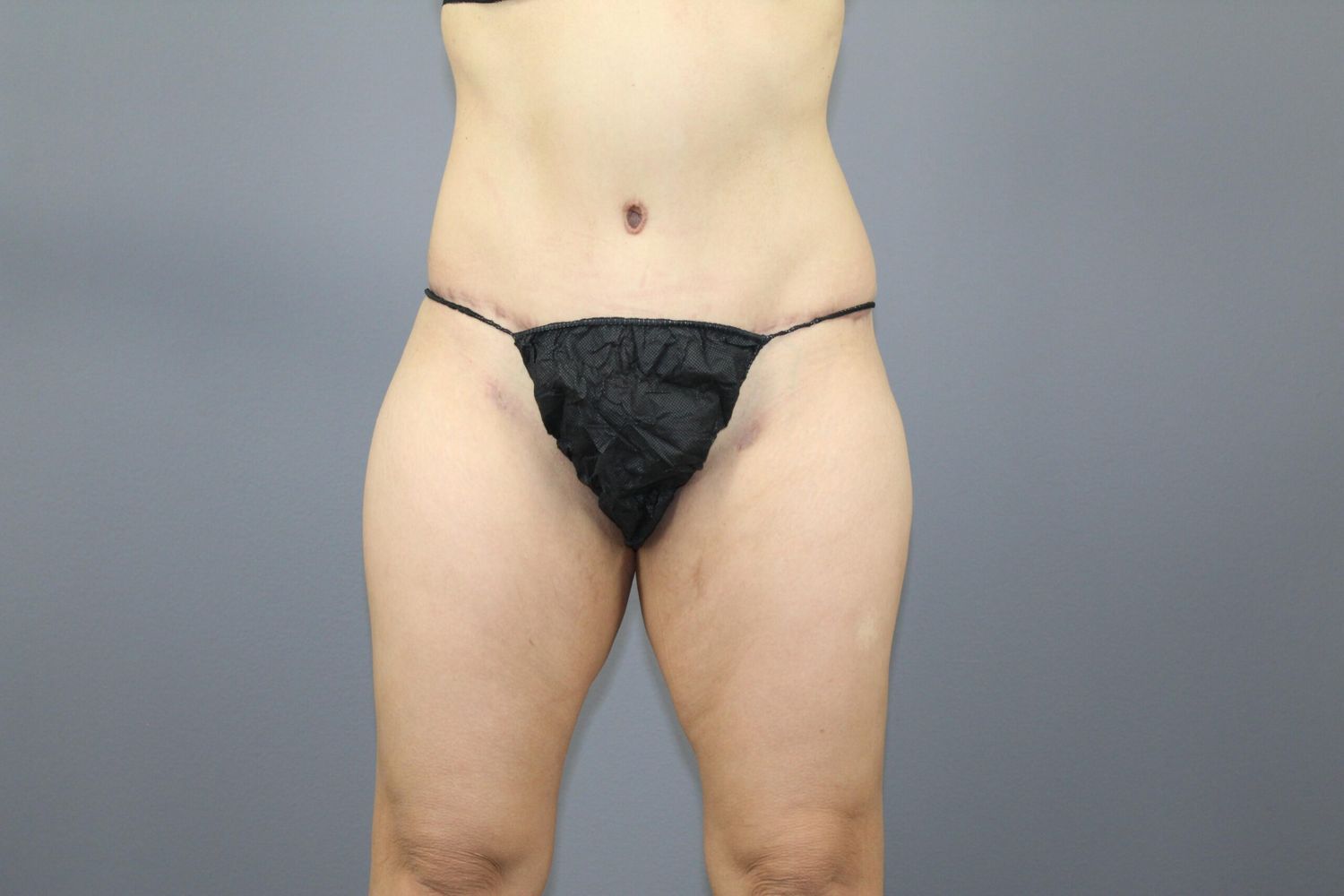
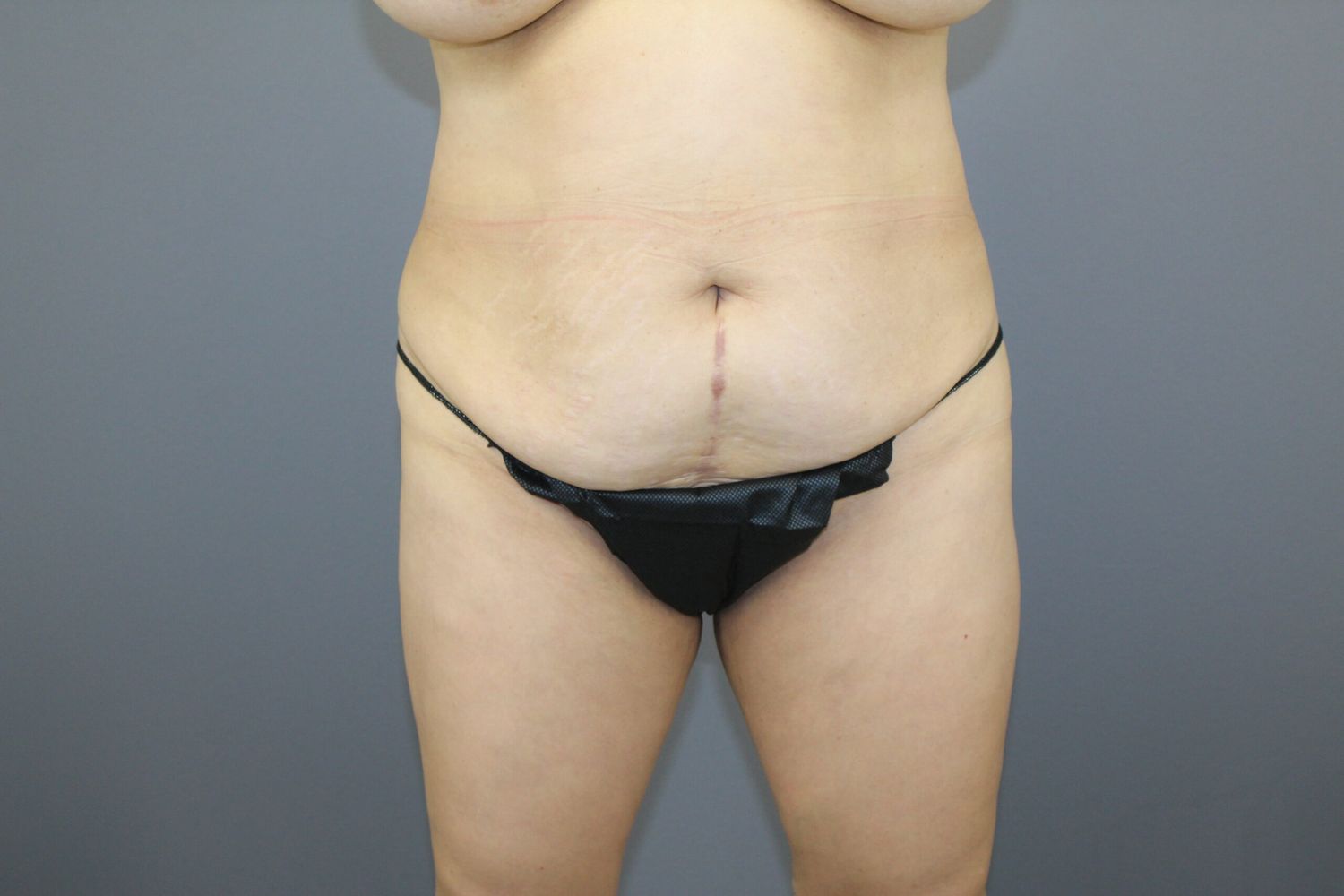
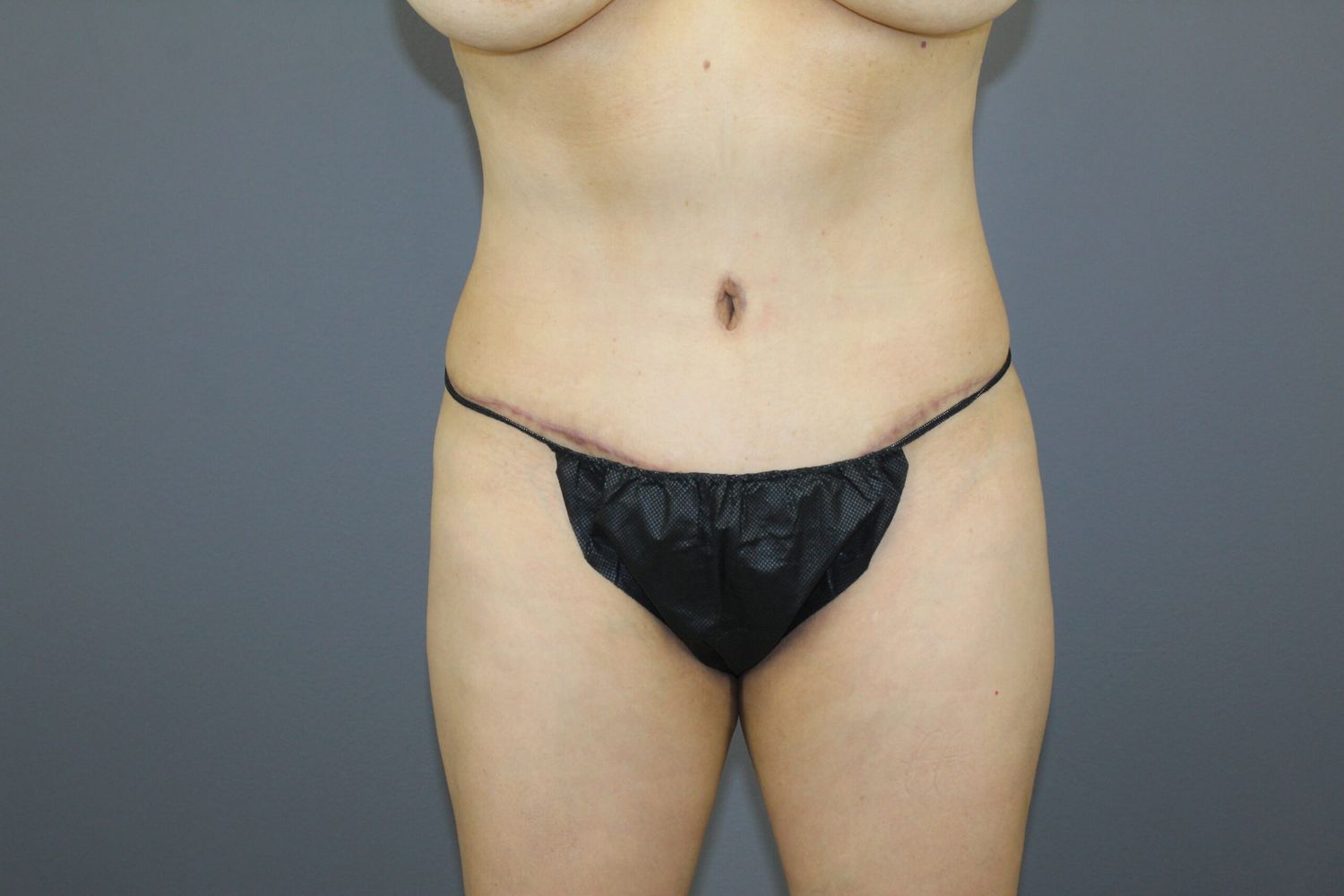
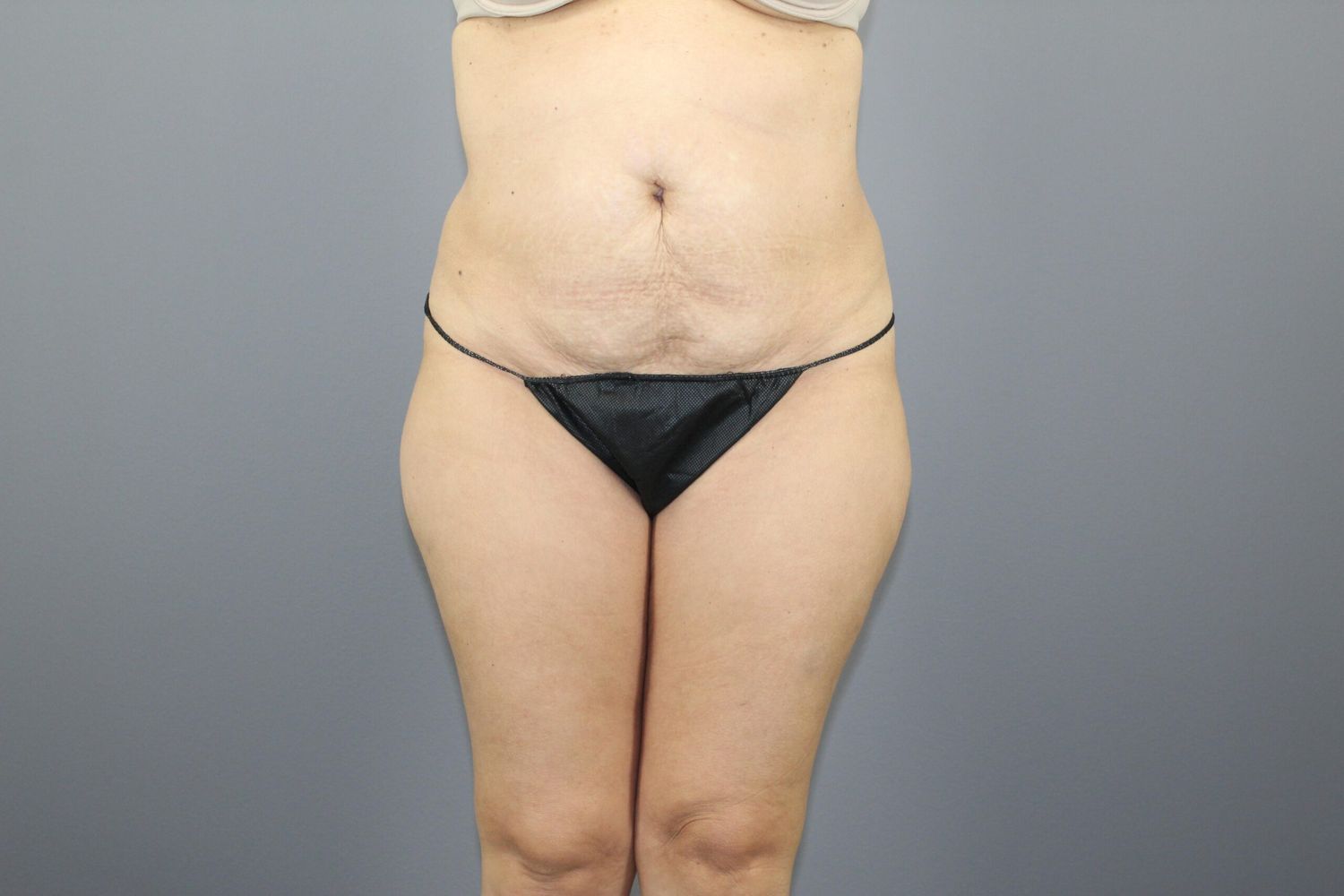
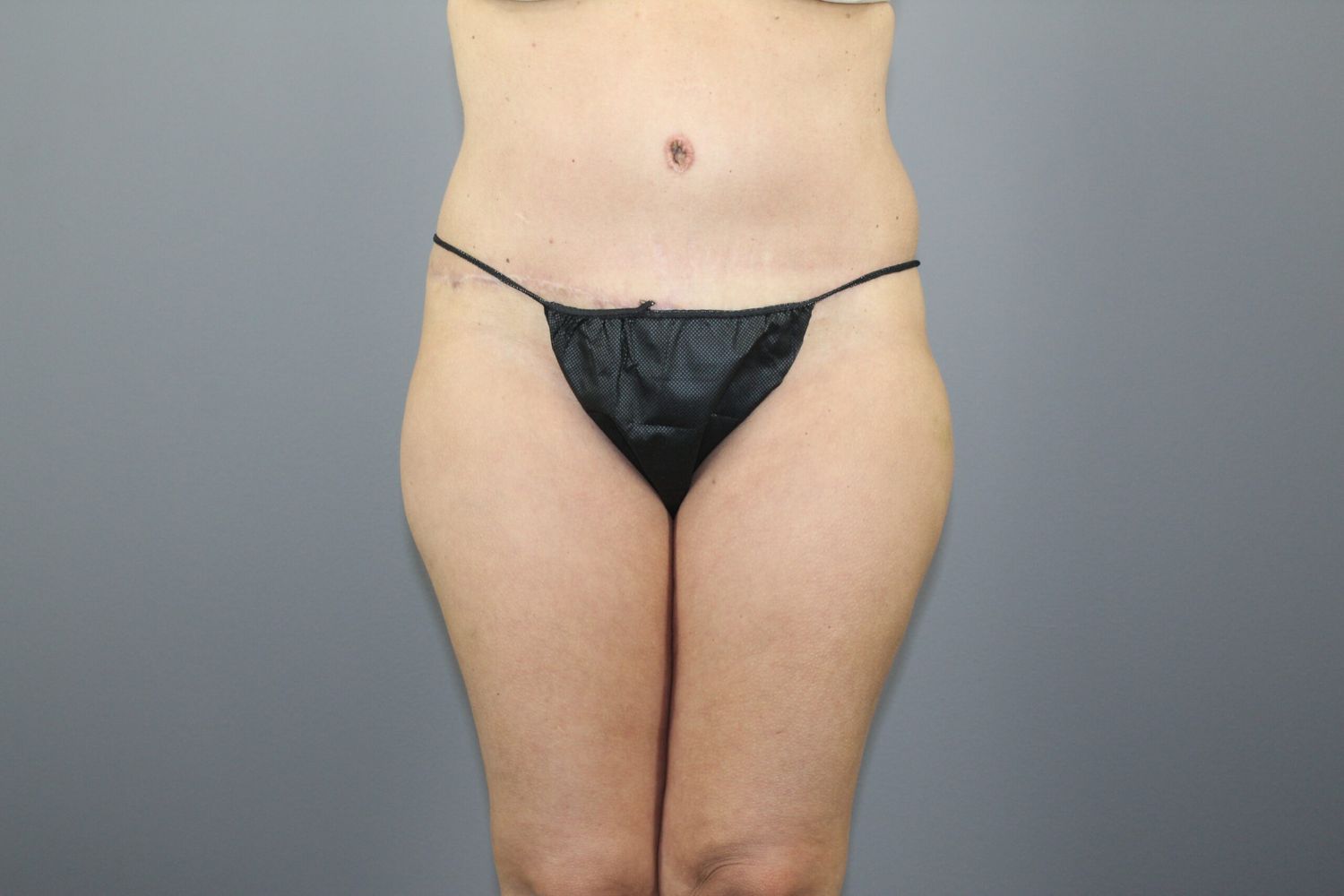
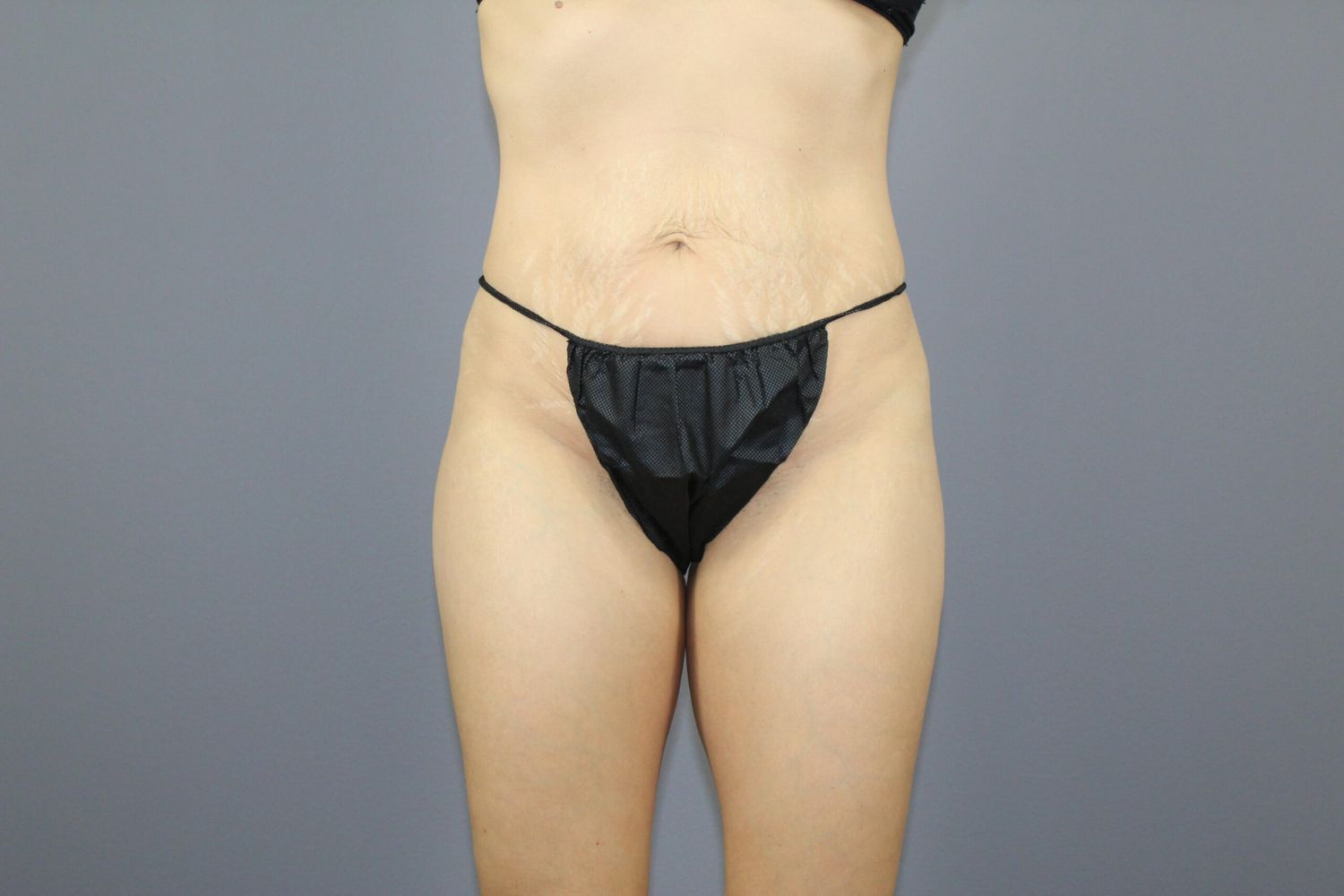
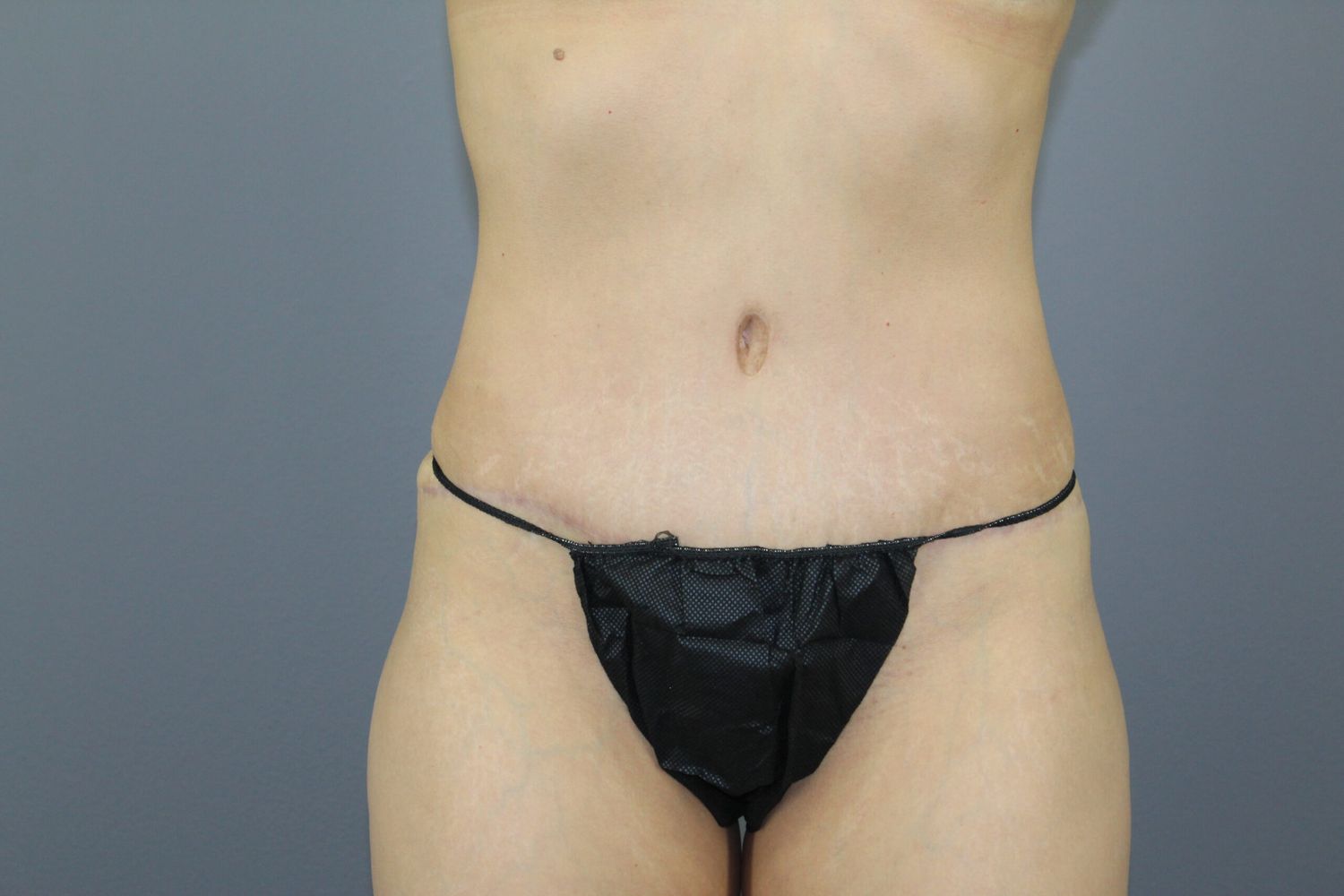
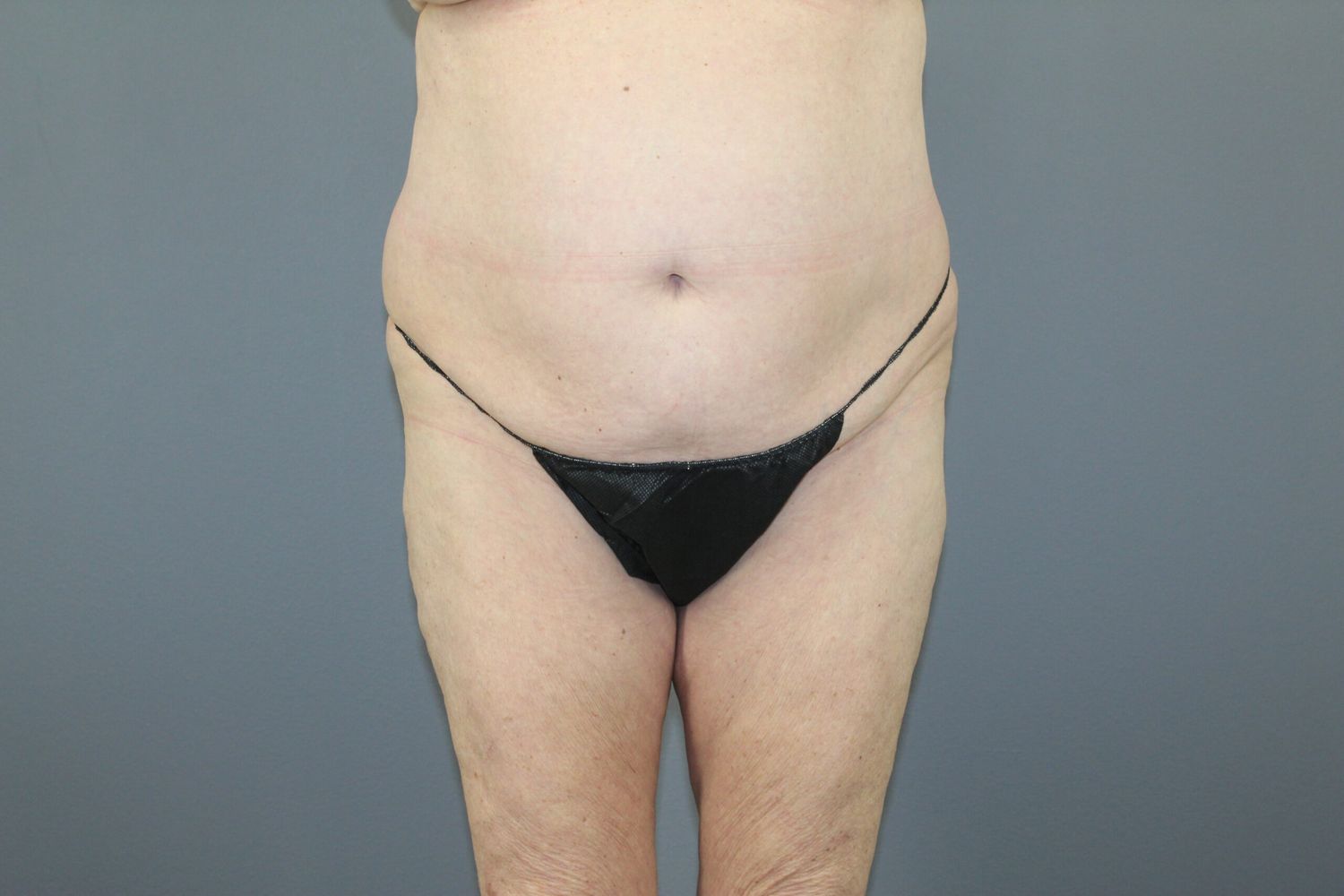
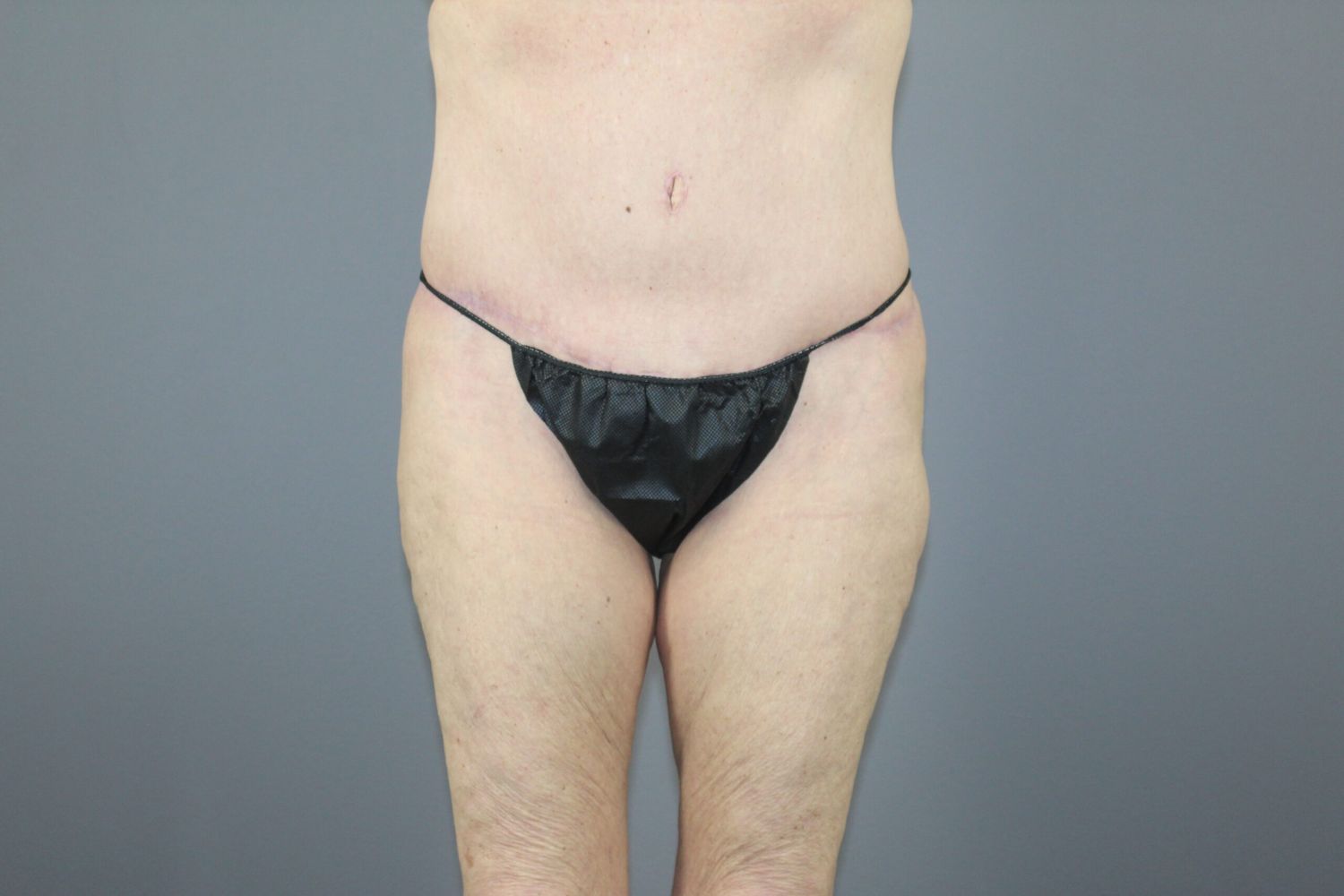
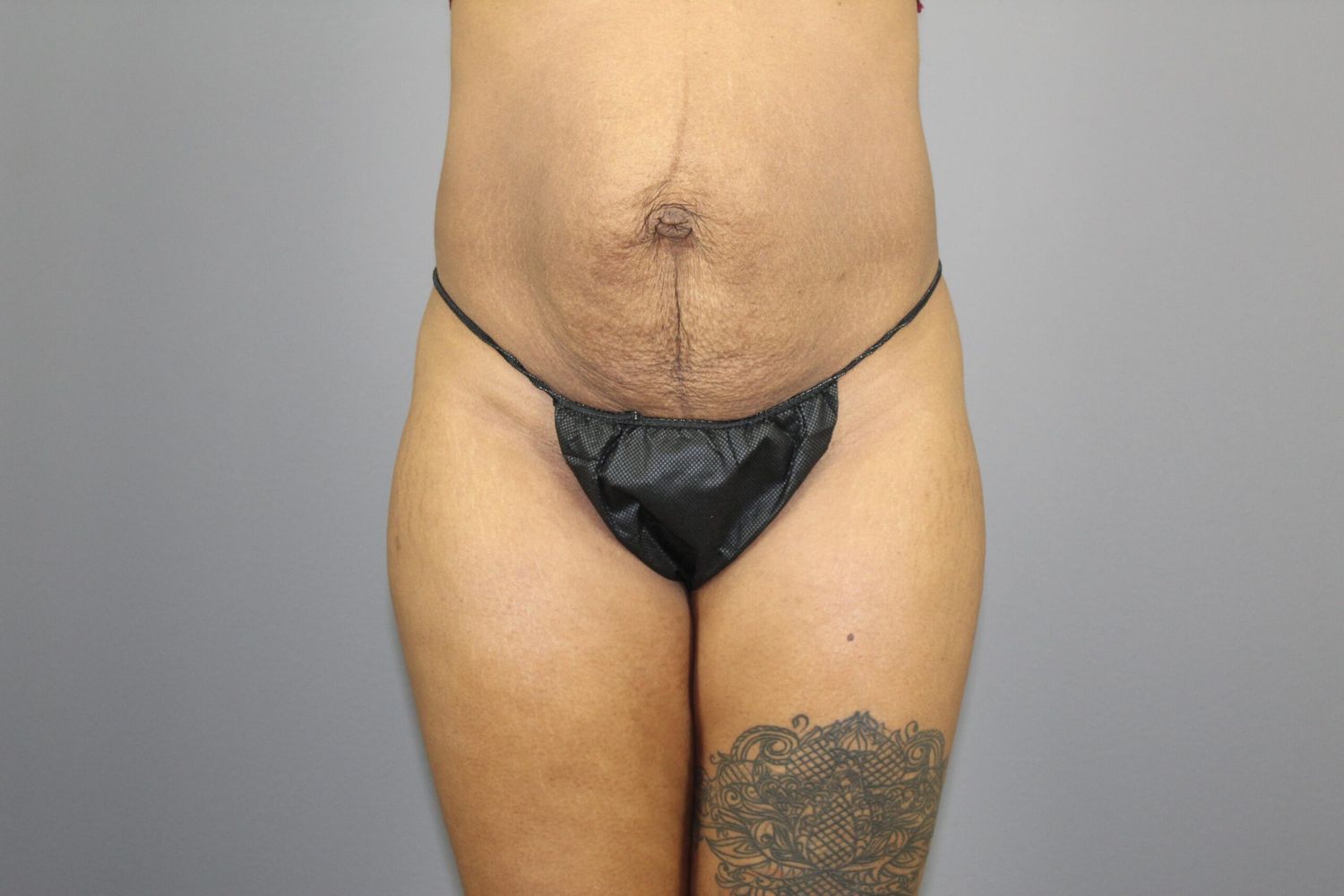
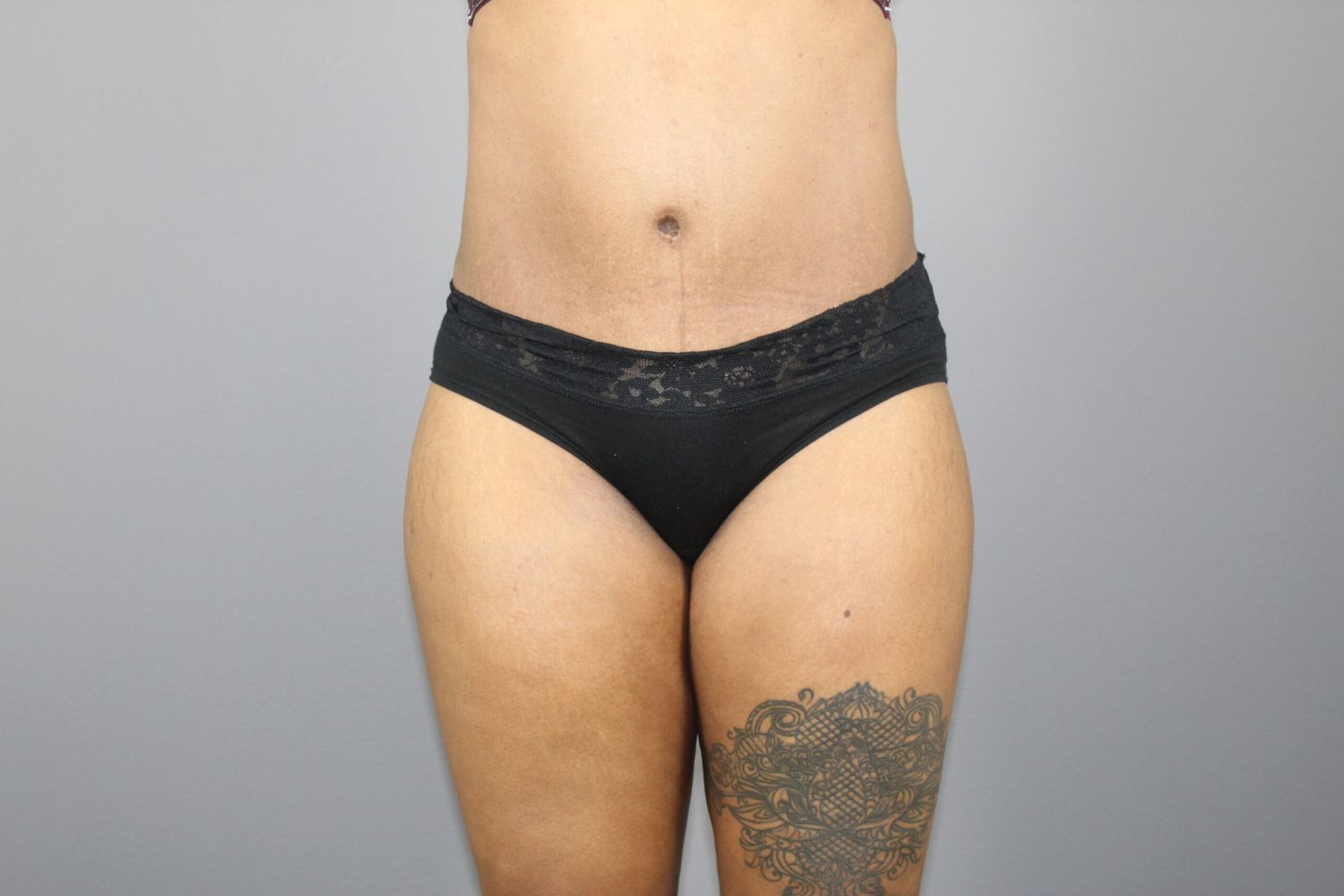
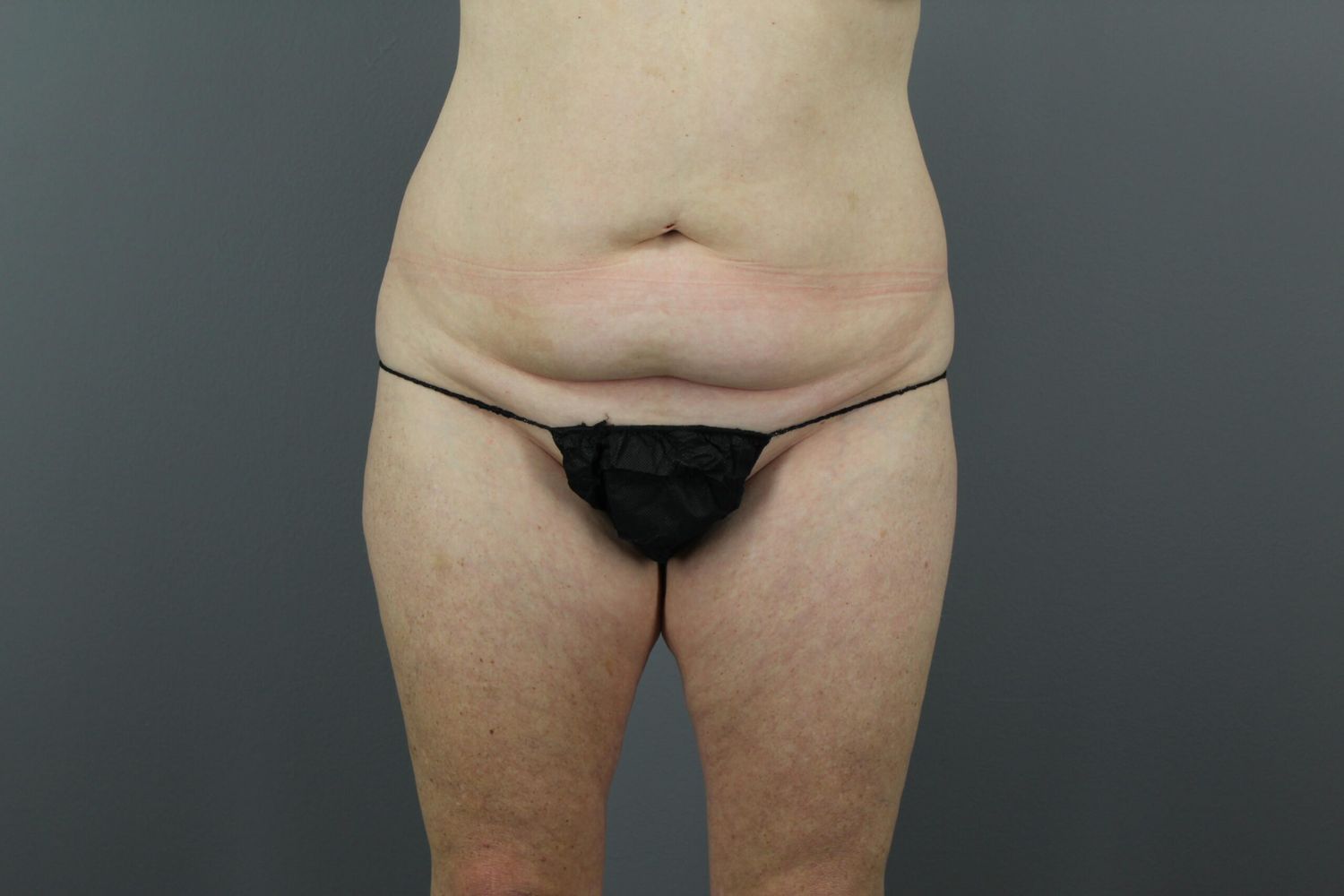
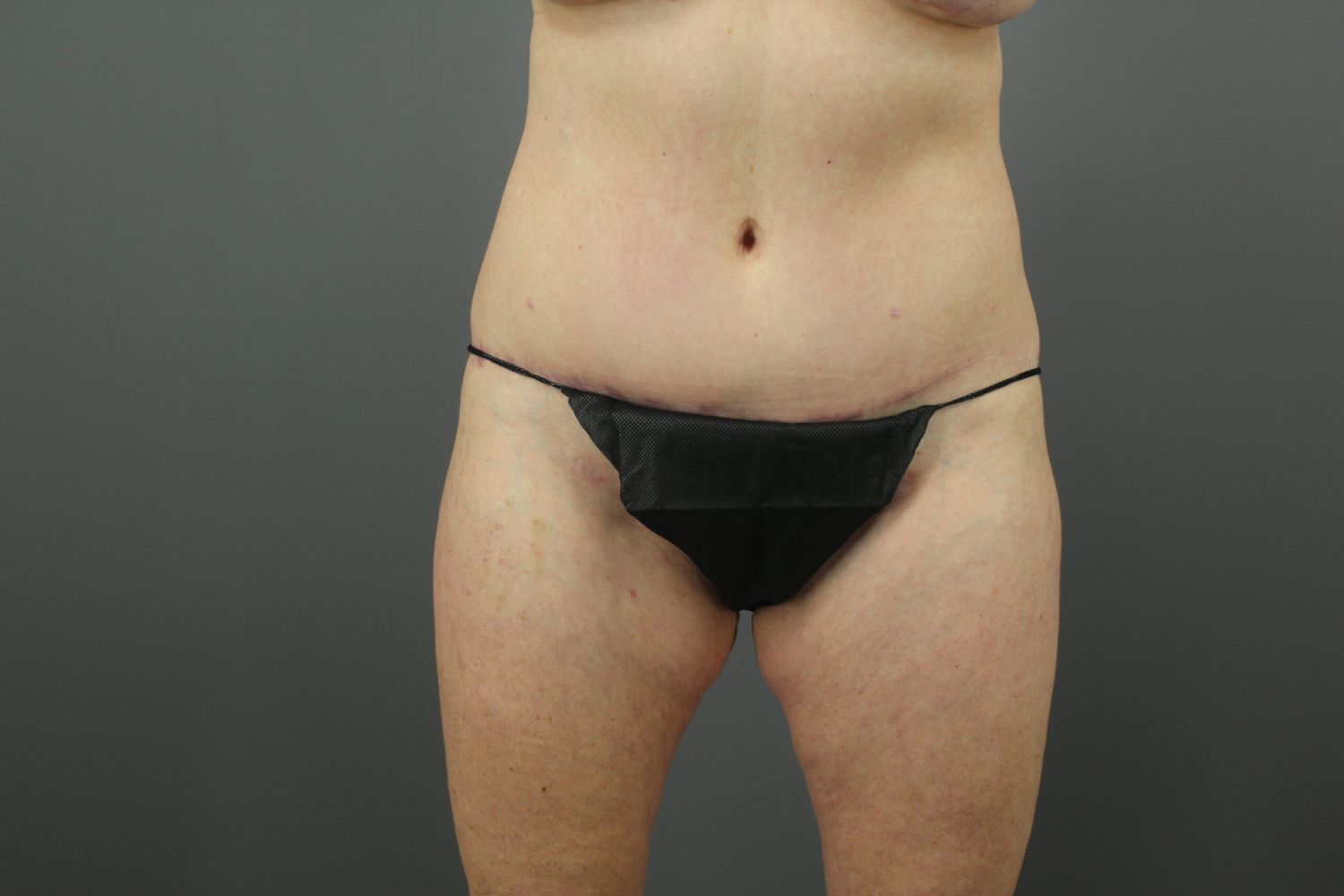
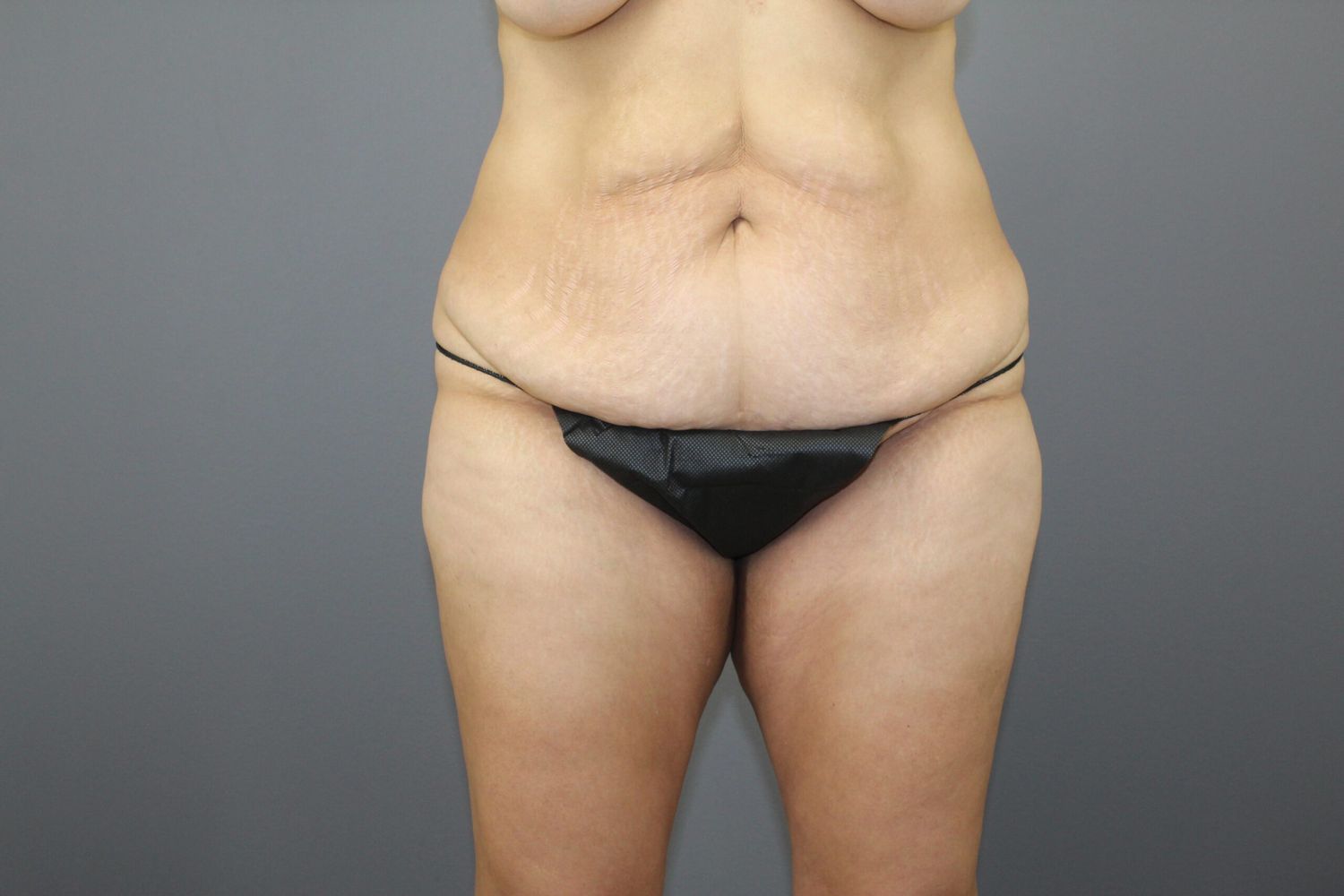
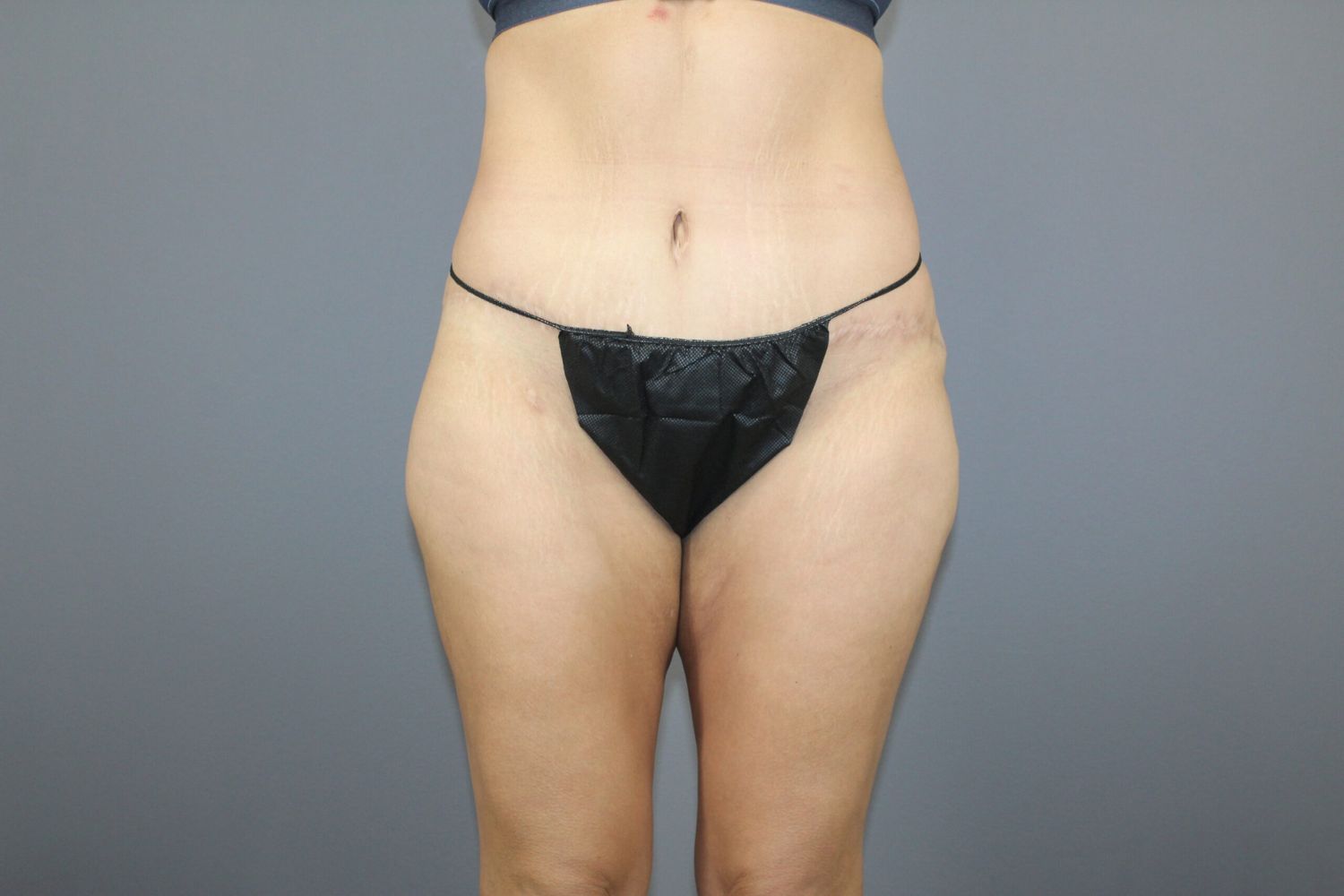
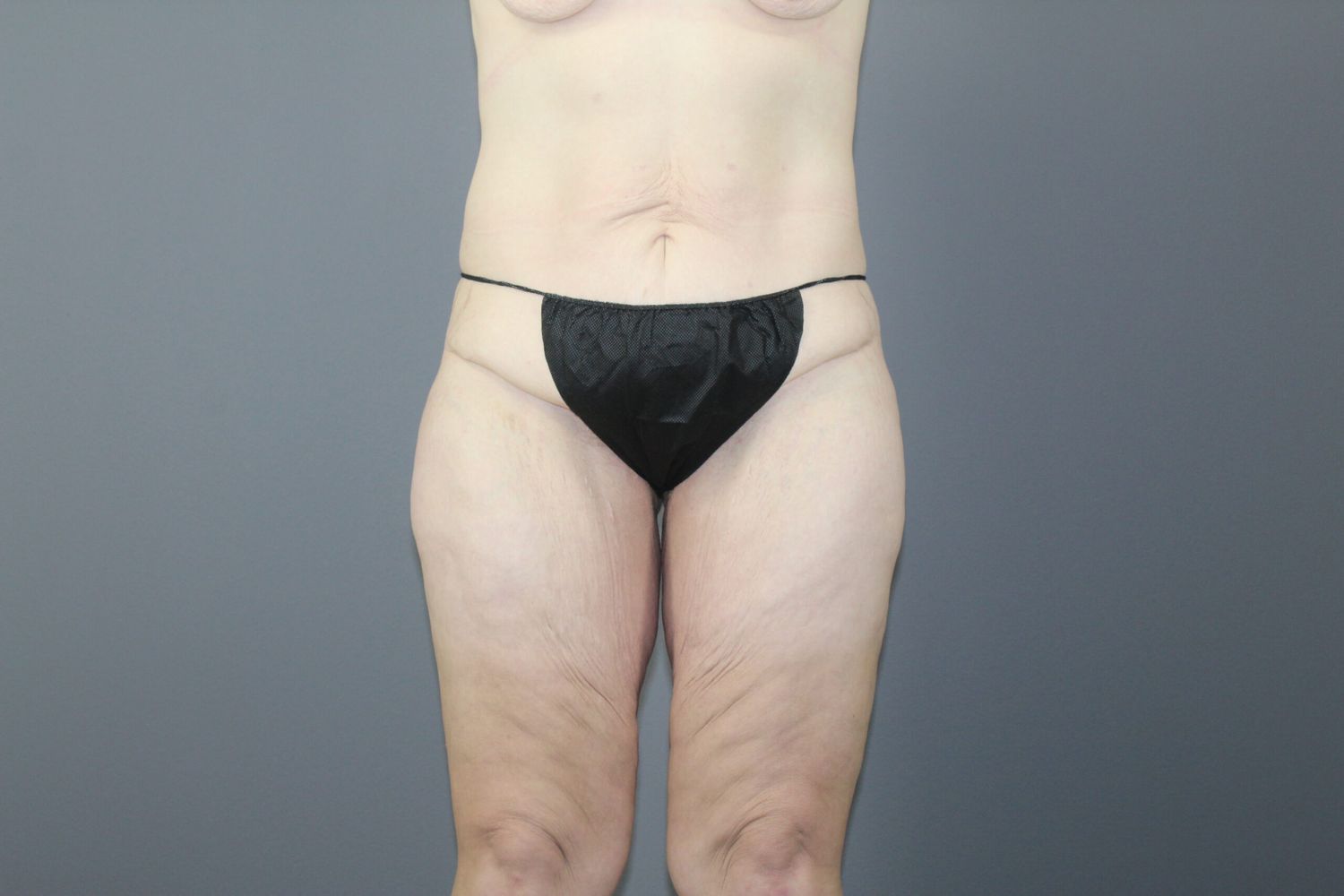
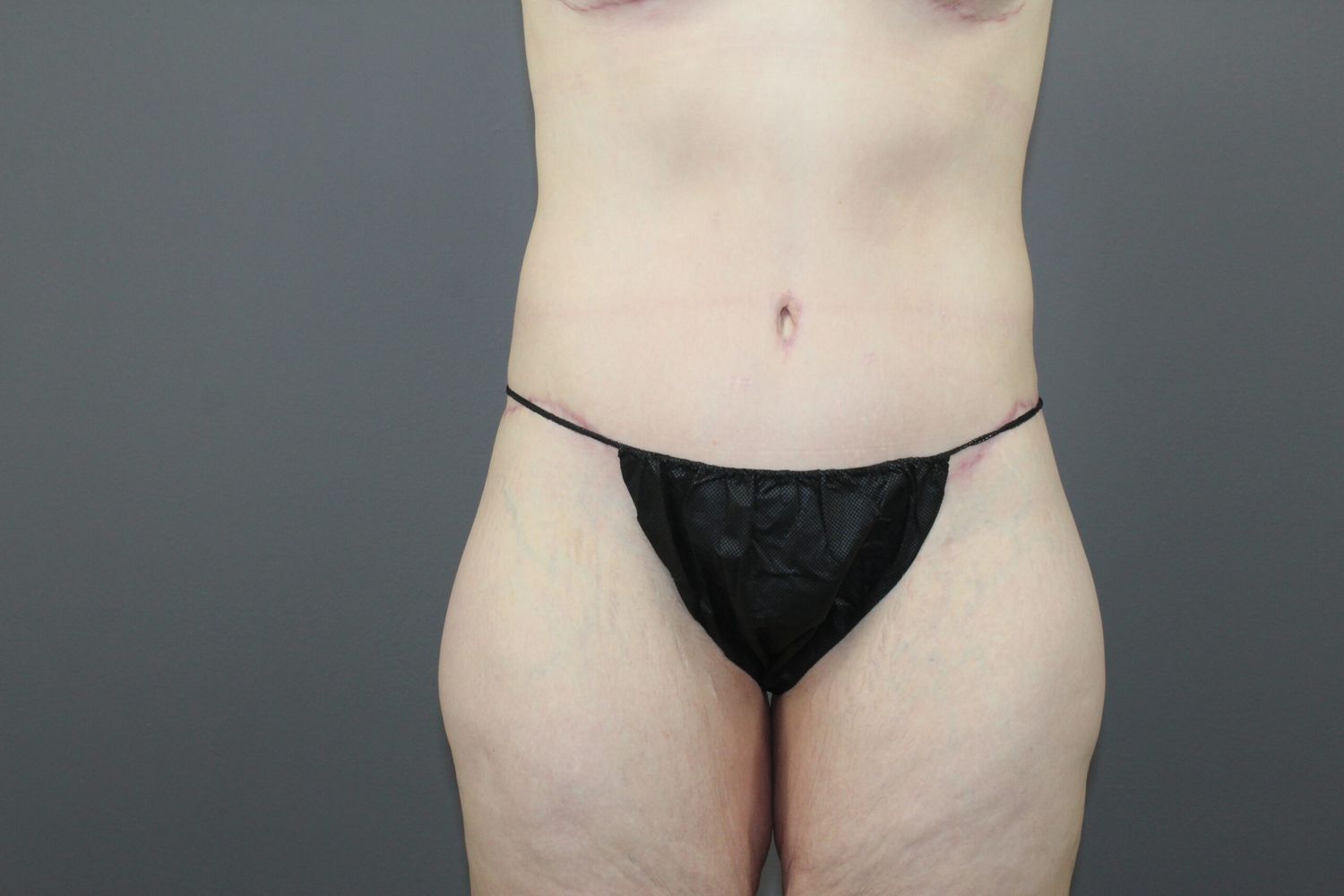
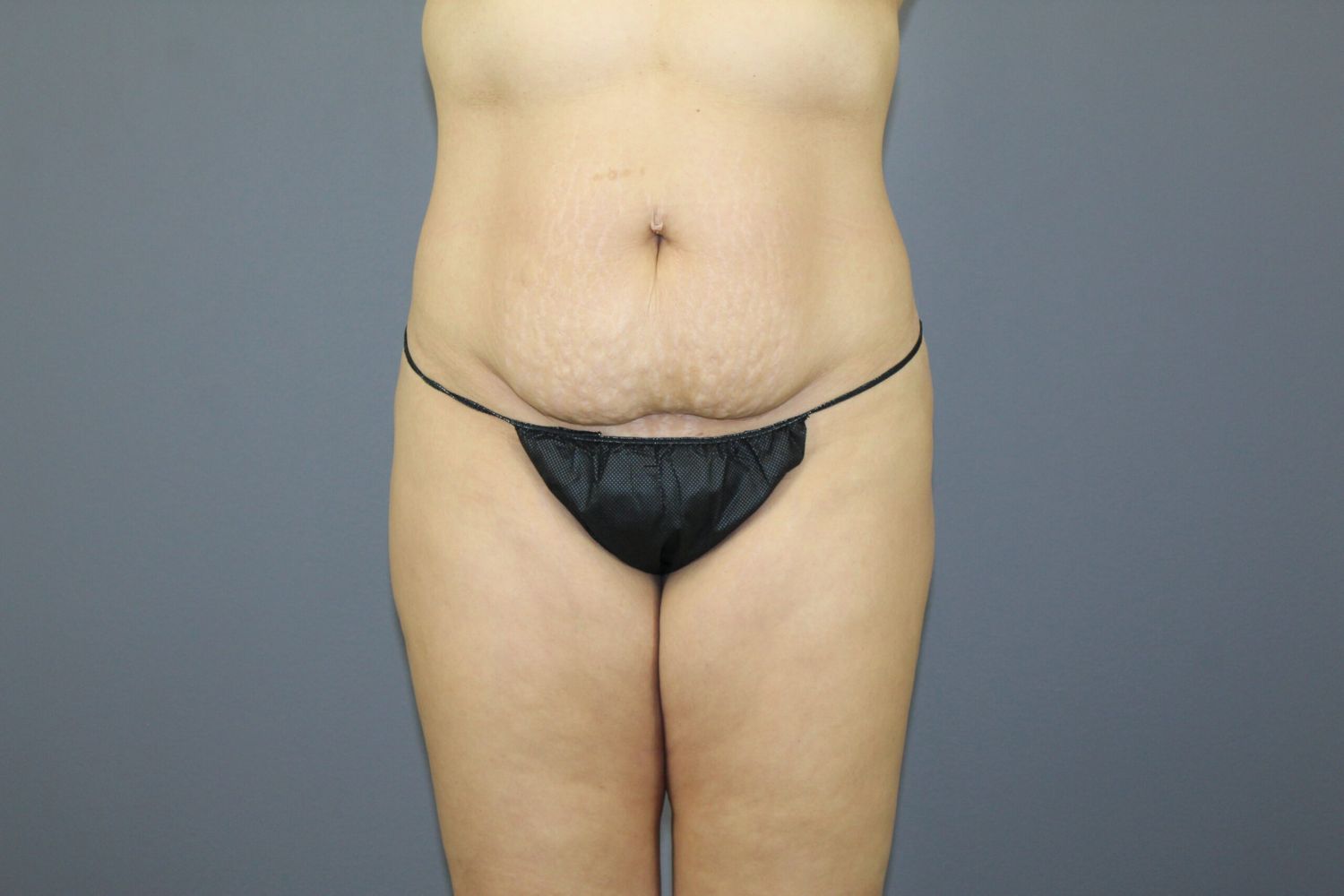
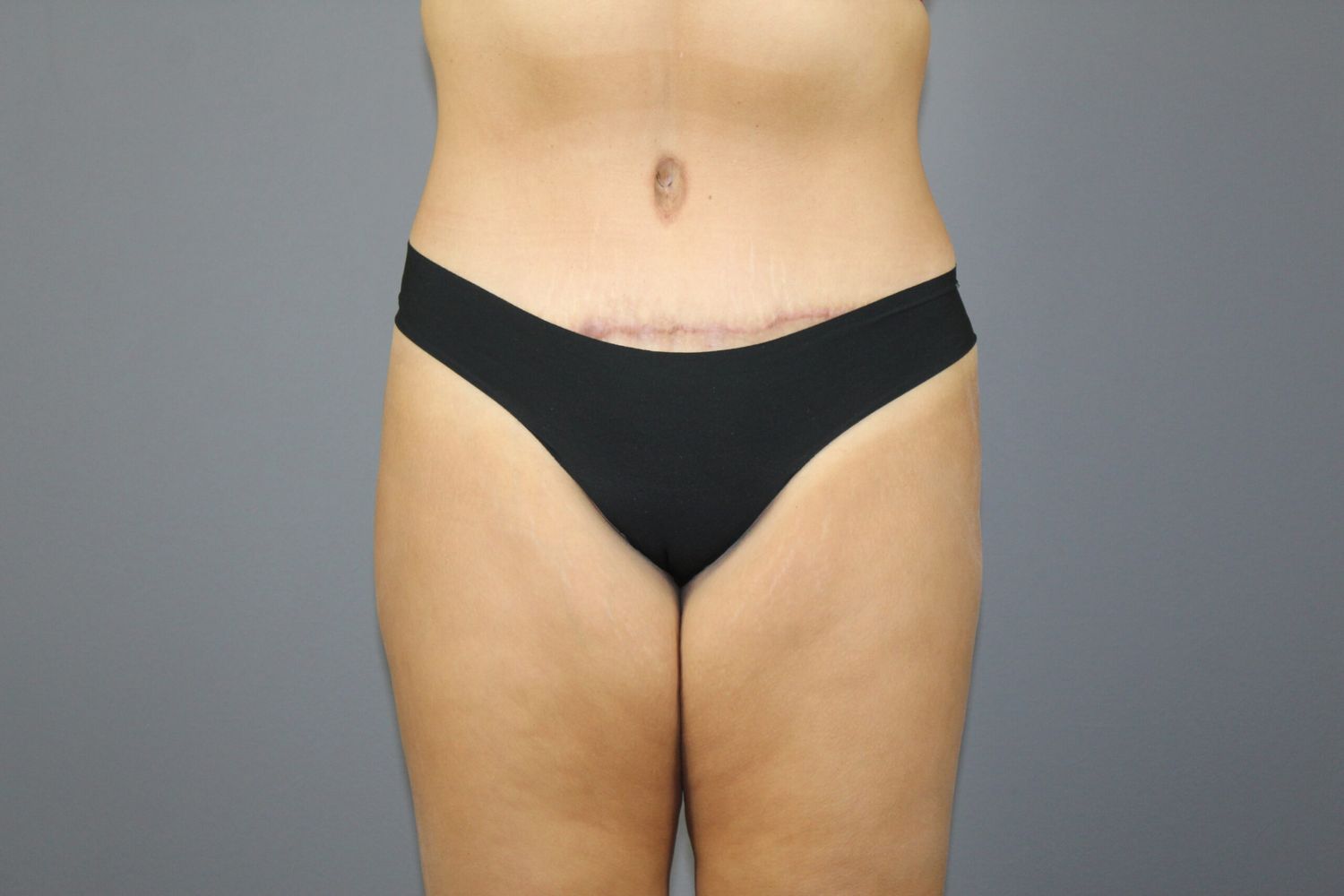
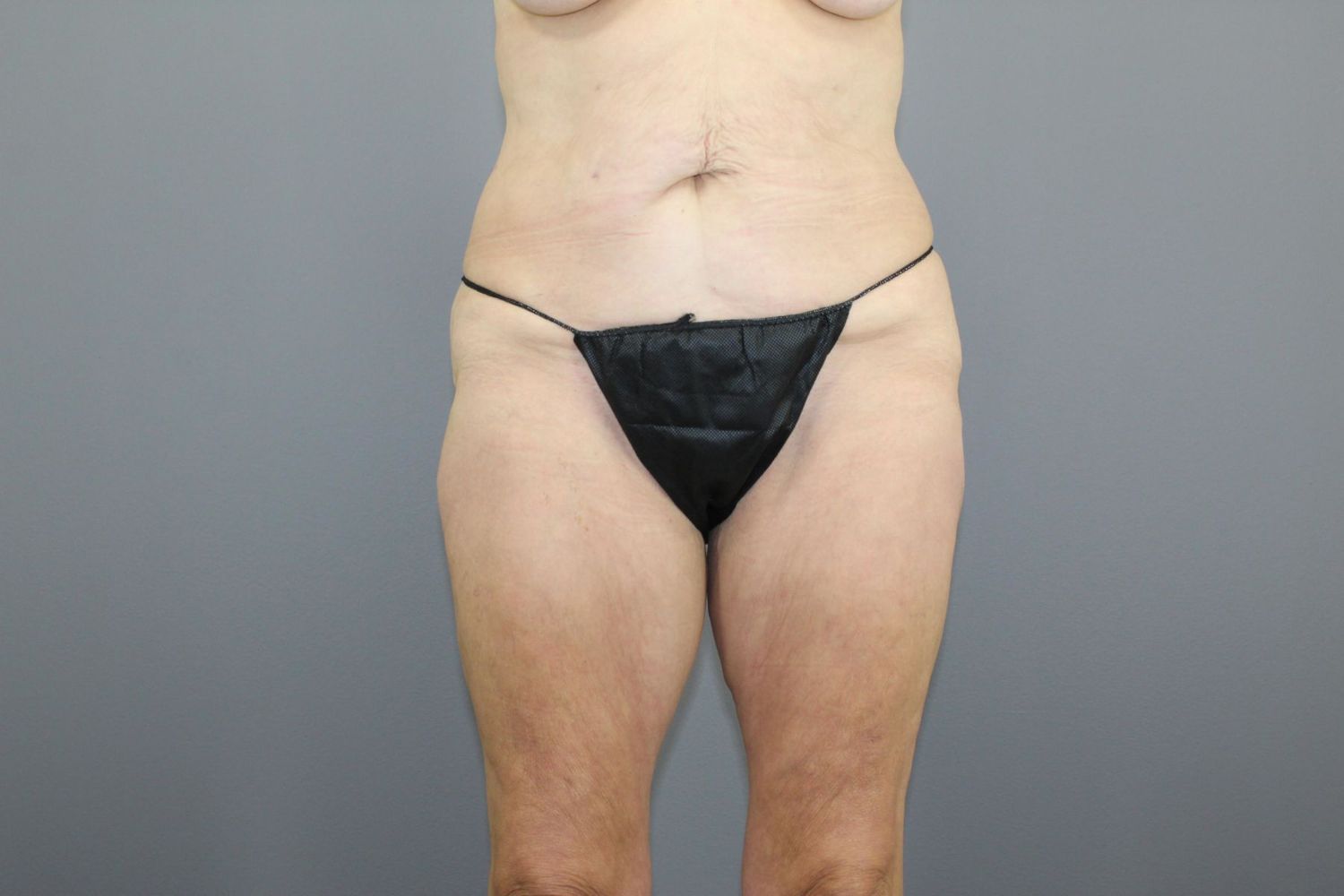
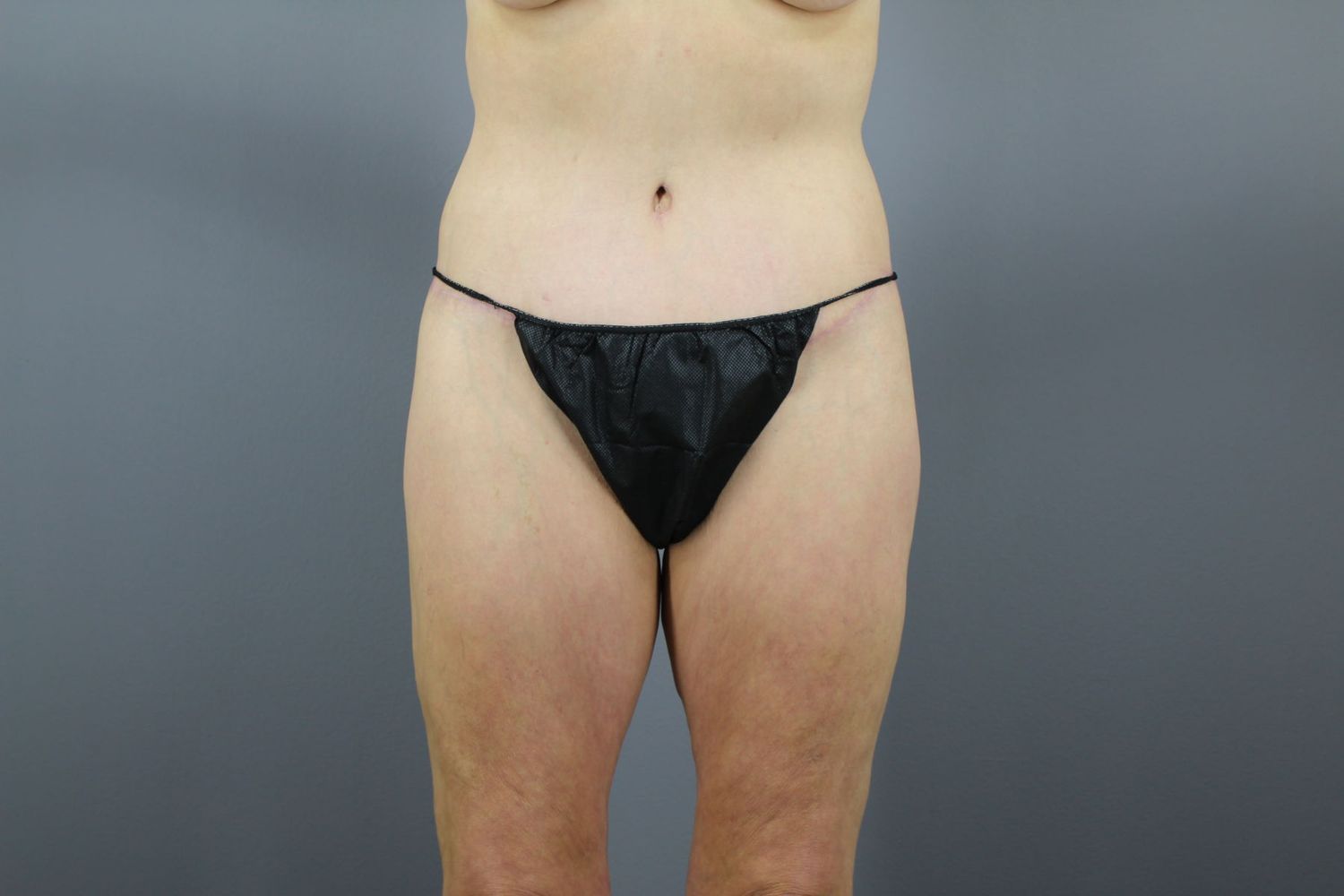
Pregnancy, weight loss, and time do not affect the abdomen in the same way they affect the scale. Many patients come in saying the same thing: the weight is down, the clothes fit better everywhere else, but the midsection still feels loose, heavy, or disconnected from the rest of the body. A tummy tuck in Houston is often the right next step when stretched skin, weakened abdominal muscles, and a persistent lower abdominal fold are not going to improve with diet, exercise, or more cardio.
At Leo Lapuerta, MD, Plastic Surgery, the tummy tuck procedure is planned around anatomy, not trends. Some patients need a limited correction for the lower abdomen. Some need full muscle repair. Some need liposuction added to smooth the waist and remove stubborn pockets of fat that sit beside loose skin. The goal is not a generic flat stomach. It is a firmer, more proportional abdominal contour that fits the rest of your frame and holds up over time.
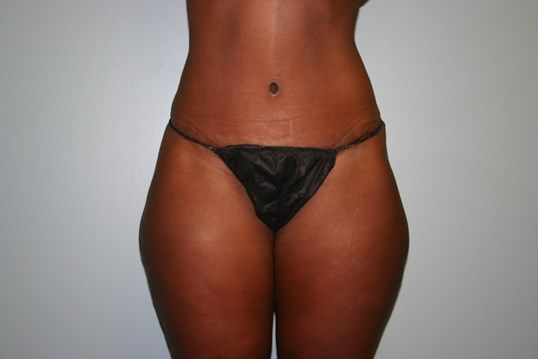
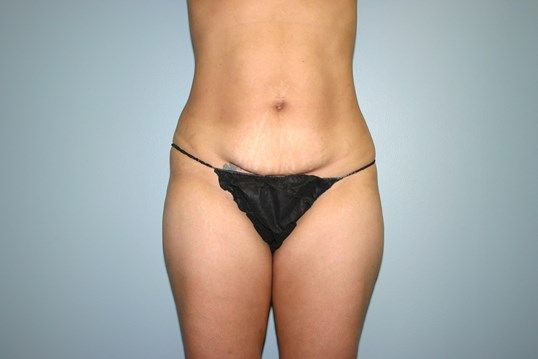
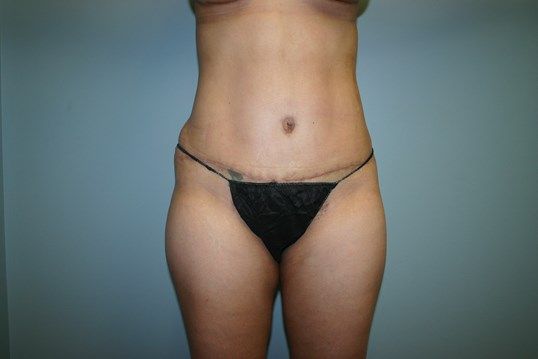
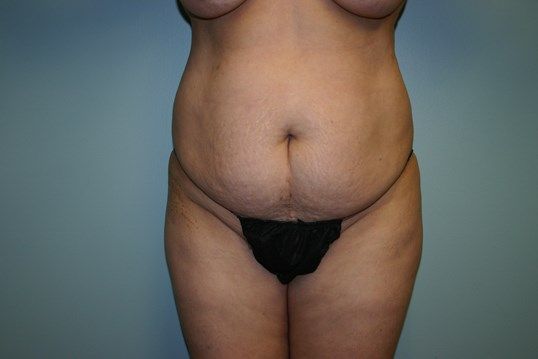
1 of 107
"I was very nervous."
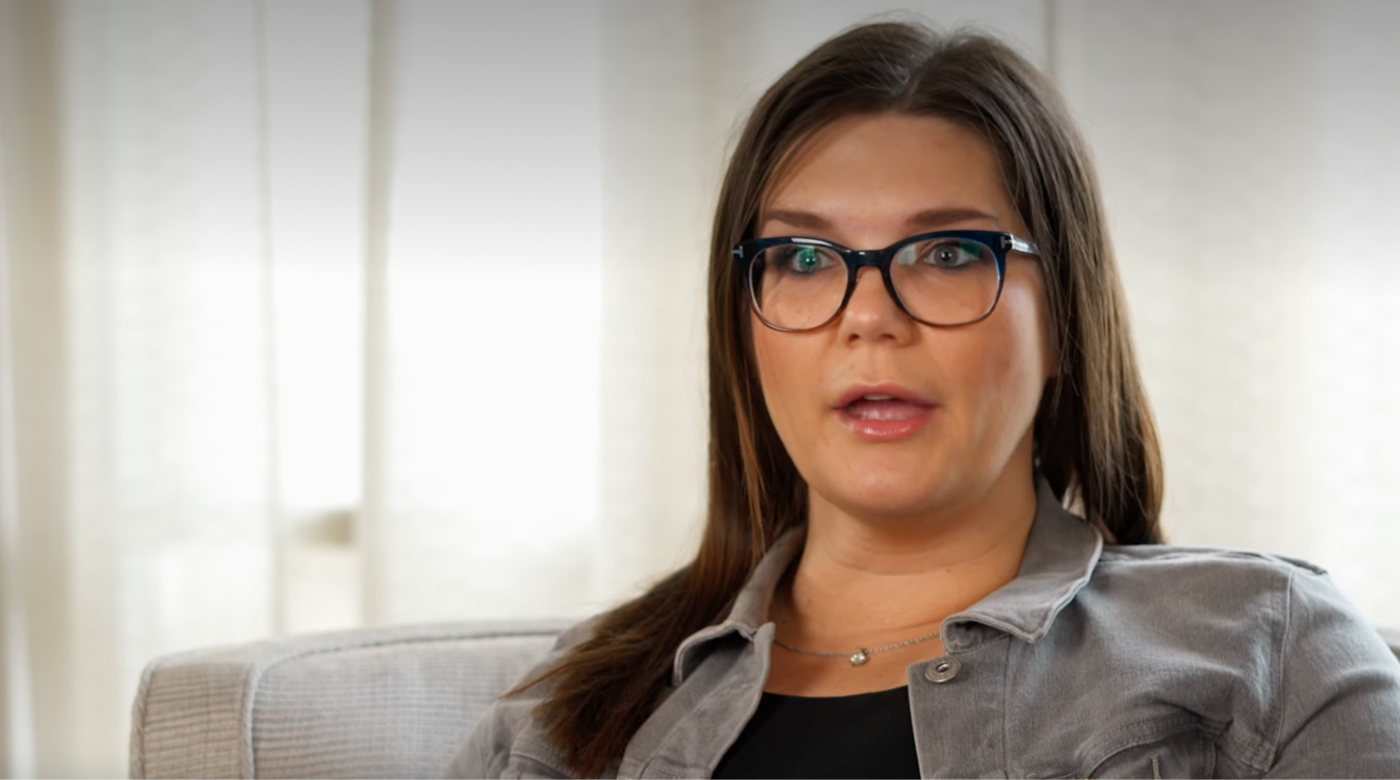
“Could not have picked a better doctor! Decided to get a tummy tuck and being my first procedure, I was very nervous. Despite this, Dr. Lapuerta and his staff were able to inform my husband and I of the entire procedure without difficulty, and we were treated with the utmost respect from beginning to end. Dr. Leo and the entire staff were very responsible and attentive during all post-op appointments. I will definitely be back for any future procedures!”
Review from N.C. | Source: Google | Nov 17, 2018 Plastic Surgery Patient

A tummy tuck, also called abdominoplasty, is a surgical procedure designed to remove excess abdominal skin, tighten weakened or separated abdominal muscles, and reshape the midsection for a flatter, firmer appearance. It is commonly performed after pregnancy, significant weight loss, or major weight changes that leave behind loose skin and abdominal wall laxity.
A tummy tuck is different from liposuction alone. Liposuction can reduce stubborn belly fat and stubborn fat, but it does not fix muscle separation, tighten the abdominal wall, or remove hanging skin. When the issue is excess skin and fat, a stretched belly button area, and lax support in the center of the body, tummy tuck surgery is often the more complete answer.

Category | Details |
|---|---|
| Best for | Excess skin, excess abdominal skin, muscle laxity, lower abdominal fullness, skin redundancy after pregnancy or weight loss |
| Treatment type | Cosmetic surgical procedure / body contouring |
| Common areas treated | Lower abdomen, central abdominal area, waistline when paired with targeted liposuction |
| Anesthesia | Usually general anesthesia |
| Downtime | Most patients need a true recovery period with lifting and activity restrictions |
| Pain level | Usually manageable with pain medication and later prescribed medications as needed |
| Treatment length | Depends on whether the plan is mini, full, or extended tummy tuck, and whether other procedures are combined |
| When results appear | Early contour change is visible right away, but swelling improves gradually during the healing process |
| How long results last | Long-lasting with stable weight, a healthy lifestyle, and no future pregnancy-related stretching |
| Scar note | Scar is typically placed low near the pubic hairline and underwear line |
| Garment note | A compression garment is often used to help reduce swelling and support healing |
| Cost note | Tummy tuck cost reflects complexity, muscle repair, anesthesia, facility, and whether liposuction or breast surgery is included |

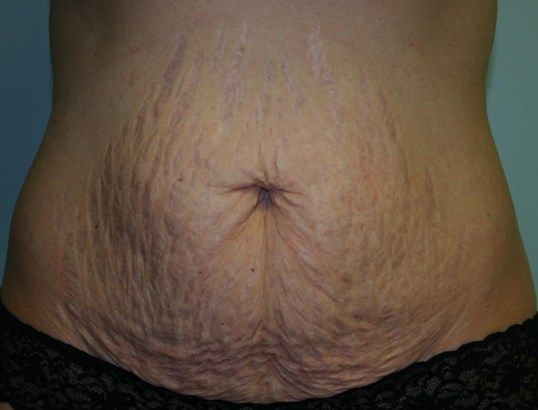
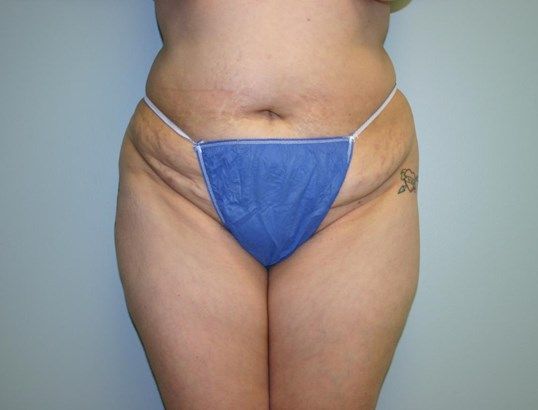
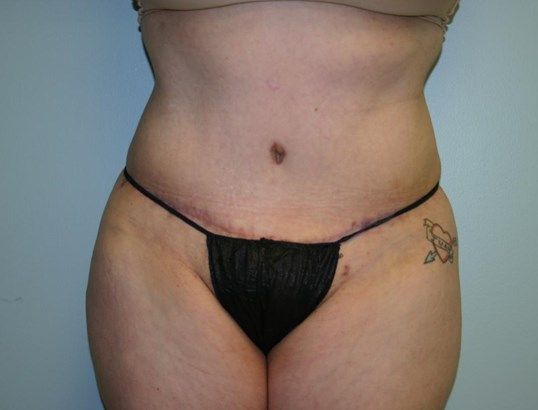
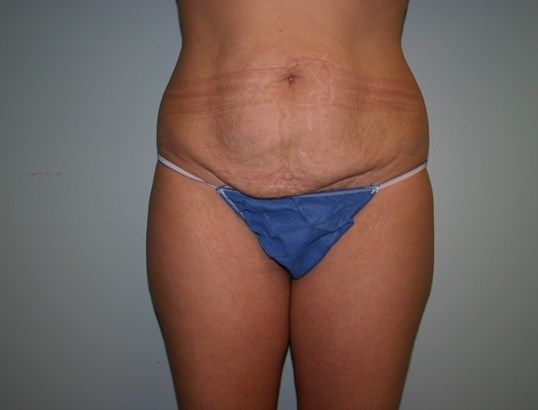
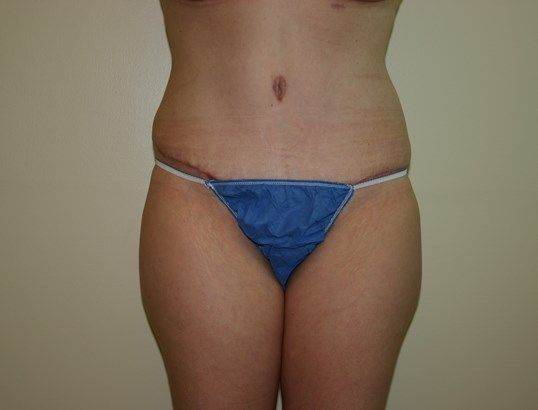
A tummy tuck procedure treats structural abdominal changes that cannot be corrected with exercise alone.
With a tummy tuck Houston patients may see improvements in the following areas:
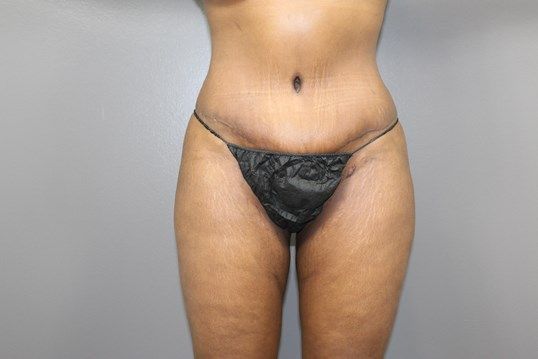
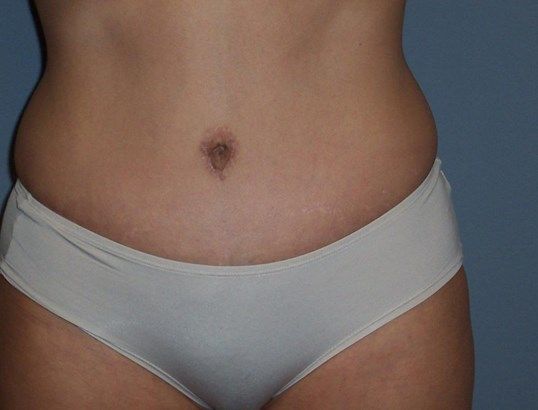
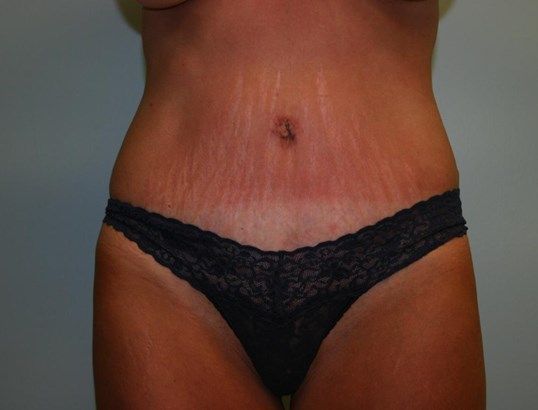
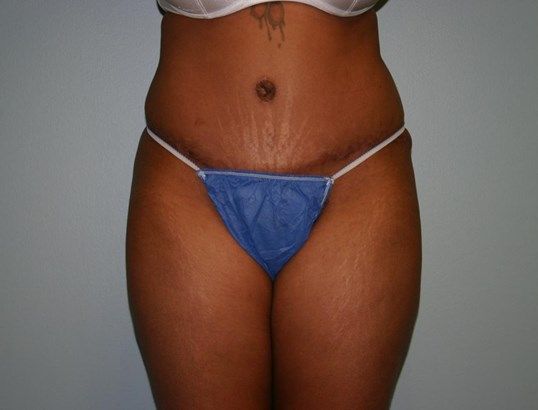
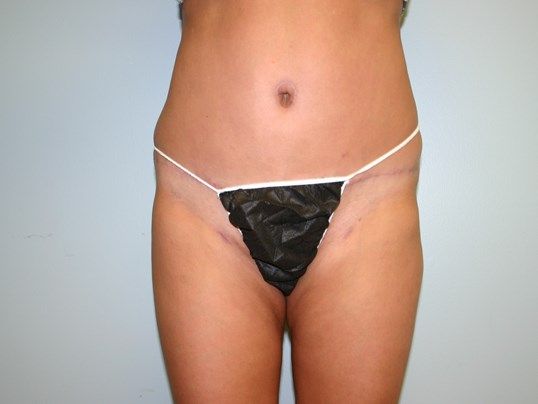
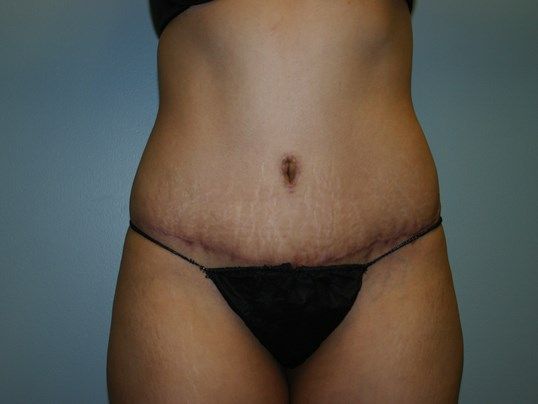
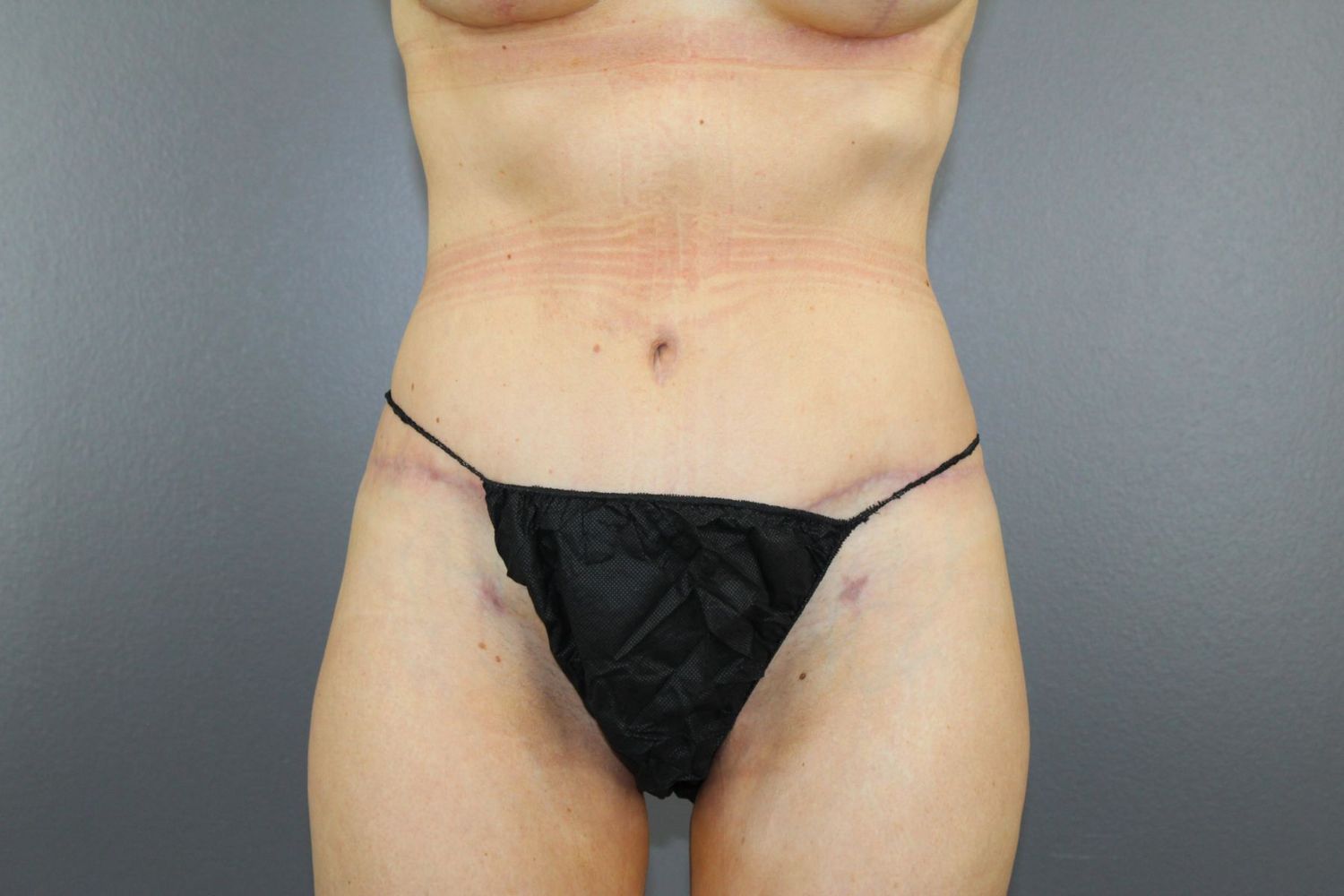
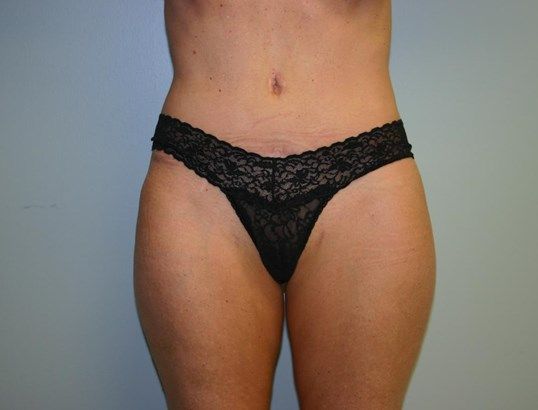
For the right patient, surgery can create a firmer abdominal contour, a flatter stomach, and a more defined transition between the waist and lower torso.
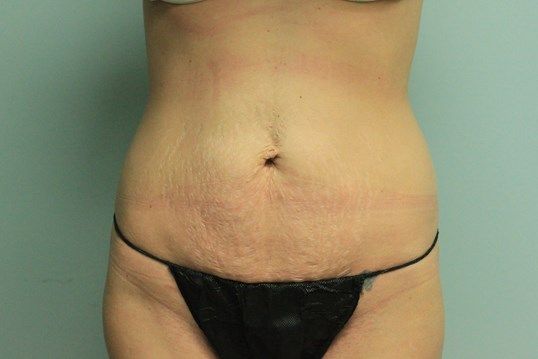
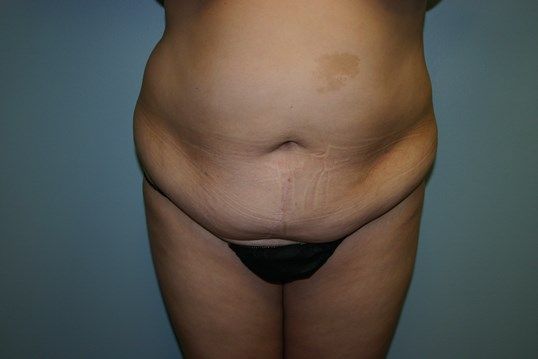
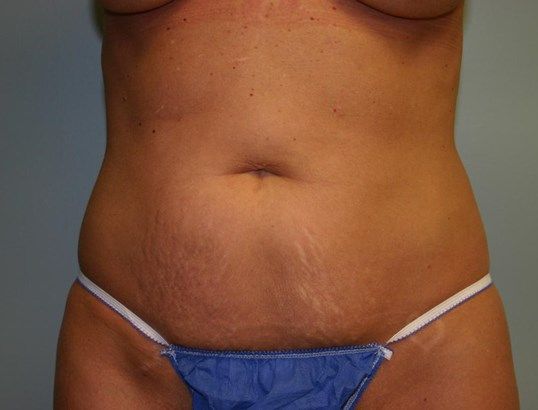
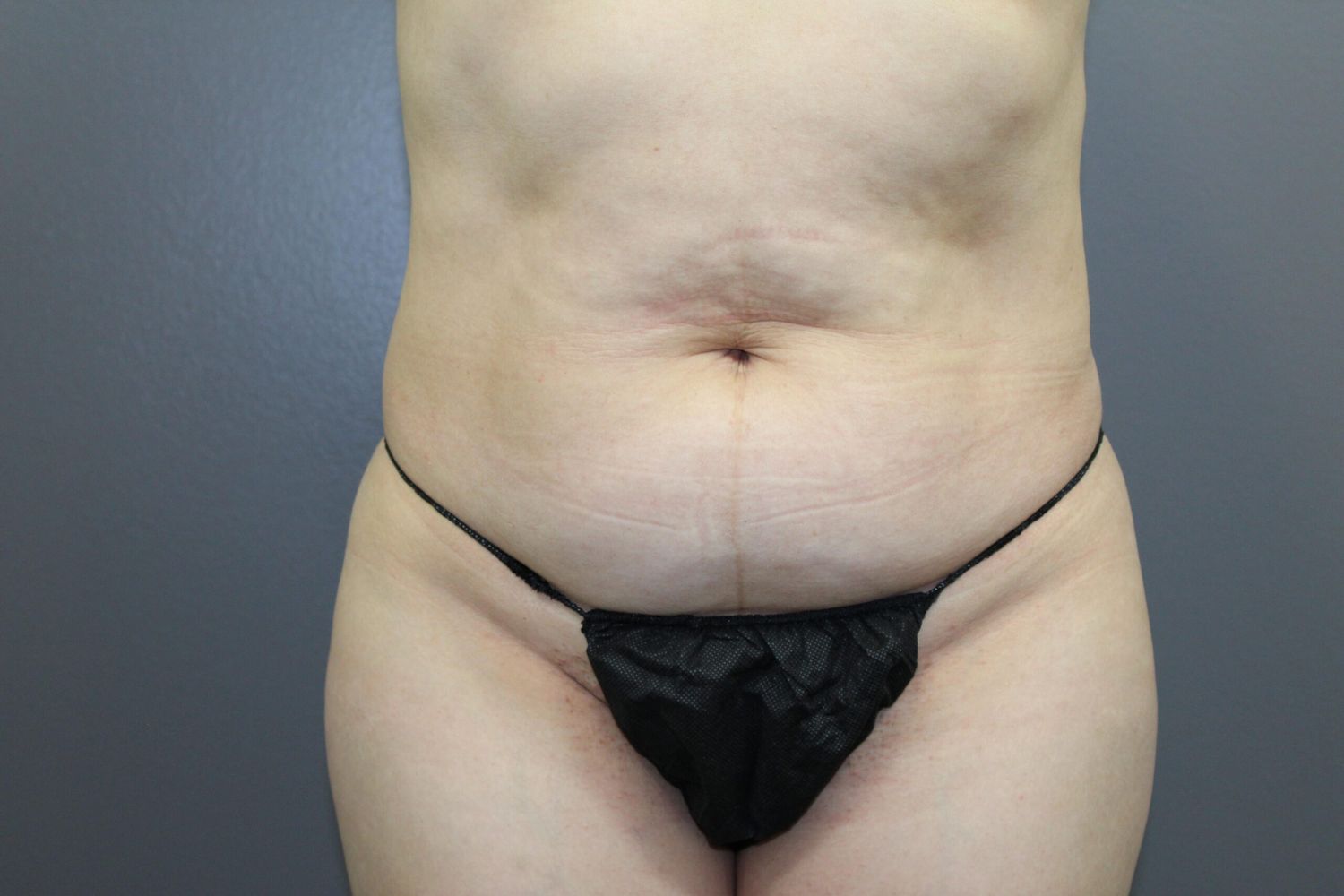
This is the area most patients notice first. A tummy tuck can remove loose skin and fullness below the navel, especially when the lower belly bulges or folds despite exercise.
A full tummy tuck also addresses the central abdominal wall, including underlying abdominal muscles that have stretched apart. This is where muscle repair matters most.
In a standard or traditional abdominoplasty, the skin is redraped and the belly button is usually brought through a new opening so the contour looks natural after removing excess skin.
The tummy tuck itself focuses on the front of the abdomen. Many patients add targeted liposuction to the waist or flanks to support smoother body contouring and a more sculpted abdomen.
What Are The Benefits Of A Tummy Tuck?
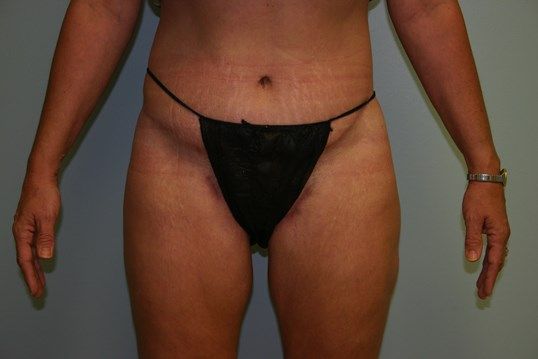
The biggest benefit of a tummy tuck is not simply that the abdomen looks flatter. It is that the contour makes more sense again. The skin sits better. The waist reads more cleanly in clothing. The center of the body feels supported.
Benefits may include:
Some stretch marks on the lower abdominal skin may also be removed if they sit within the tissue being excised, though surgery is not primarily a stretch mark treatment.

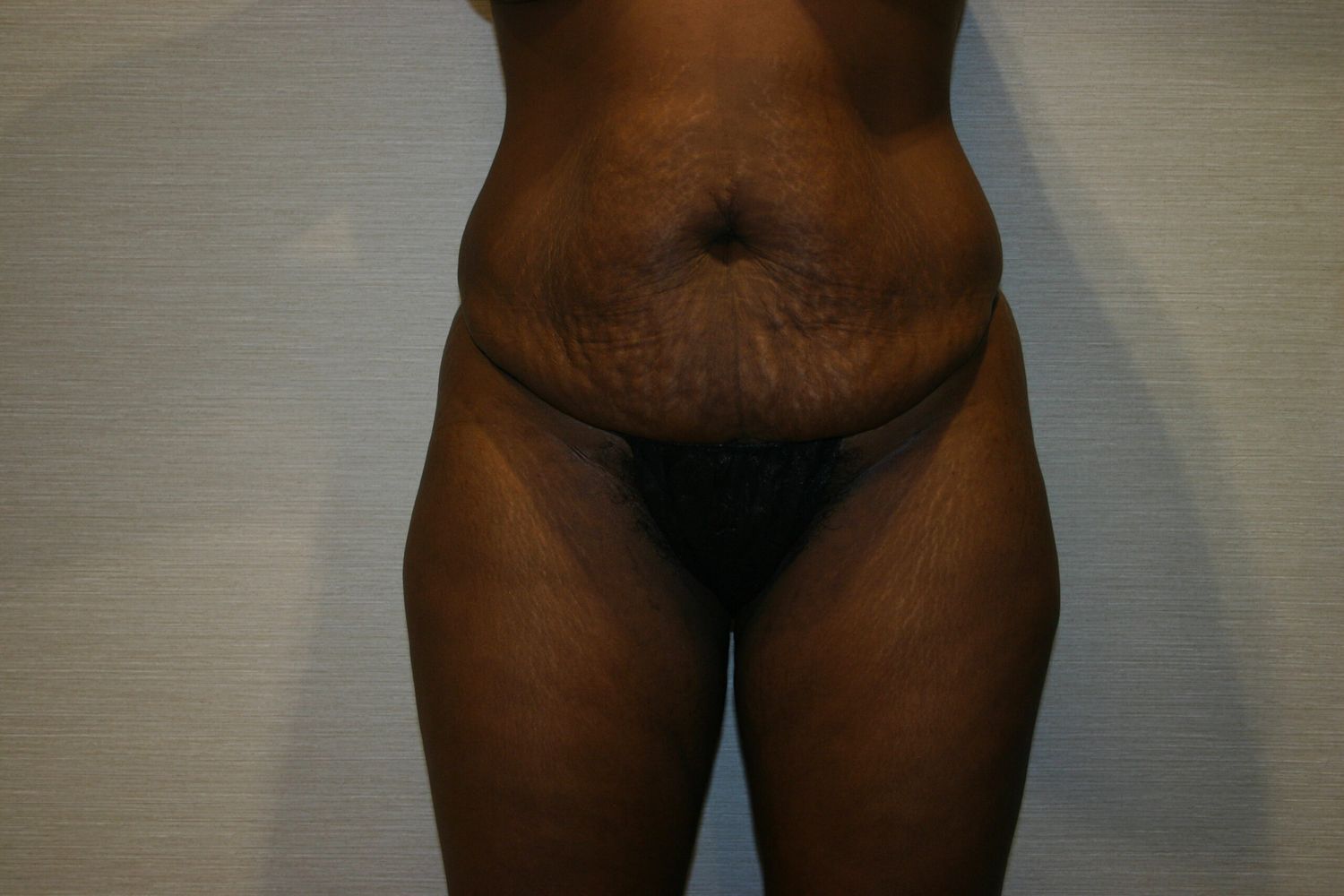
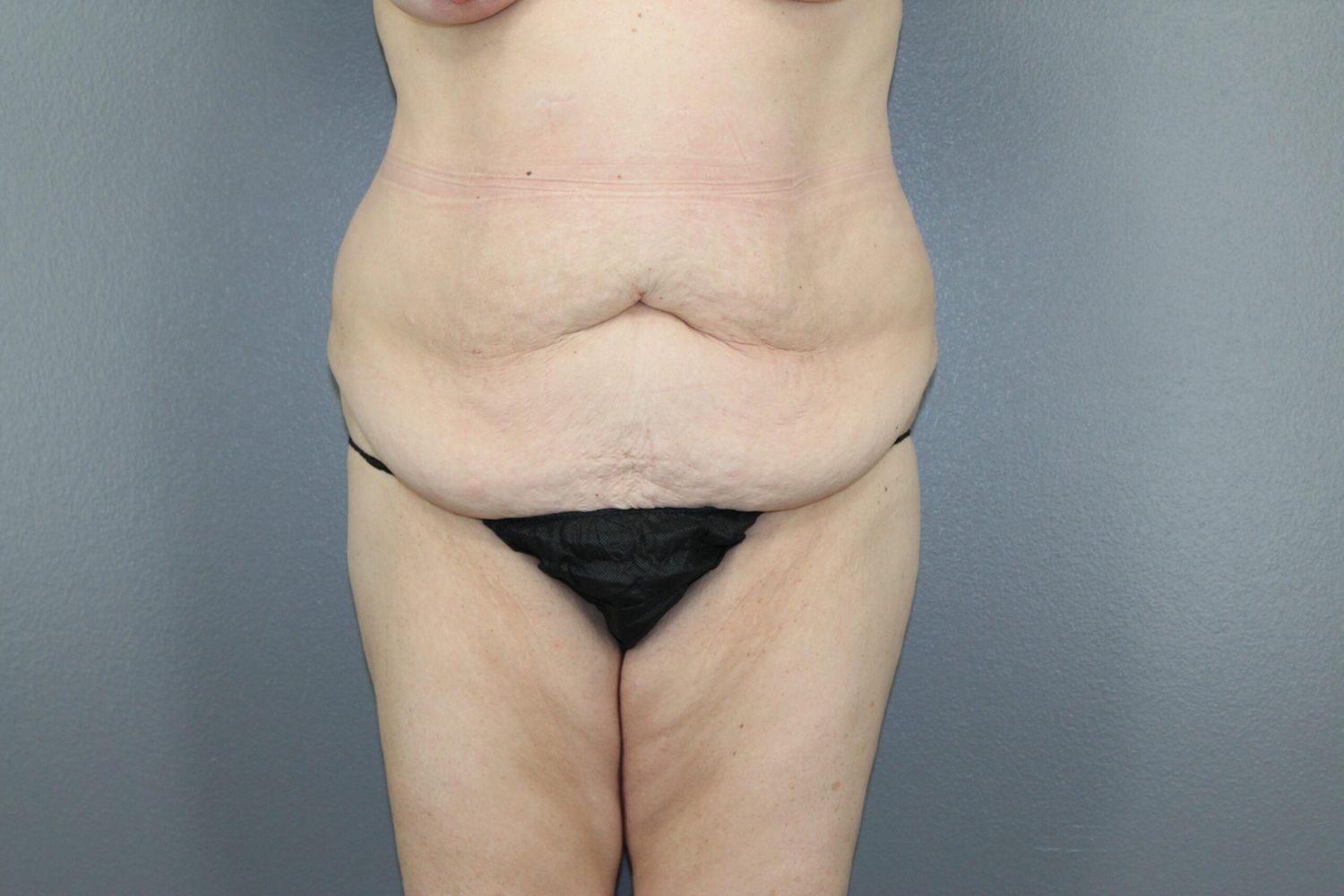
A good tummy tuck candidate is usually close to their goal weight but still bothered by changes that weight loss alone cannot fix. In most cases, the issue is not a lack of effort. It is the condition of the skin and support layer after stretching has already happened.
Not every patient needs the same operation. The best plan depends on where the skin excess sits, how much muscle laxity is present, and whether the tissue changes stop below the belly button or extend farther around the torso.
A mini tummy tuck is best for patients with minimal excess skin limited to the lower abdomen. It may help with a small pouch below the navel, but it does not address more extensive upper abdominal laxity the way a full operation does.
A full tummy tuck is the most common approach. It allows treatment of the entire lower abdominal skin envelope, repair of underlying abdominal muscles, and reshaping of the navel area. For many women after pregnancy, this is the most effective form of tummy tuck surgery.
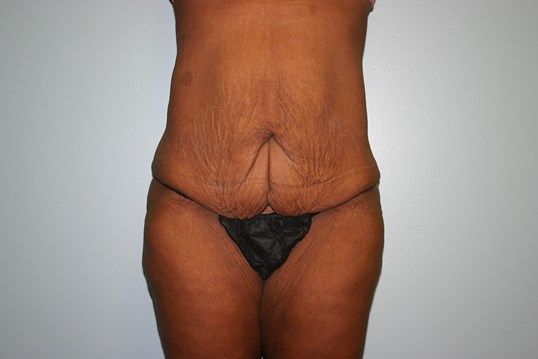
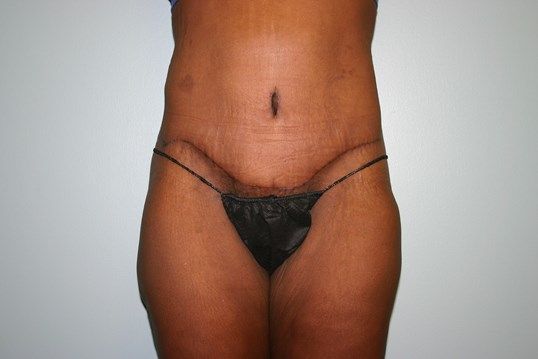
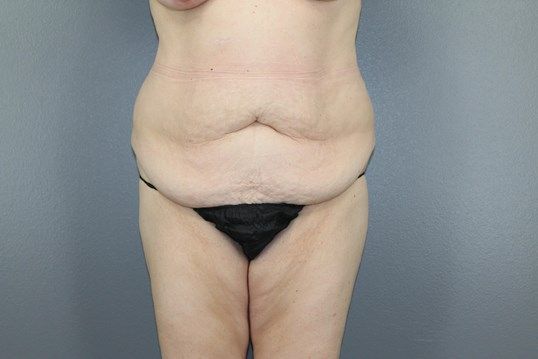
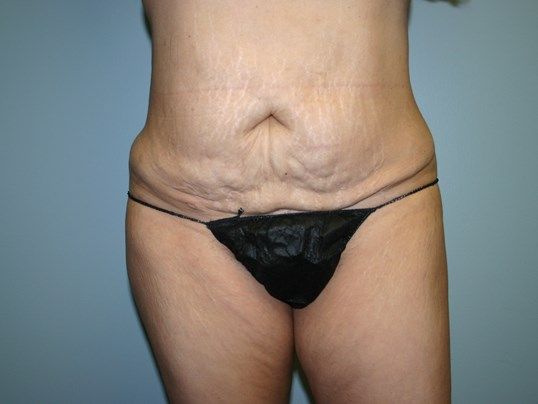
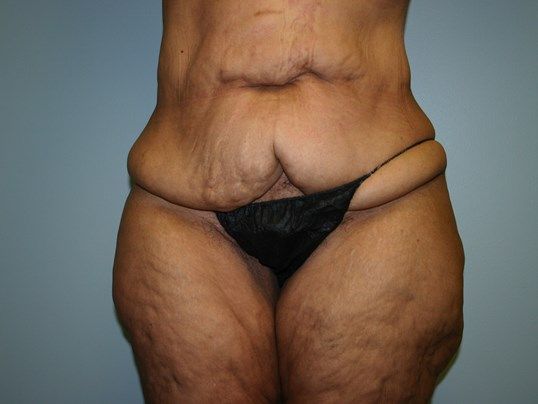
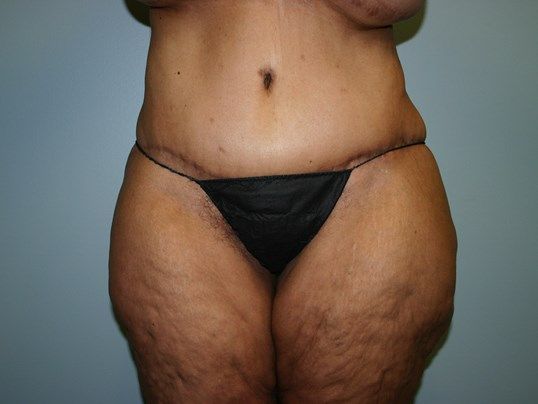
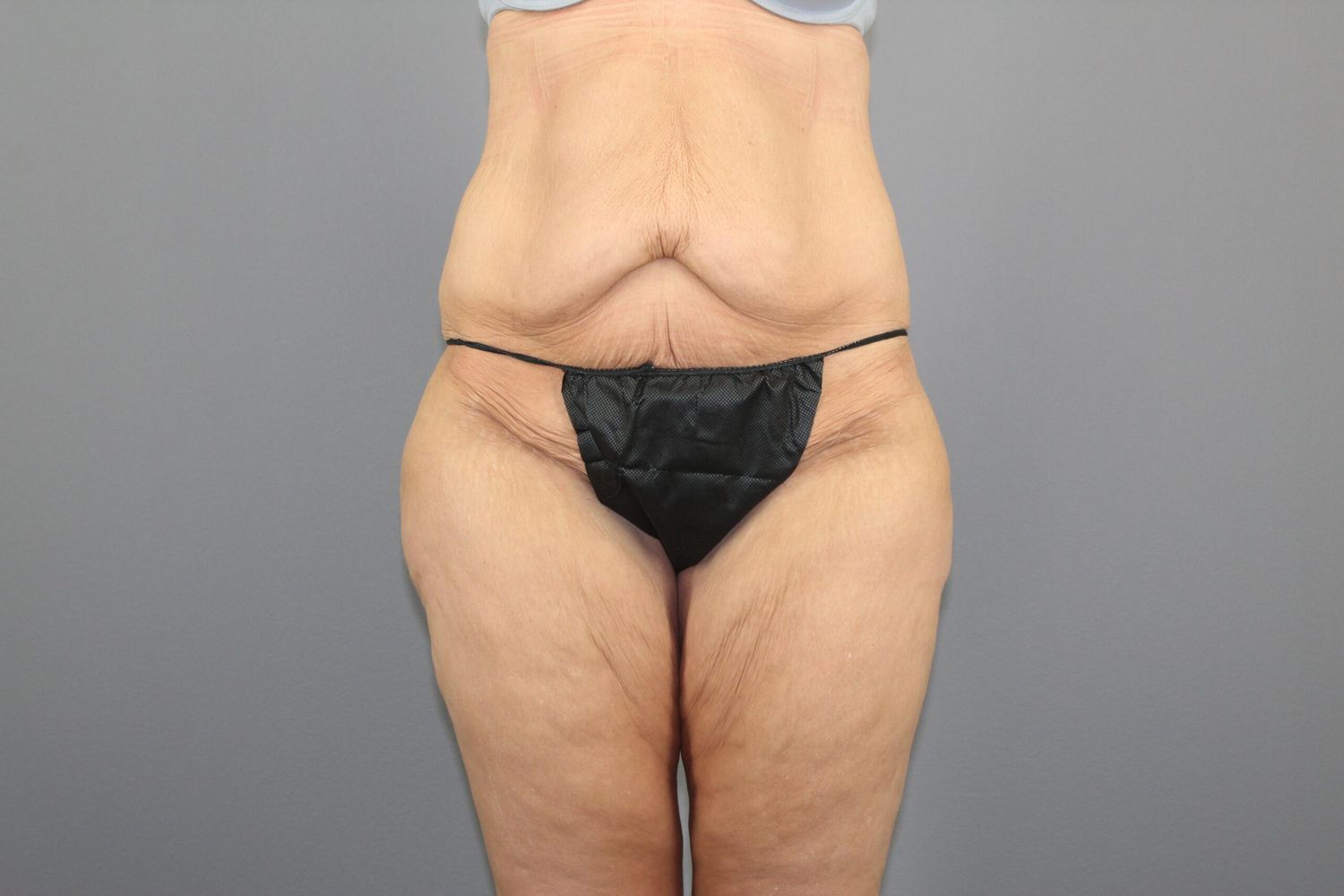
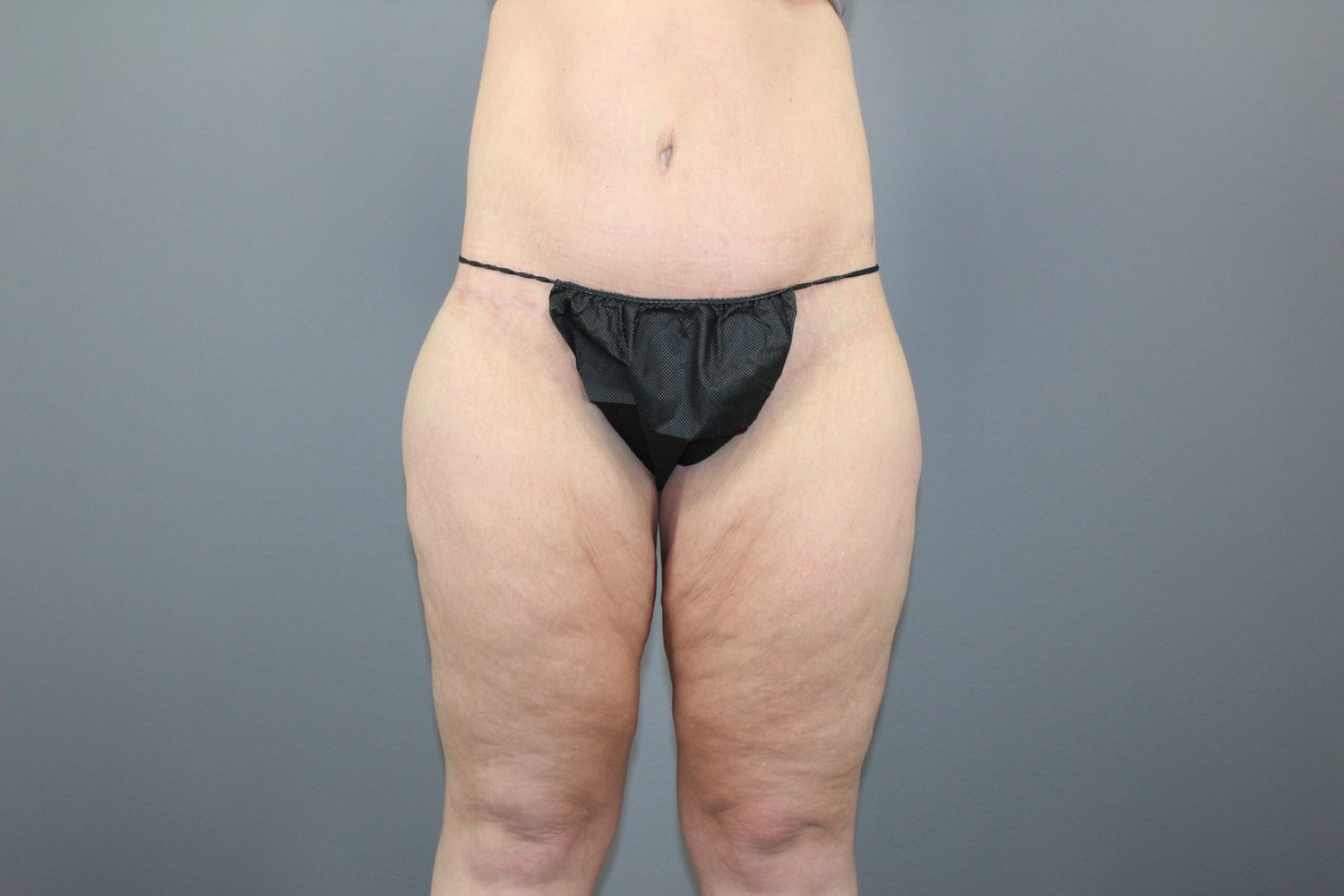
An extended tummy tuck, also called extended abdominoplasty, is used when skin redundancy extends beyond the front of the abdomen and into the sides. This is more common after major weight loss or massive weight loss. It is more extensive surgery, but it can produce a more complete result for the right body contouring pattern.
This is one of the most important decisions in consultation. Liposuction treats fat. A tummy tuck procedure treats skin and support.
Concern | Liposuction | Tummy Tuck |
|---|---|---|
| Stubborn belly fat | Yes | Sometimes combined |
| Excess skin | No | Yes |
| Separated abdominal muscles | No | Yes |
| Belly button reshaping | No | Often yes |
| Scar burden | Smaller | Larger low abdominal scar |
| Best for | Good skin tone, localized fat | Skin laxity, muscle stretch, contour collapse |
Patients who have stubborn pockets but good skin may only need liposuction. Patients with remaining skin, lower abdominal folding, or separated abdominal muscles usually need more than fat removal.

How Should I Prepare For Tummy Tuck Surgery?
Preparation matters. Better planning usually means a smoother first week.
The details vary by anatomy and whether the procedure is mini, full, or extended. The principle is consistent: lift the tissue, repair support, remove what should not remain, and close everything with as little tension as possible.
Before surgery, the incision is designed low across the abdomen, usually where it can sit near the pubic hairline and stay hidden under the underwear line.
Most tummy tuck cases are performed under general anesthesia.
The lower abdominal skin and fat layer are elevated so the surgeon can address laxity and access the support layer.
If the abdominal muscles are stretched apart, the underlying abdominal muscles are repaired to restore support and narrow the midline.
This is the step that creates the real change in patients with excess abdominal skin, loose skin, and lower abdominal overhang.
In many full cases, the belly button is brought through a new opening so it remains in a natural position after the skin is redraped.
Targeted liposuction may be added to reduce side fullness and support smoother body contouring goals.
The incision is closed, dressings are applied, and a compression garment may be placed.
In many cases, tummy tuck is an outpatient procedure, though that depends on the extent of surgery and whether other procedures are performed at the same time.
Following a tummy tuck Houston patients may first notice tightness. The abdomen can feel firm, swollen, and protective for the first several days. This is normal. Recovery is usually more about limited movement and fatigue than severe pain.
You will not look event-ready right away. Swelling, posture changes, and the compression garment make recovery visible in the early phase. Most patients need time away from fitted clothing and social plans.
Walking starts early, but strenuous activity waits. You may be slightly bent at the waist at first. Lifting restrictions are important, especially if muscle repair was performed.
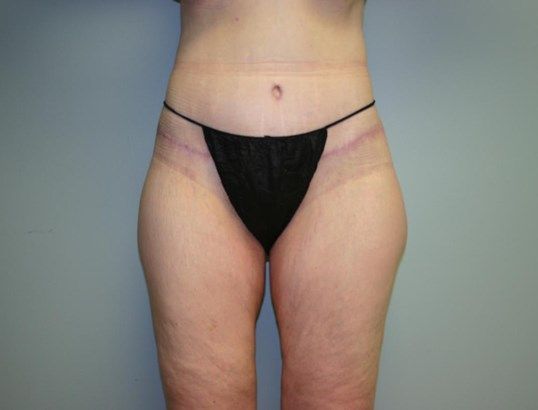
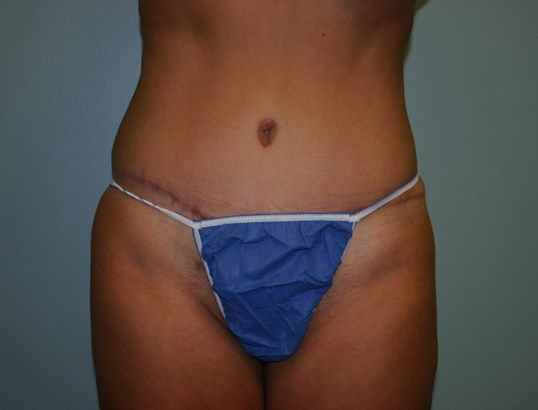
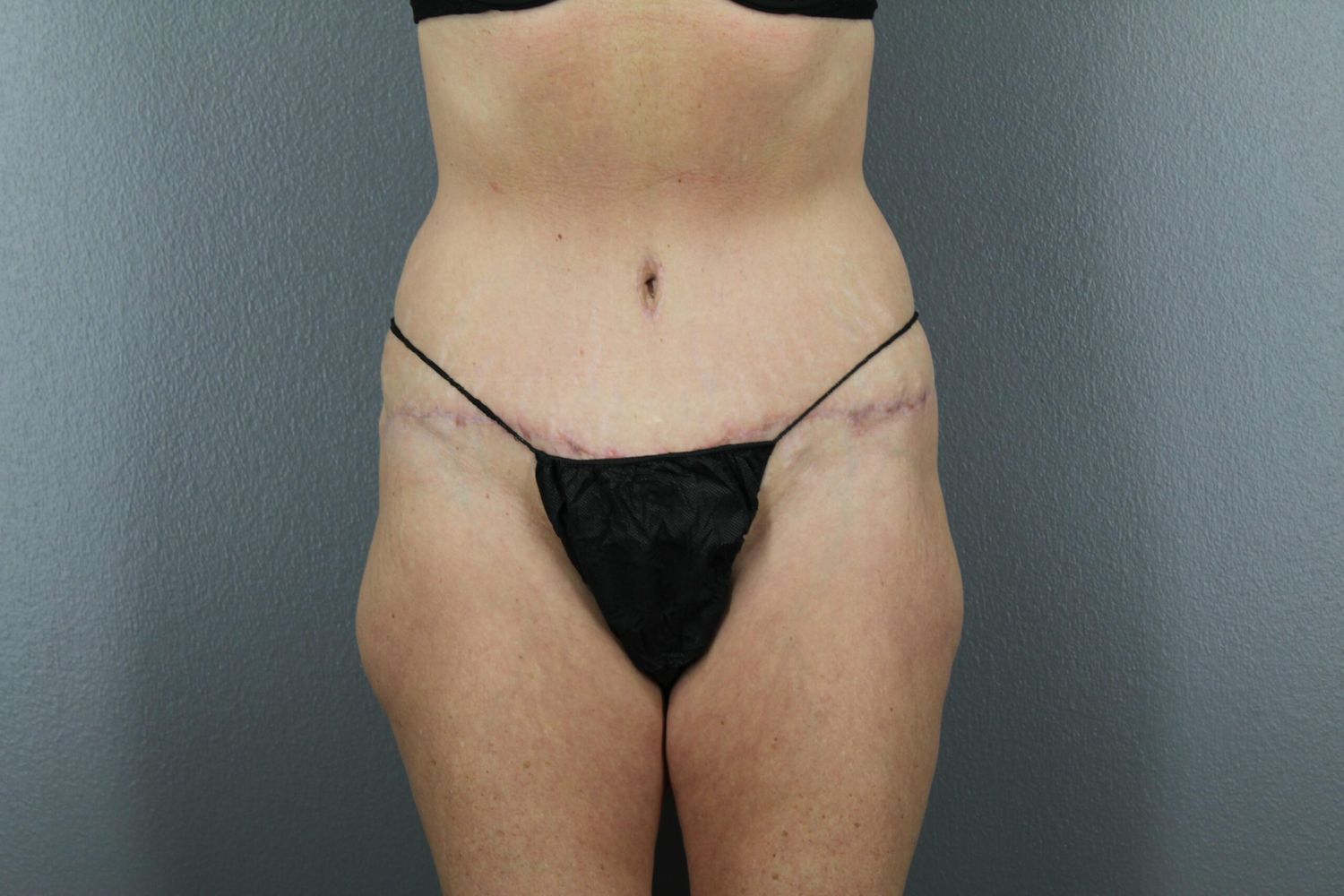
You will see an immediate change because the excess tissue is gone, but that is not the same as the final result. Early on, the abdomen is swollen and firm. The contour may look uneven from one week to the next. That phase is temporary.
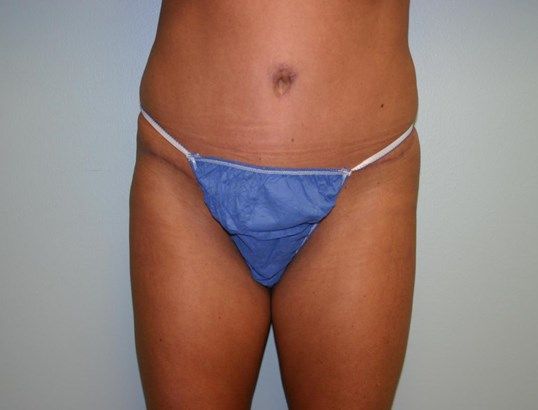
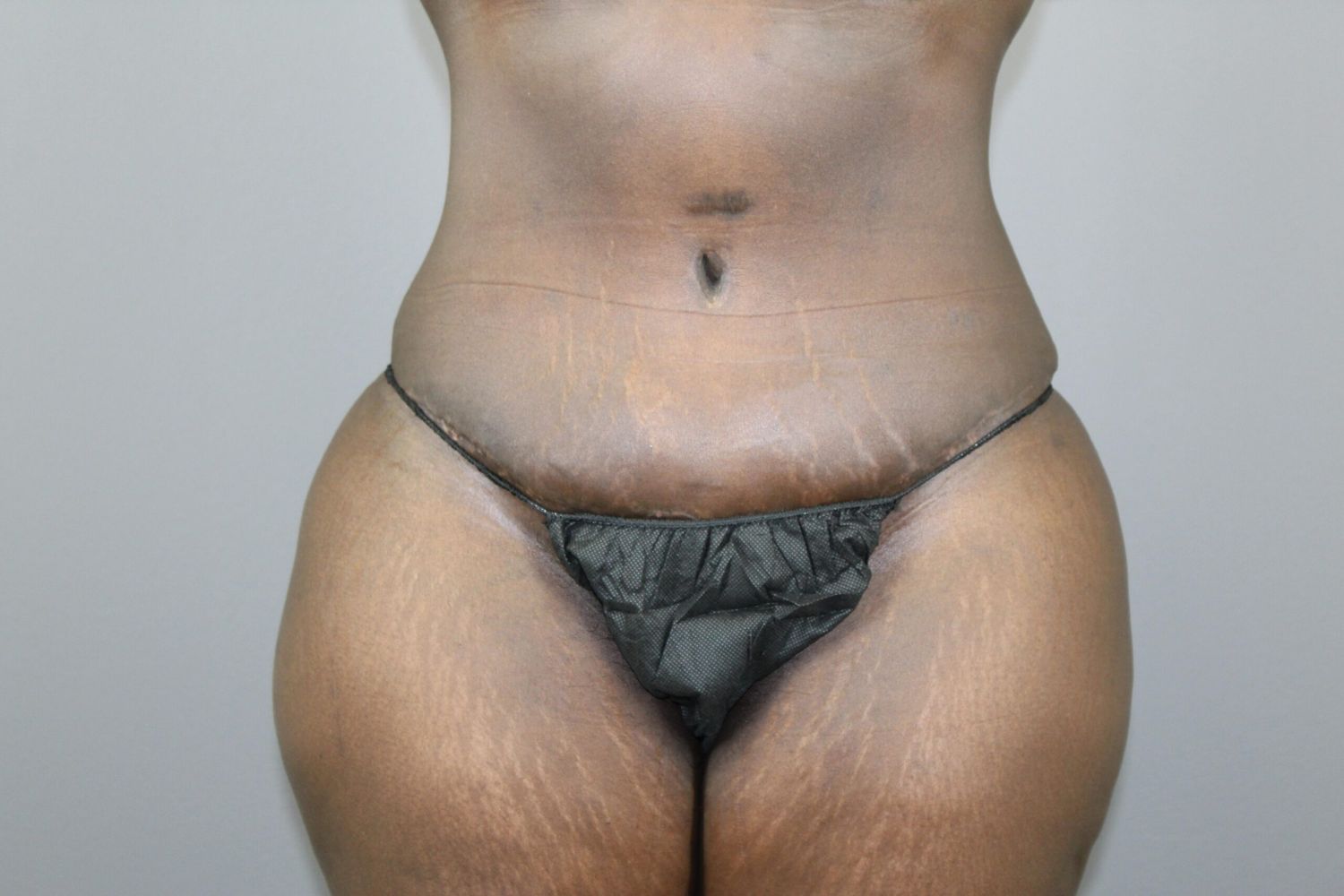
Most patients see a flatter shape early, then a more refined abdominal contour as swelling improves. Final settling takes longer. Good tummy tuck results are revealed in stages.

How Long Do Tummy Tuck Results Last?
A tummy tuck can be long-lasting because the procedure physically removes skin that will not tighten on its own and restores support in the abdominal wall. Still, results are not separate from life. Pregnancy, weight gain, rapid weight loss, and ongoing weight fluctuations can change the outcome.
Patients who stay near ideal weight, maintain a healthy lifestyle, and avoid large shifts in body size tend to keep their result longer.
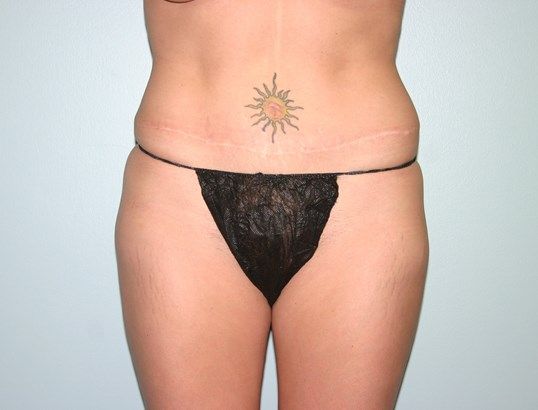
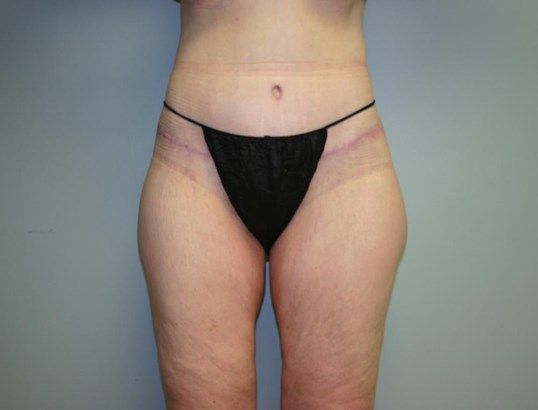
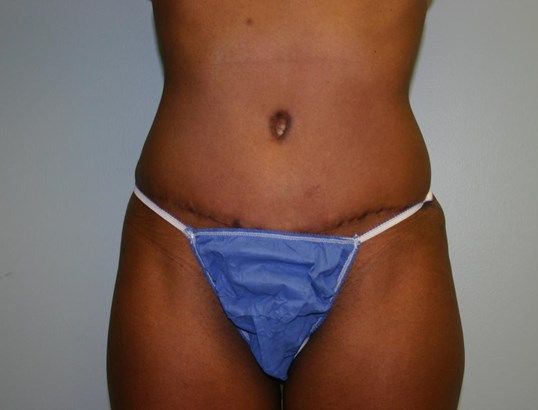
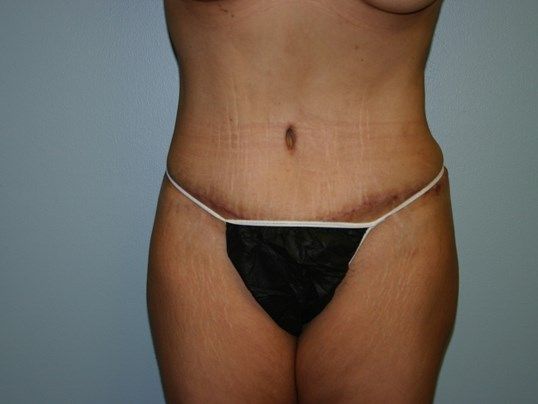
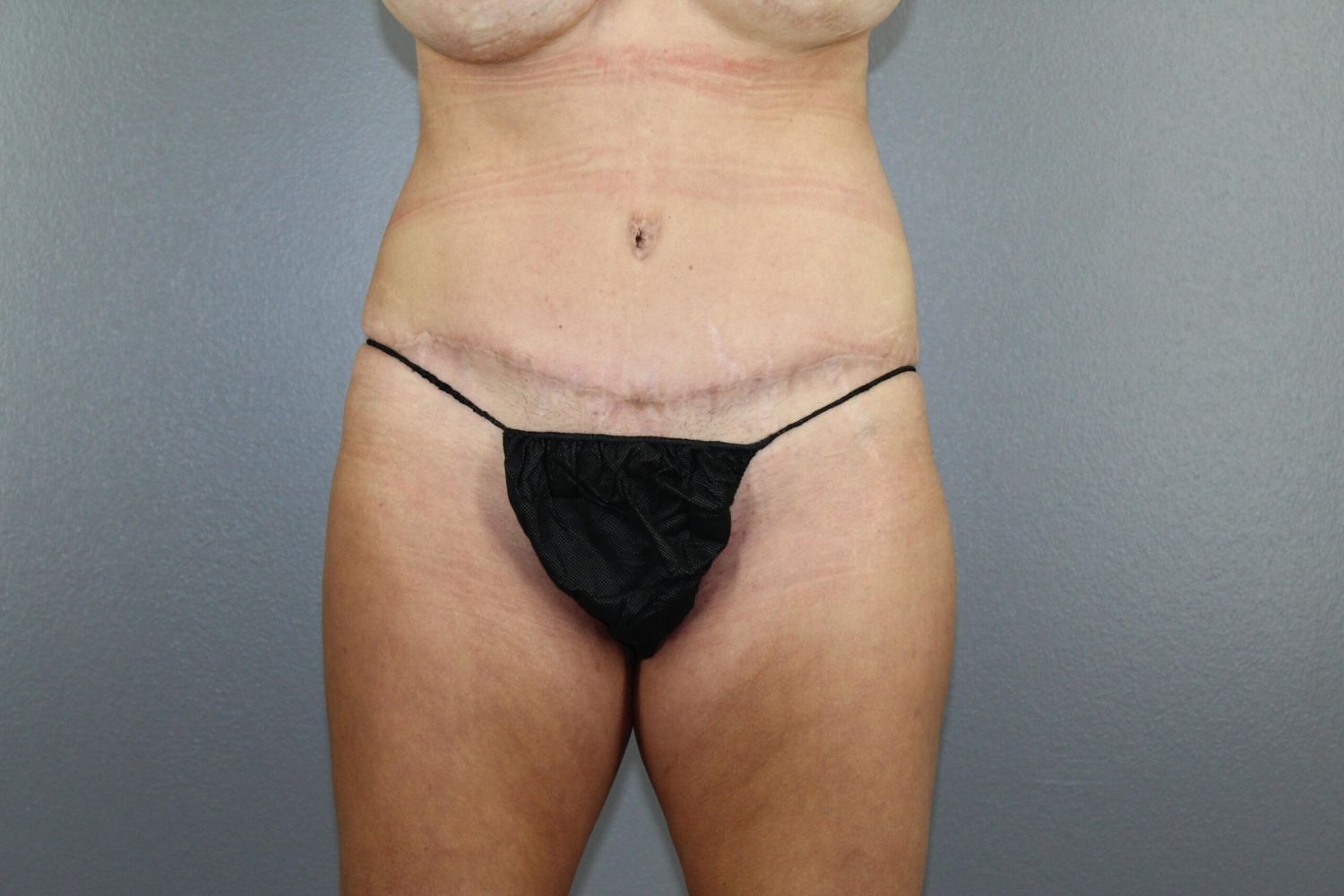
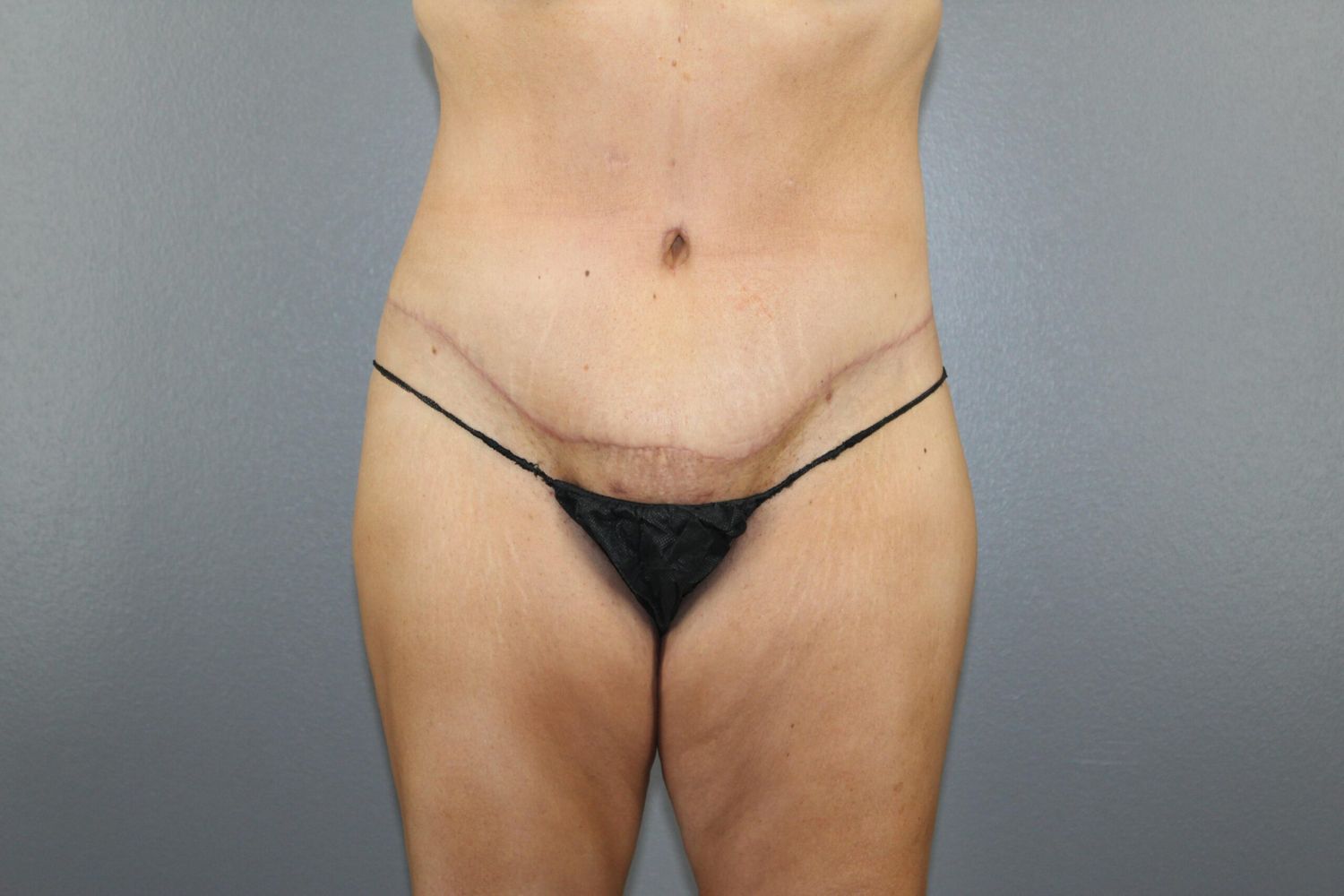
Scar anxiety is normal. It should be discussed directly. In most cases, the main scar is placed low across the abdomen near the pubic hairline so it can sit beneath the underwear line or swimwear. There is often also a scar around the belly button in a full tummy tuck.
Scars look more obvious early on. They usually mature over time. Good aftercare, sun protection, and patience matter.
Yes. Tummy tuck is often part of broader body contouring planning, especially for women after pregnancy.
Common combinations include:
These combinations can make sense when the abdomen is only one part of the post-pregnancy or post-weight-loss picture.

Houston tummy tuck patients are not only comparing prices. They are deciding who will evaluate the tradeoffs honestly: scar length, muscle repair, recovery with children at home, or whether liposuction should be added. They are looking for whether an extended tummy tuck makes more sense than a limited procedure.
Dr. Lapuerta approaches the operation with that level of detail. As a plastic surgeon serving Houston and surrounding communities, he evaluates the full abdominal pattern, not just the area the patient points to first. That includes the skin envelope, the integrity of the abdominal muscles, the waistline, the quality of the tissue after pregnancy or significant weight loss, and the role of combination surgery when appropriate.
Our practice also offers physician-led follow-up, an accredited on-site surgical facility, and a careful discussion of recovery before anything is scheduled. That matters in a procedure where the first week at home is a real part of the experience.

If you are considering tummy tuck in Houston, schedule a private consultation with Leo Lapuerta, MD, Plastic Surgery. Call the office or request an appointment online to discuss your options, your goals, and whether a mini, full, or extended tummy tuck fits your anatomy best.

Recovery time
Average Procedure time
Post-op Follow-up
Procedure Recovery Location
2-3 Weeks
3-5 Hours
1 Week
Outpatient
Yes, especially when significant weight loss leaves behind excess skin, hanging tissue, or contour irregularity. Some patients after major weight loss need a standard tummy tuck. Others need an extended tummy tuck or broader contouring plan.
Yes. It can remove some stretch marks if they sit in the skin being excised, usually on the lower abdomen. It does not erase every mark across the abdomen.
Yes. That is one of the most important technical details in abdominoplasty. Careful reshaping of the belly button helps the result look balanced rather than obviously surgical.
The main recovery period lasts several weeks, though swelling continues to improve beyond that. Most patients need time away from lifting, strenuous activity, and tight clothing early on.
Some patients find tummy tuck videos useful for understanding the basics of surgery and recovery. They are not a substitute for a personal exam, because candidacy depends on your own skin, muscle laxity, and goals.
No. It is a contouring operation. The best candidates are usually at a stable weight and want to address skin, support, and shape rather than lose more pounds.
Tummy tuck cost in Houston depends on the extent of surgery. A mini tummy tuck is different from a full repair. A standard operation is different from extended abdominoplasty after massive weight loss. Pricing also reflects anesthesia, facility fees, whether liposuction is included, and whether the procedure is combined with breast lift, breast augmentation, breast reduction, or other procedures.