Contact
  Gallery
  Call
Call 
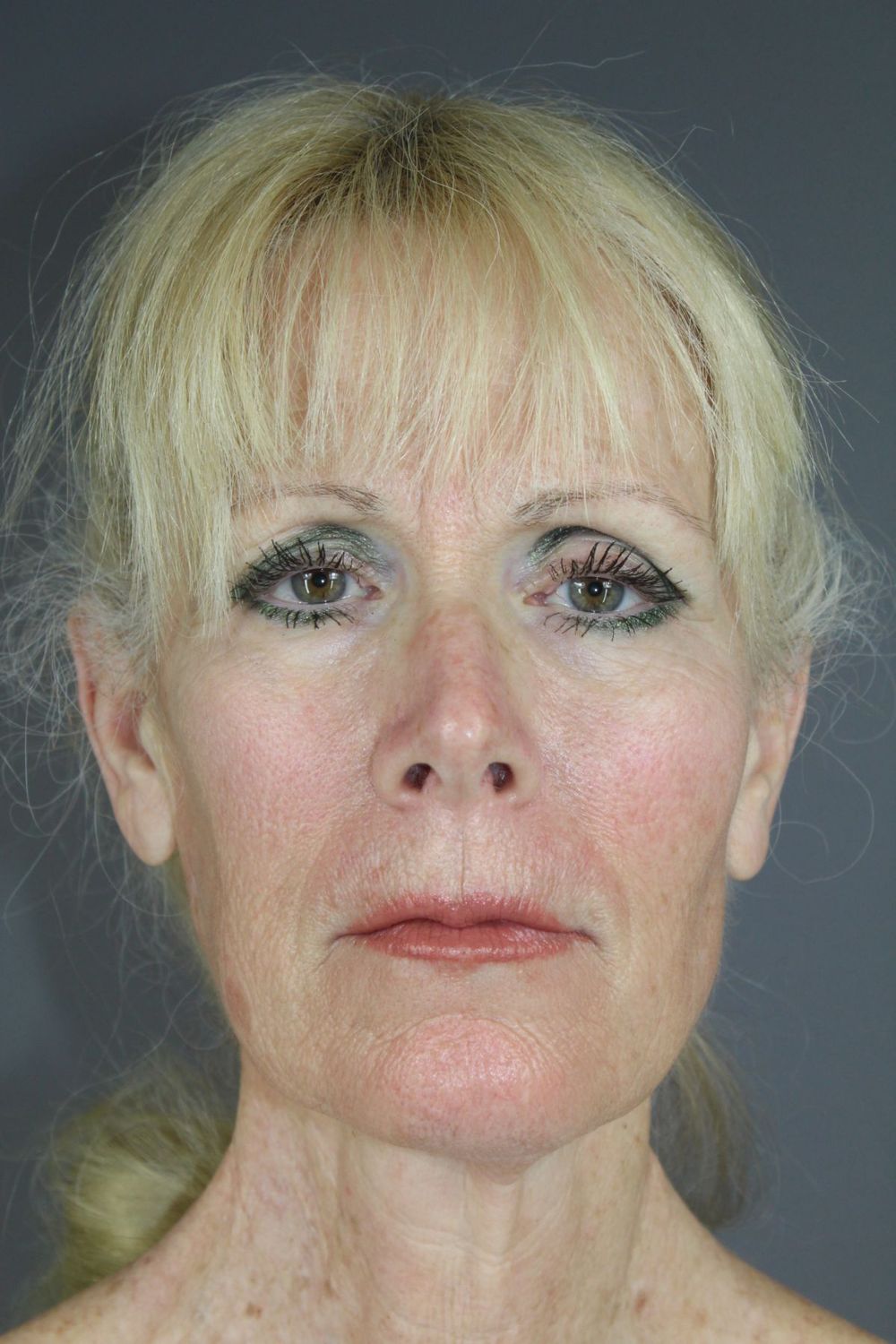
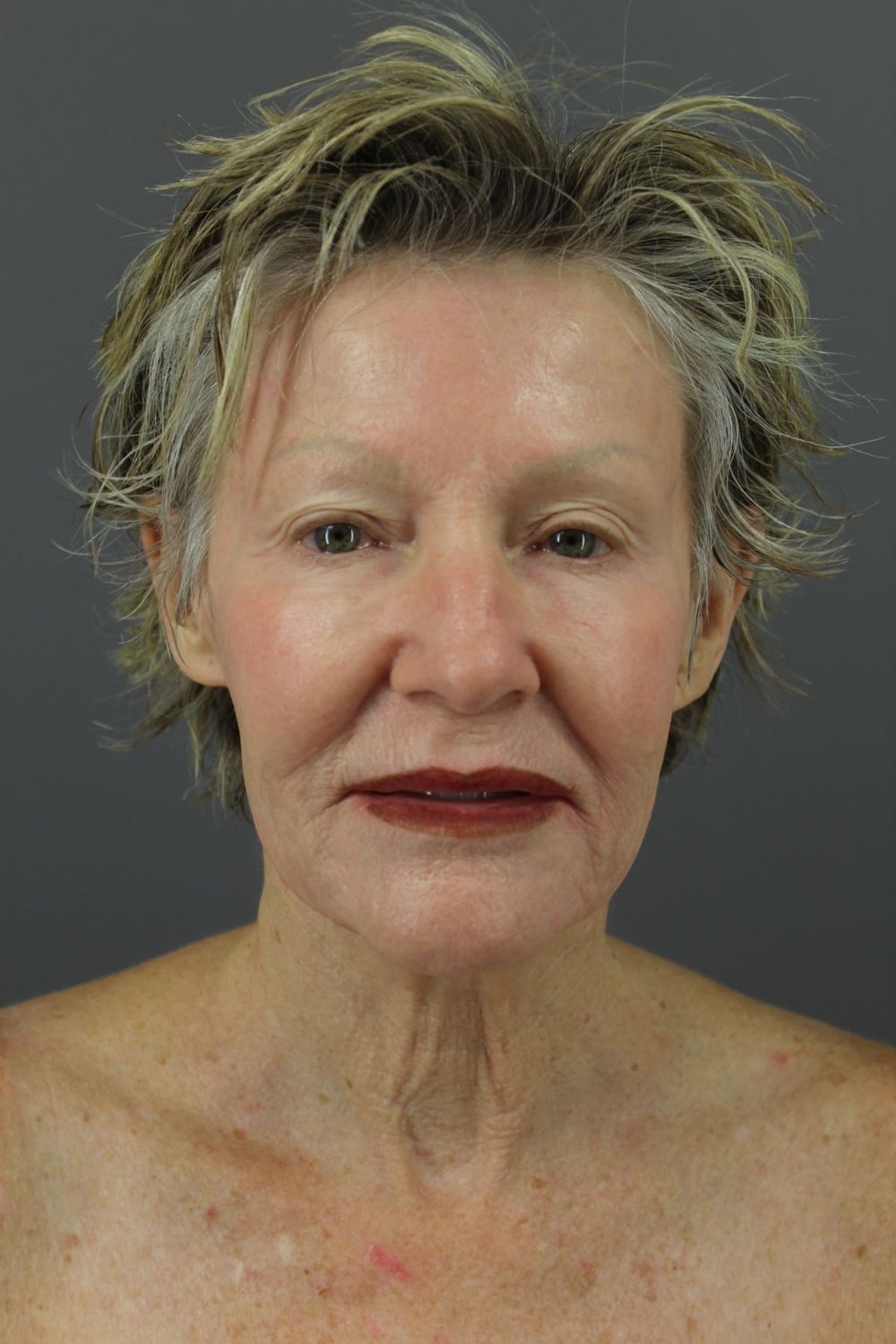
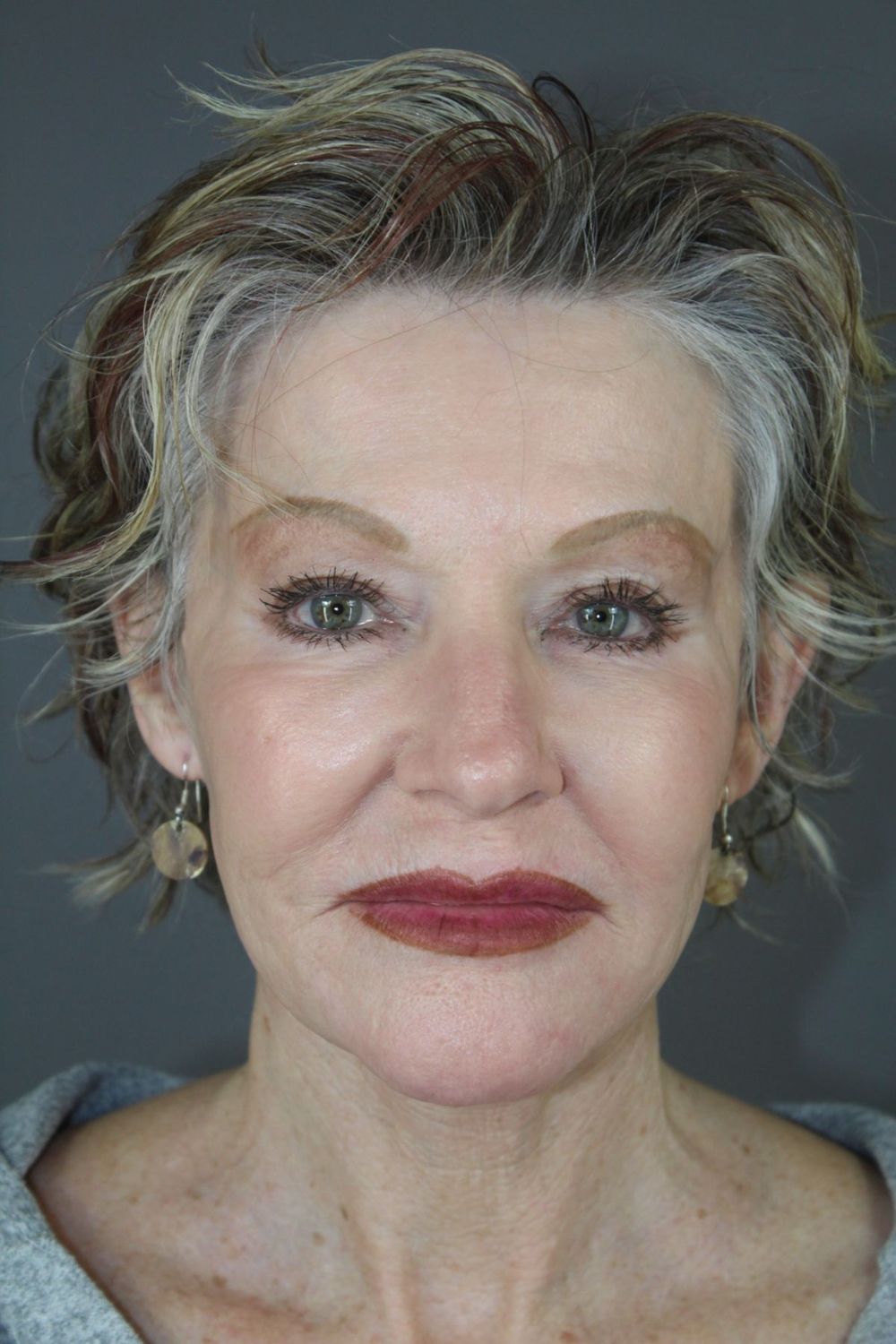
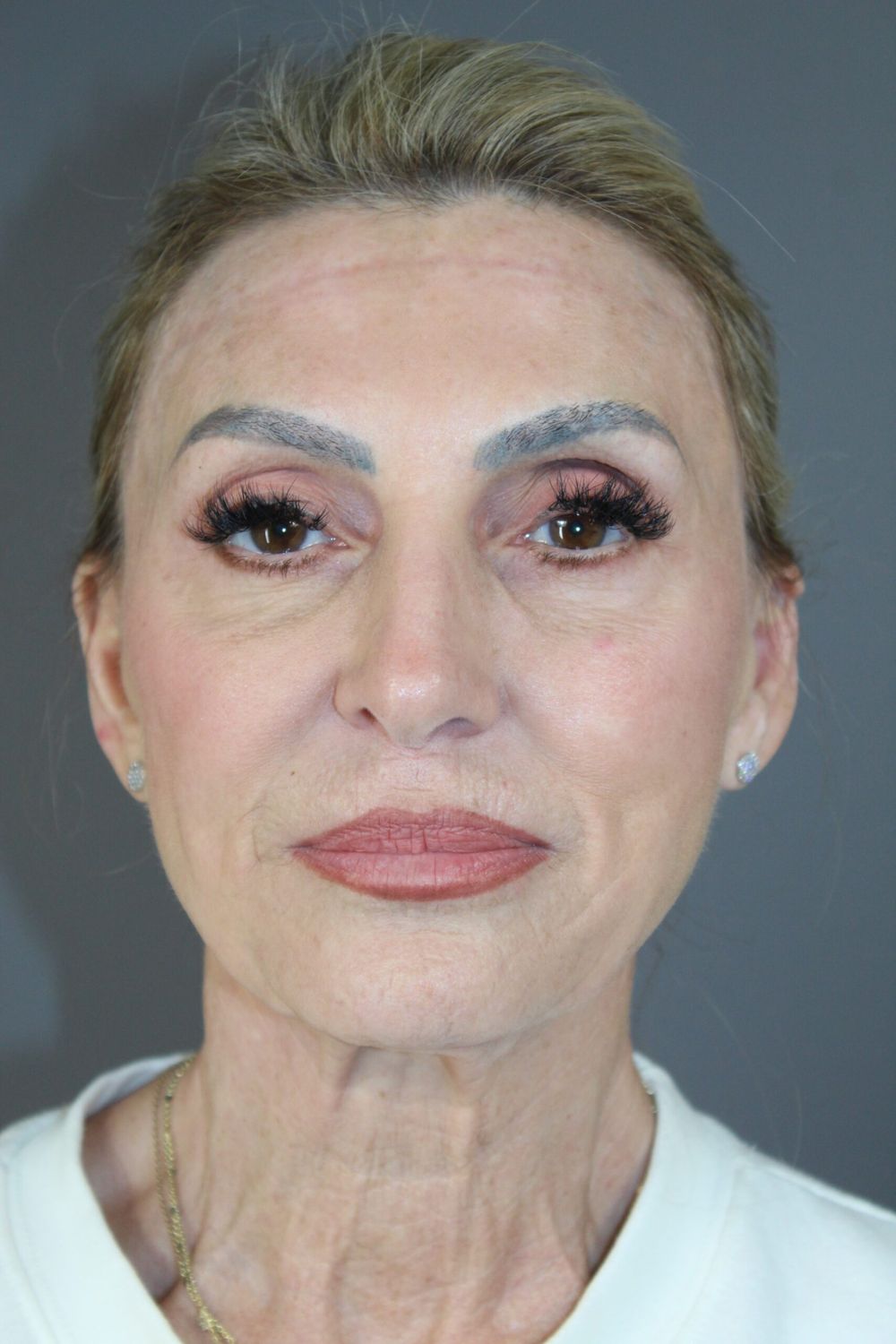
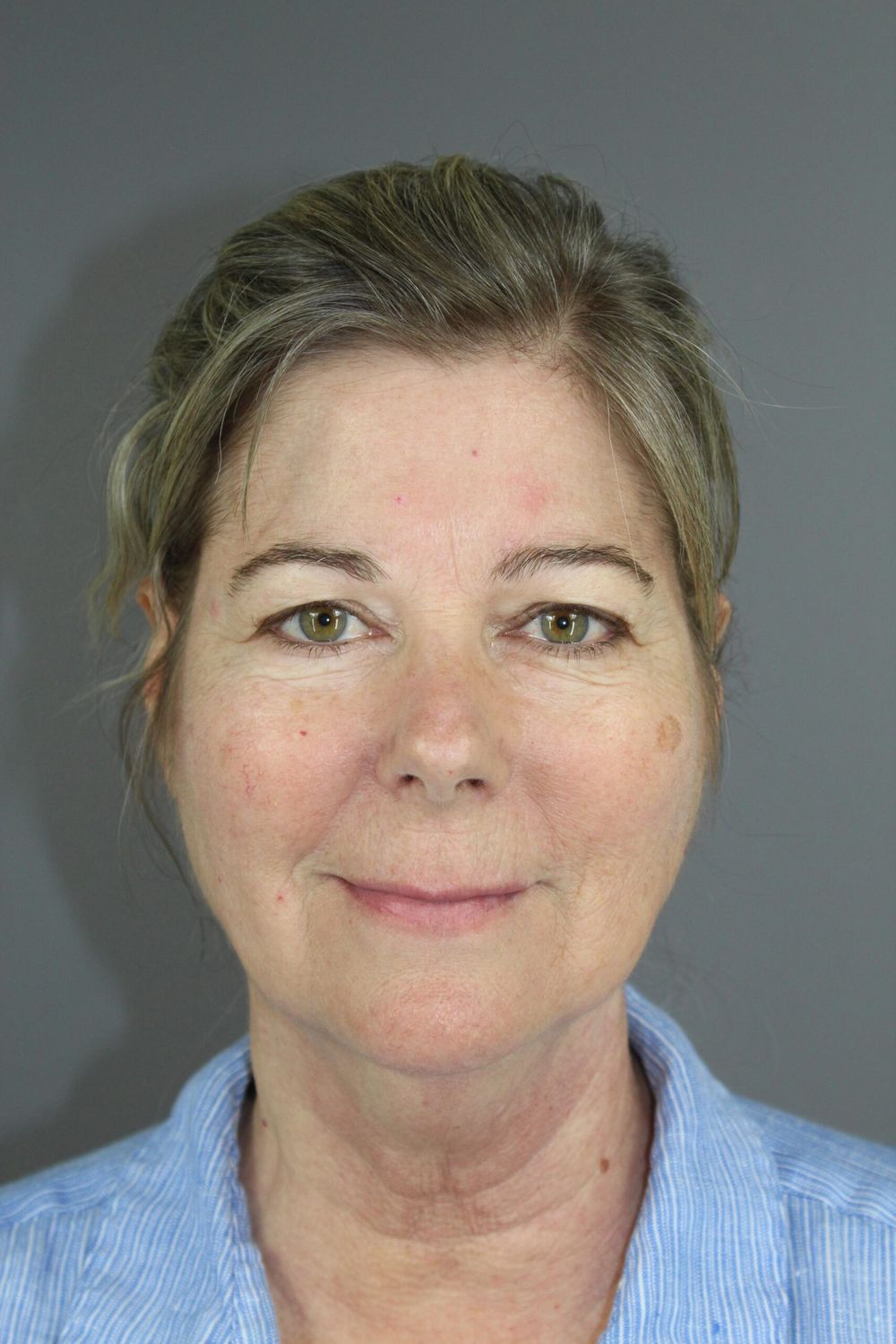
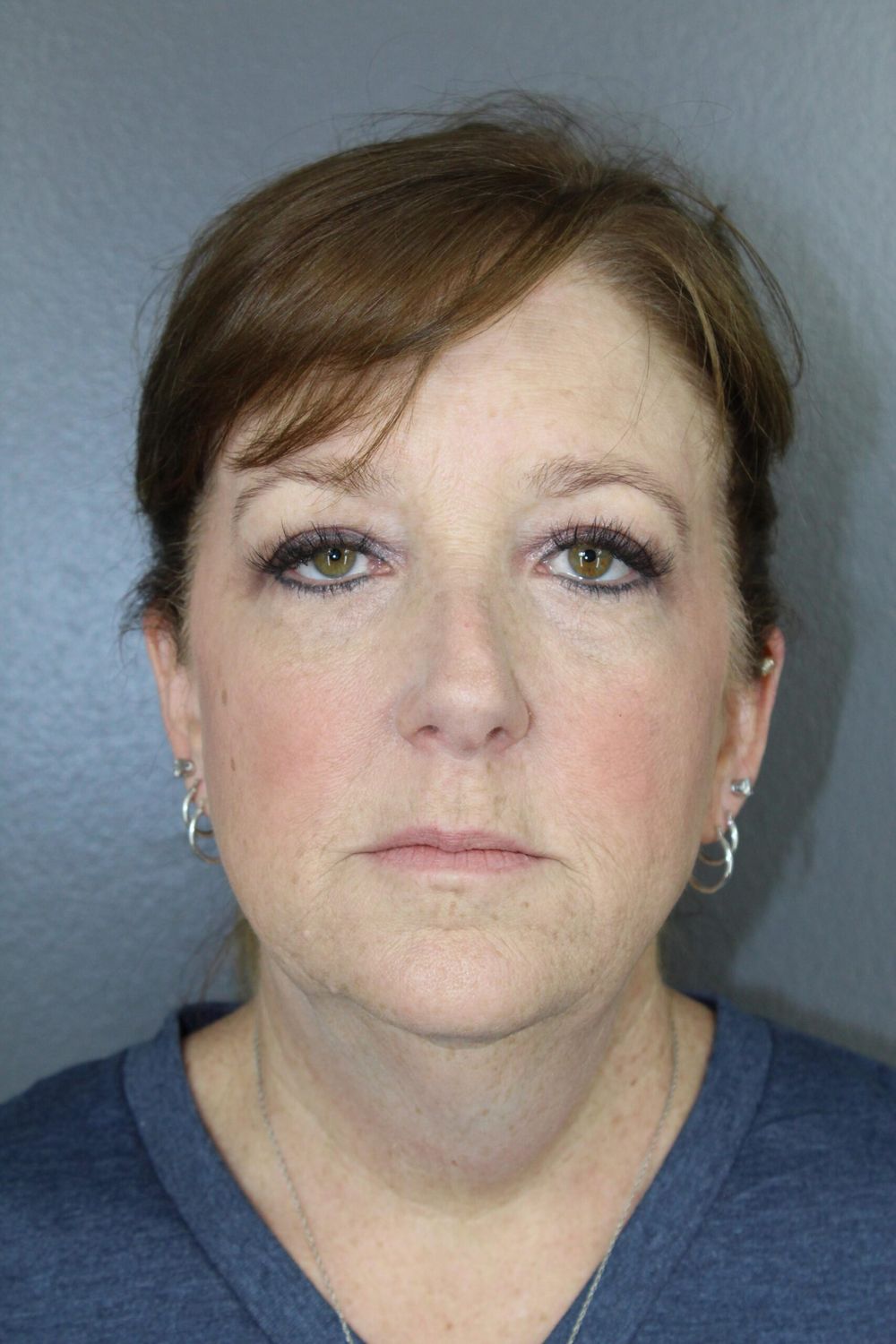
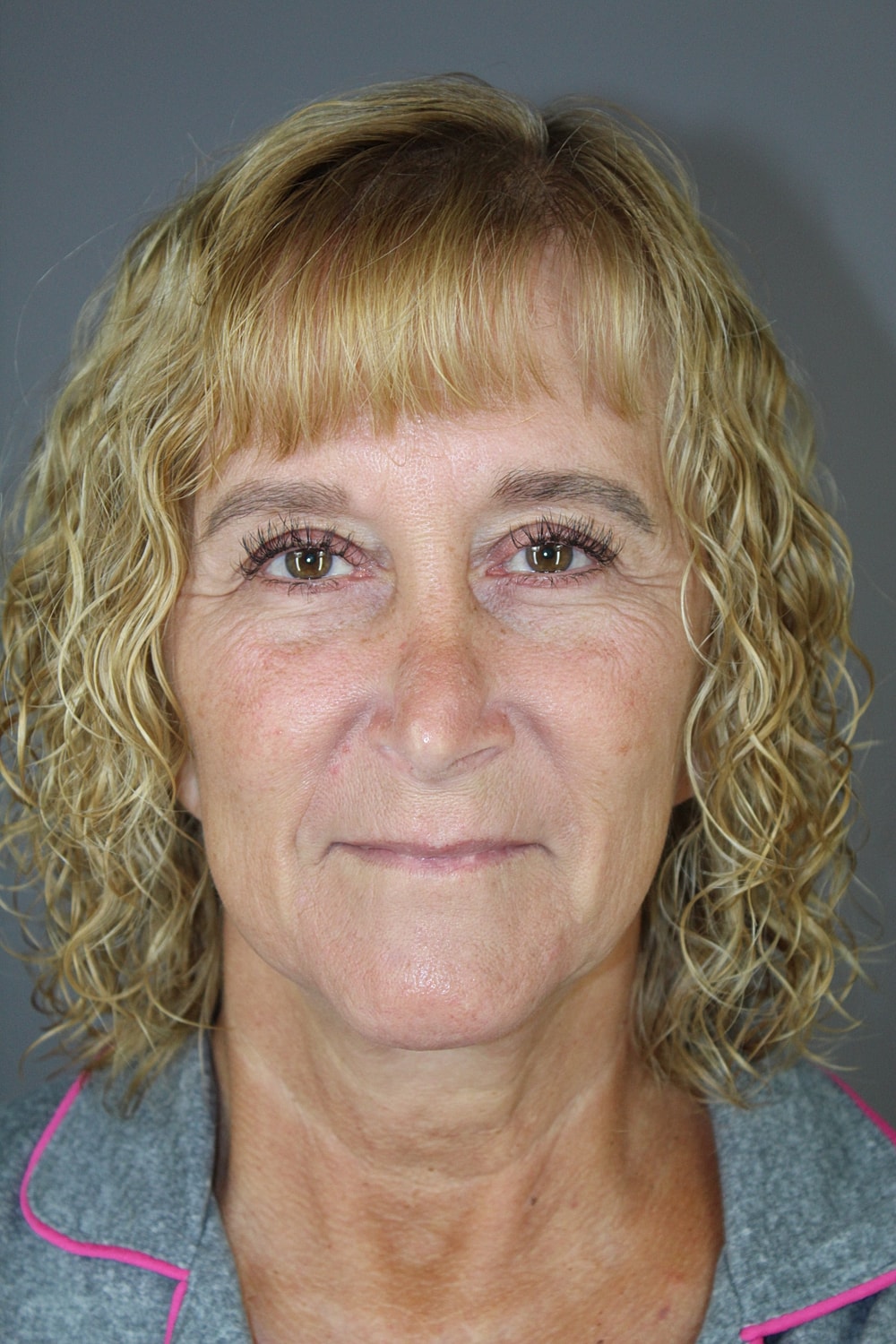
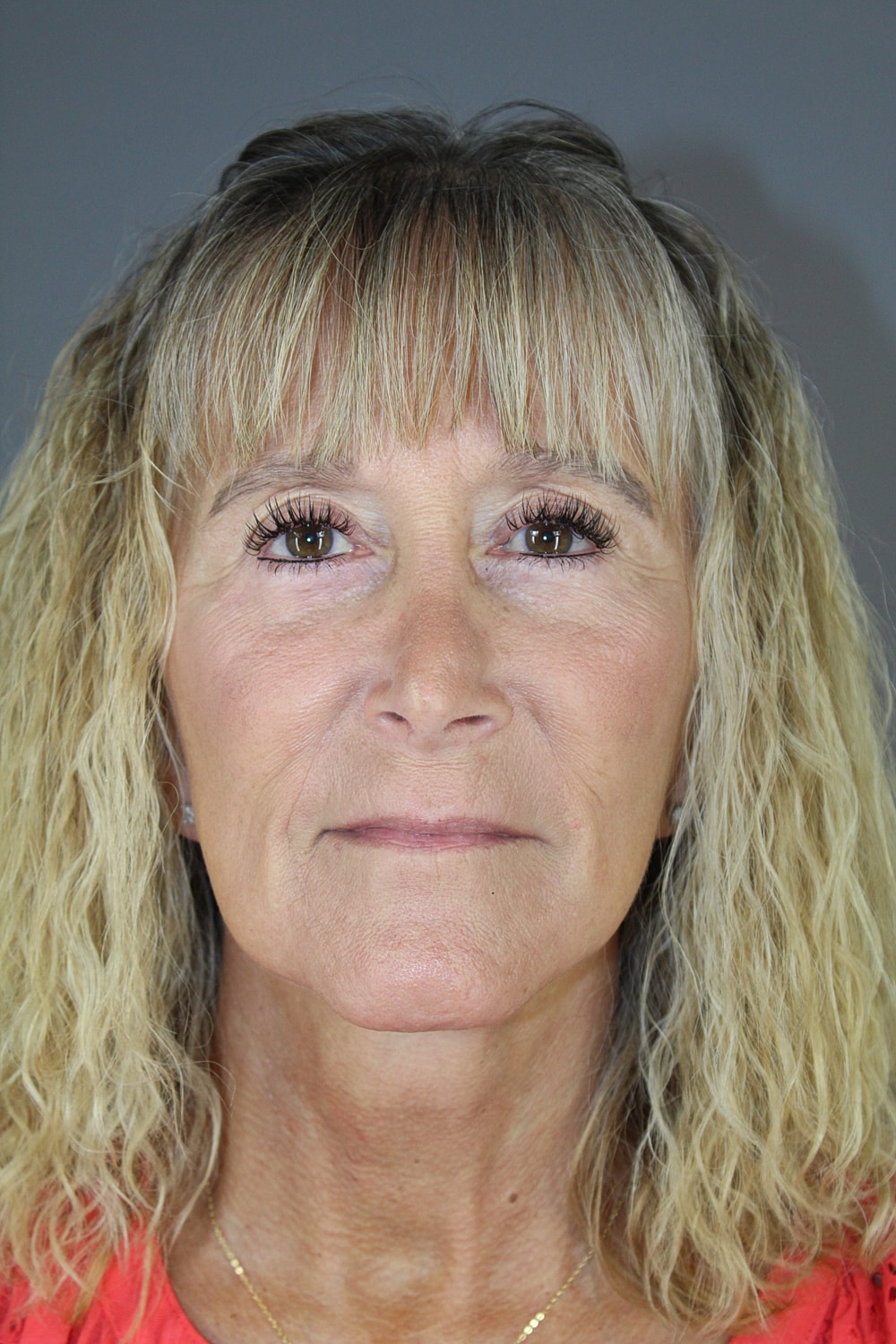
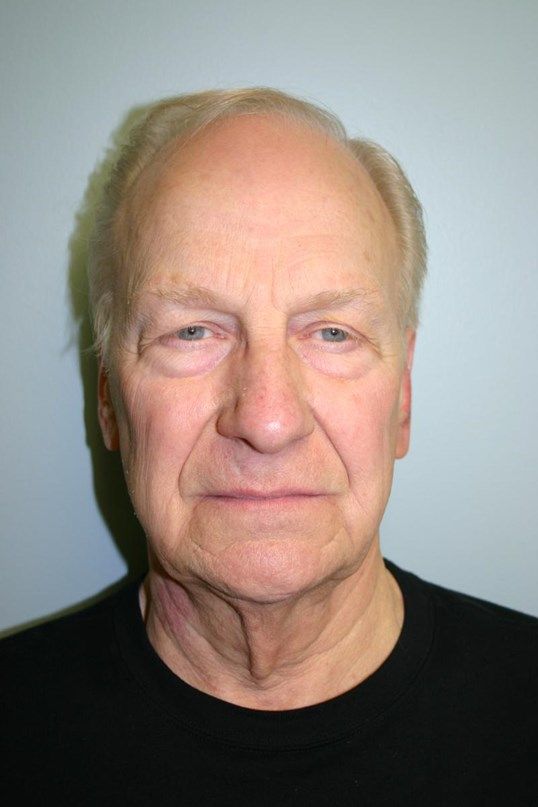
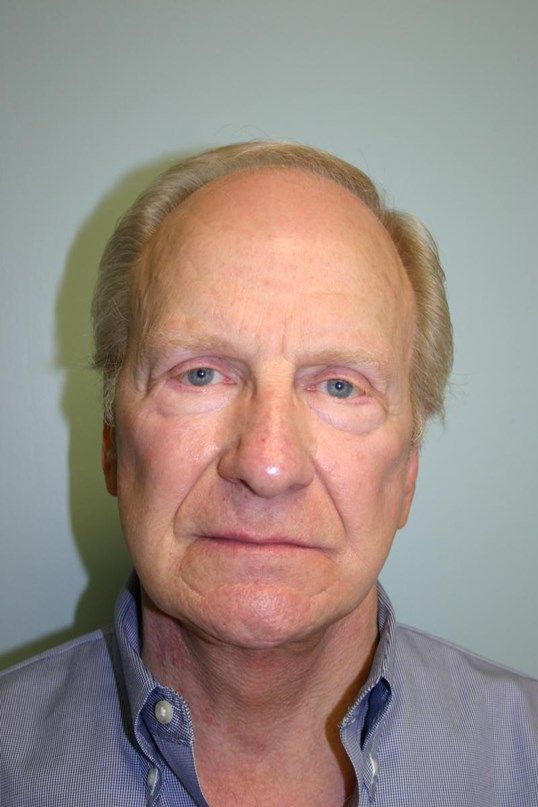
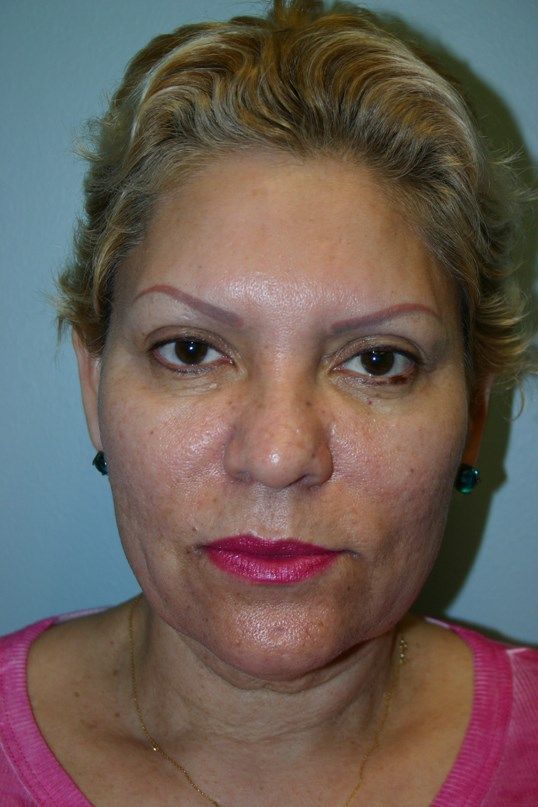
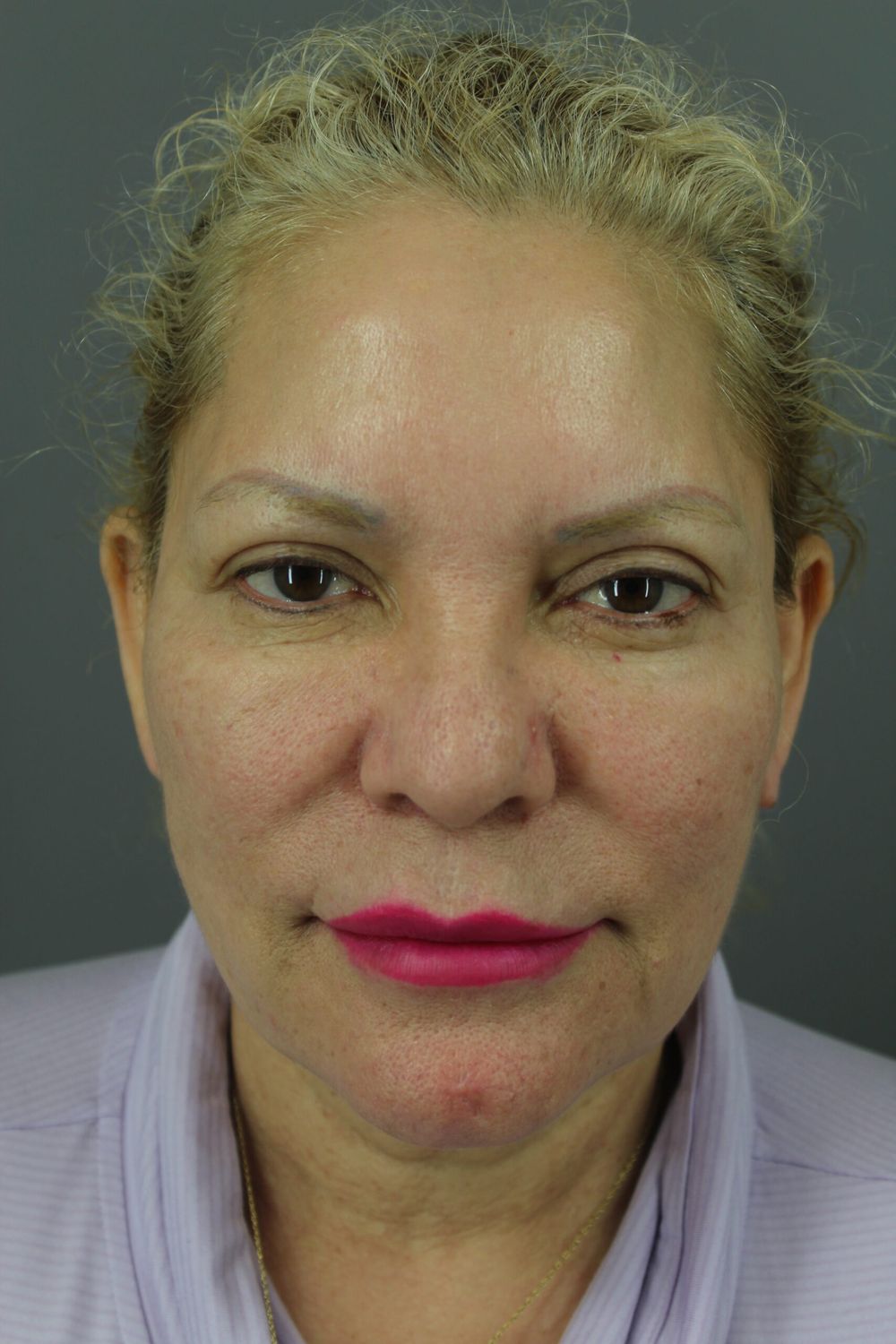
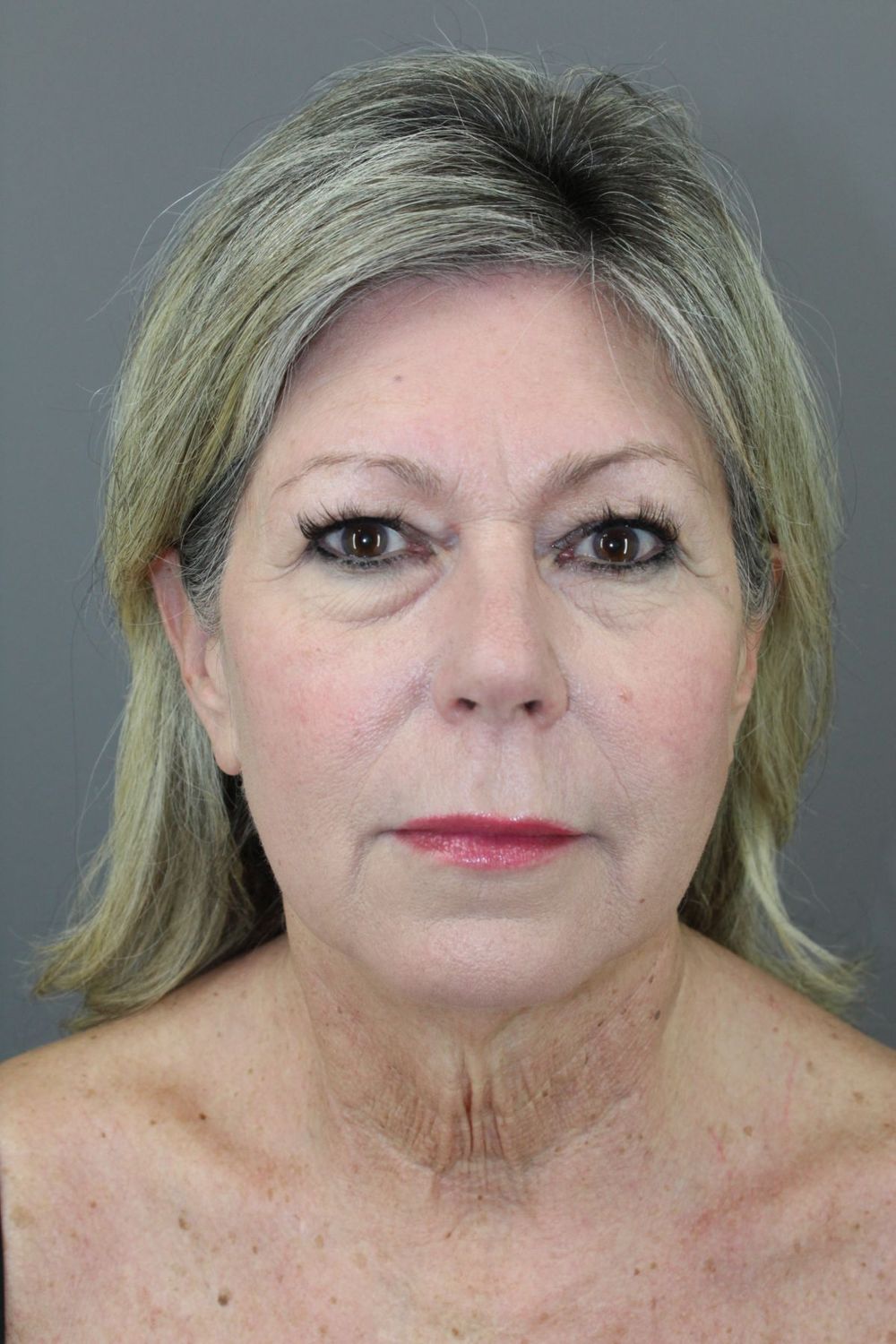
There is a version of facial aging that has less to do with wrinkles and more to do with drift. The cheeks settle lower. The jawline loses its edge. The neck begins to carry more visual weight than it used to. The overall effect is not dramatic, but it changes the way the face reads. For many patients in Piney Point, that shift matters more than any single line or fold. They are not looking for a different face. They want their structure back.
A deep plane facelift is designed for that kind of change. It works beneath the surface, where facial descent actually happens, and it is often chosen by patients who want a result that looks controlled, believable, and difficult to detect as surgery.
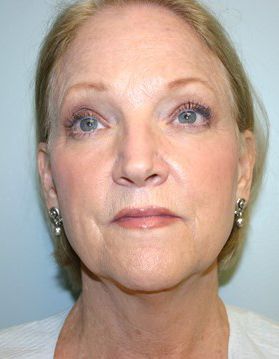
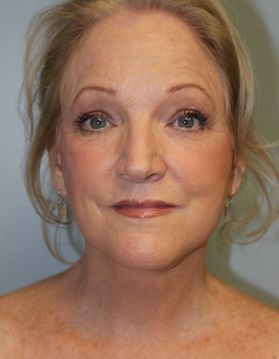
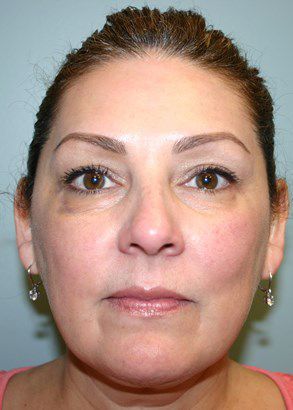
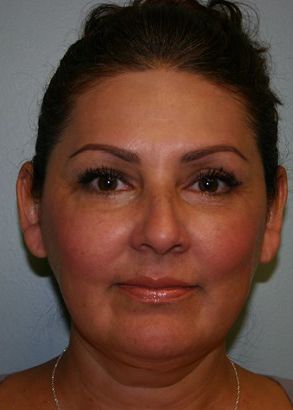
1 of 36


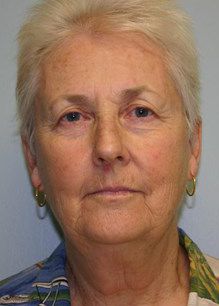
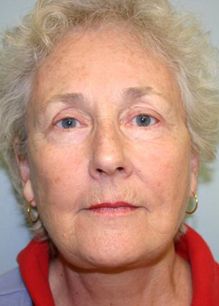
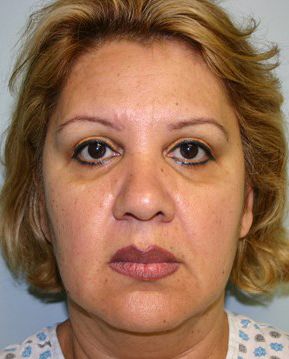
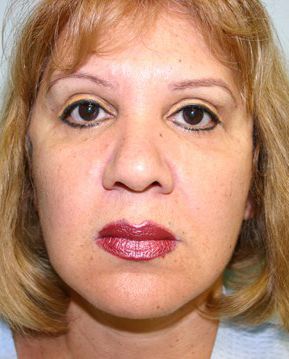
A deep plane facelift is a surgical facelift technique that repositions deeper facial tissues rather than tightening skin alone. It is designed to improve jowls, cheek descent, deeper folds around the mouth, and neck laxity by lifting structural support beneath the surface for a more natural facial result.
The difference is not cosmetic jargon. It is mechanical. A skin-only lift works at the outer layer. A deep plane facelift releases and repositions tissue at a deeper level, which allows the lift to come from support rather than tension. In the right patient, that creates a cleaner jawline, softer folds, and a more settled-looking face without the flat or over-tight look people often worry about.
At a Glance | Details |
|---|---|
| Best for | Moderate to advanced facial descent, jowls, heavier folds, and neck aging |
| Treatment type | Surgical facelift |
| Downtime | Usually one to two weeks of visible social downtime, with ongoing refinement after |
| Pain level | More tightness and soreness than sharp pain for most patients |
| Treatment length | Varies depending on whether neck lift, eyelid surgery, or fat transfer are included |
| When results appear | Early improvement appears as swelling begins to settle; refinement continues over several months |
| How long results last | Long-lasting, though the face continues to age naturally |
| Cost or pricing note | Pricing reflects surgical complexity, anesthesia, facility, and whether additional procedures are combined |
A deep plane facelift addresses structural facial aging rather than surface texture alone.
It may improve:

One of the strengths of a deep plane facelift is its ability to improve descent through the center of the face. When the cheeks have shifted lower and the area beside the mouth looks heavier, a deeper lift can restore better support without relying on pull at the skin.
This is often the area patients notice first. The jawline loses clarity. Jowls interrupt the contour. The lower face begins to look heavier than the upper face. A deep plane lift can reestablish cleaner definition along this transition.
Many patients who are strong candidates for a deep plane facelift also need the neck addressed. If the lower face is lifted but the neck remains full or loose, the result can feel unfinished. In those cases, a neck lift may be part of the surgical plan.
The real benefit is not simply that the face looks younger. It is that the face looks more coherent again. The structure reads more clearly. The lower face is less heavy. The neck fits the jawline better.
Benefits may include:
A good candidate is someone whose facial aging is now structural. The issue is no longer just skin. It is descent through the deeper support of the face.
You may be a good candidate if…
A deep plane facelift may not be the right fit if…

A deep plane facelift is a more exacting facelift technique. It is not simply a tighter version of the same operation. The lift happens deeper, where facial descent begins.
Dr. Lapuerta evaluates skin quality, facial structure, cheek descent, jawline changes, neck laxity, and whether additional procedures should be combined.
Surgery is performed in an accredited surgical setting with physician-provided anesthesia.
Incisions are typically placed around the ears and into the hairline so they can heal in less visible locations.
The deeper facial layer is carefully released so descended tissues can be repositioned more effectively.
The cheeks, lower face, and related support structures are elevated into a more balanced position.
Once internal support is restored, the skin is laid back more smoothly with less surface tension.
Excess skin is trimmed conservatively, the incisions are closed, and recovery begins.
Why technique selection matters
Not every patient benefits from the deepest possible lift. Some do. Some do not. The best result comes from choosing the technique that matches the face, not from choosing the most aggressive label. That judgment matters as much as the operation itself.
Incisions and scar placement
A deep plane facelift does involve incisions, but good planning is designed to make them discreet. They are usually placed around natural contours of the ear and within the hairline. Early scars may look more noticeable than they will later. Time is part of the result.
The first stage of recovery is visible. There is swelling. There may be bruising. The face can feel tight, unfamiliar, or uneven from one side to the other. None of that means the result is off track. It means you are early.
For many patients, this is the most relevant part of recovery. When can you be seen without it being obvious? The answer depends on your healing pattern, but most people prefer real privacy for the first one to two weeks. Public-facing obligations, dinners, photos, and work events usually need to wait.
Walking begins early, but strenuous exercise, bending, and anything that increases facial pressure should wait. Rest matters. So does sleeping with your head elevated and following incision care closely.
You will see change before you see polish. Early on, the face may look tighter, puffier, or less even than expected. That phase passes. As swelling improves, the jawline usually becomes clearer first. Then the cheeks and folds begin to settle into a more natural-looking shape.
Stage | What to Expect |
|---|---|
| First 1–2 weeks | Swelling and bruising still influence the way the face reads |
| Weeks 3–6 | Better definition and less obvious signs of surgery |
| Months 2–3 | A more stable and believable facial contour |
| Months 6+ | Continued softening and final refinement |
A deep plane facelift can last many years, but it does not stop aging. The face continues to change with time, skin quality, weight shifts, and sun exposure. What it can do is restore structure in a way that tends to age more naturally than a lift built on surface tension alone.

Scar concerns are reasonable, especially in facial surgery. Deep plane facelift scars are usually placed around the ears and along the hairline so they can heal in concealed areas. Early scars may look pink or firm. Over time, most settle. Scar quality depends on incision design, closure, skin type, and aftercare.
Patients often compare the deep plane facelift with lighter facelift techniques or nonsurgical treatments. The right comparison is not “which is best?” It is “which is appropriate?”
Option | Best For | Limits |
|---|---|---|
| Mini facelift | Mild lower-face laxity | Less improvement for heavier folds, neck aging, or cheek descent |
| SMAS facelift | Moderate facial aging with deeper support than skin-only lifting | May not reposition tissue as extensively as a deep plane lift |
| Deep plane facelift | Heavier facial descent, deeper folds, and more structural aging | More involved surgery and recovery |
| Fillers or nonsurgical treatment | Early volume loss or temporary camouflage | Cannot remove excess skin or reposition descended tissues |
Yes. Facial aging rarely happens in only one place. A more balanced result may involve more than one procedure.
Common combinations include:
The goal is not to add procedures automatically. It is to keep the face in balance.
Deep plane facelift surgery is not a procedure to choose by terminology alone. It asks more of the surgeon than familiarity with a trend. It requires disciplined technique, a detailed understanding of facial anatomy, and the judgment to know when a deeper lift is warranted and when it is not.
Dr. Leo Lapuerta is triple board-certified, including certification by the American Board of Plastic Surgery, and has more than 30 years of surgical experience. He has performed more than 30,000 procedures and operates in the AAAASF-certified Plastic Surgery Institute of Southeast Texas. That background reflects formal training, operative depth, and a long record of physician-led care.
For patients near Piney Point, the value is not simply access to facelift surgery. It is access to surgical judgment. Some patients need a deep plane approach. Some need a less extensive facelift. Some need the neck treated at the same time to keep the result from looking incomplete. Some benefit from eyelid surgery or fat transfer to avoid a result that feels too concentrated in one area. Those decisions shape the outcome as much as the lift itself.
This practice is also structured around direct physician involvement. Dr. Lapuerta conducts detailed consultations, remains central to surgical planning, and follows patients closely after surgery. Procedures are performed in an accredited facility, and anesthesia is provided by physicians with residency training in anesthesia. For a surgery as visible and technique-sensitive as a deep plane facelift, that level of consistency matters.

To find out whether a deep plane facelift is the right fit for your facial aging pattern, schedule a consultation with Leo Lapuerta, MD, Plastic Surgery. Call the office or request an appointment online to discuss deep plane facelift surgery for Piney Point, TX, patients.


Pricing depends on surgical complexity, anesthesia, facility fees, and whether other procedures are added. A consultation is the best way to receive a specific treatment plan and cost range.
That should be the goal. A properly planned deep plane facelift is designed to restore structure, not erase facial character.
That depends on where the aging is happening. If the issue is deeper descent through the cheeks, jawline, and lower face, a deep plane approach may be appropriate. If the aging is milder, another option may make more sense.
Usually too much surface tension, poor balance between the face and neck, or technique that does not respect the patient’s underlying structure.
Yes, when neck work is planned in proportion to the rest of the face. The goal is continuity, not contrast.
Age alone does not decide candidacy. Health, skin quality, anatomy, and goals matter more.





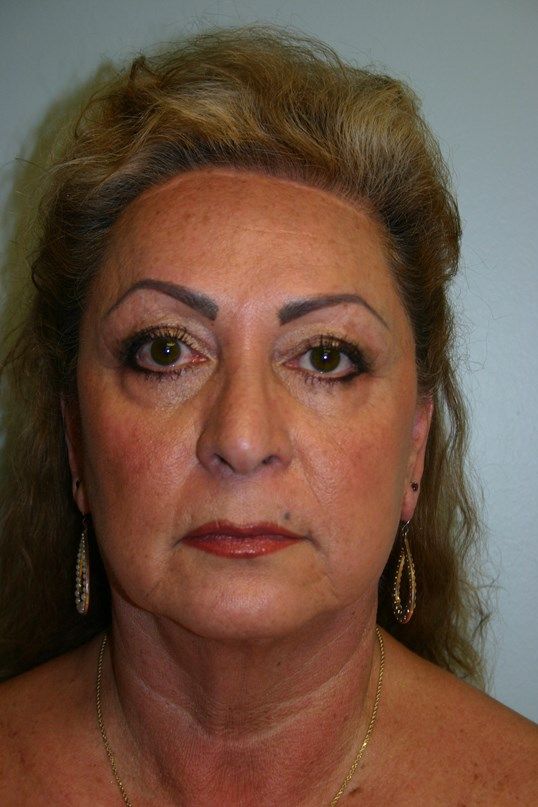

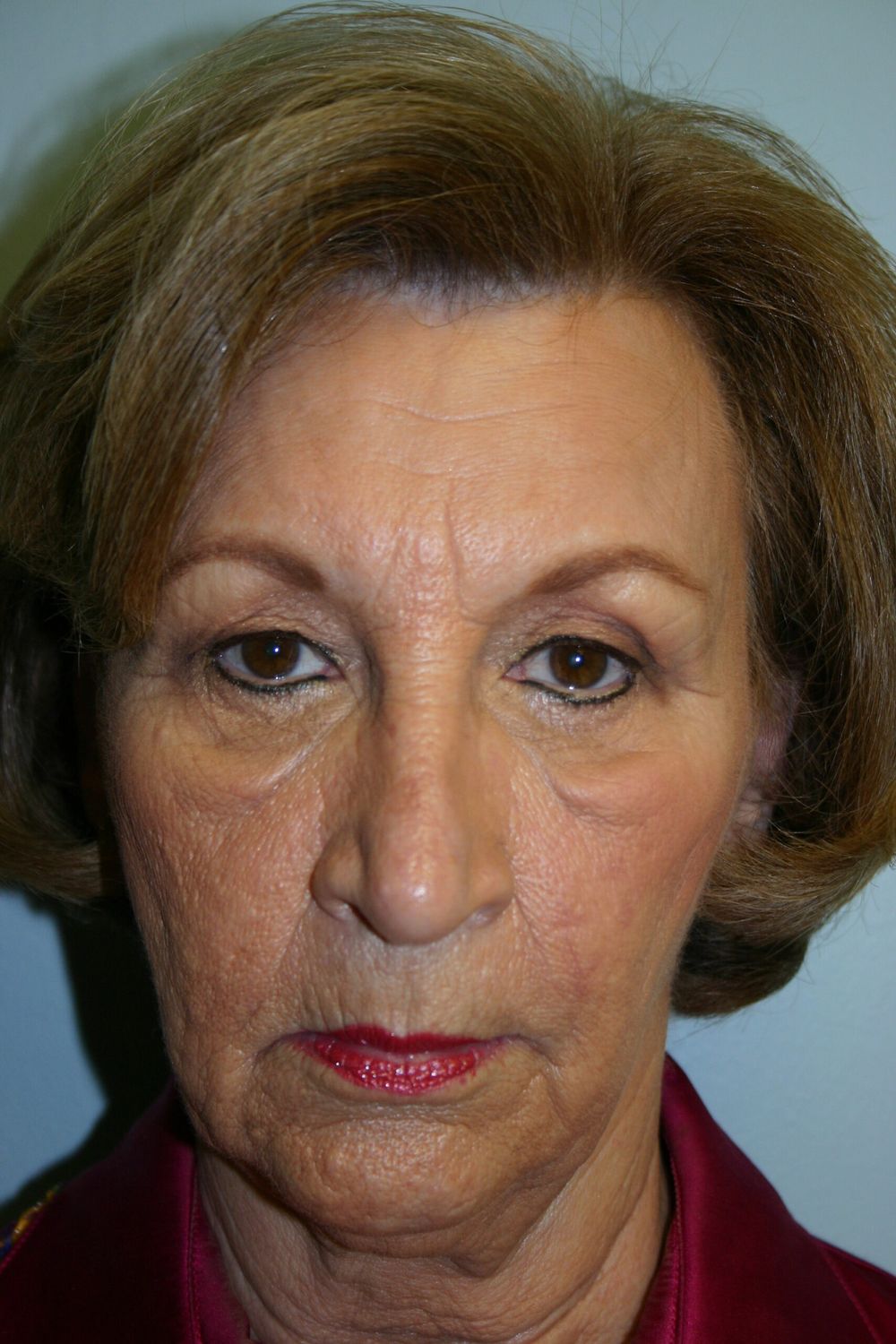
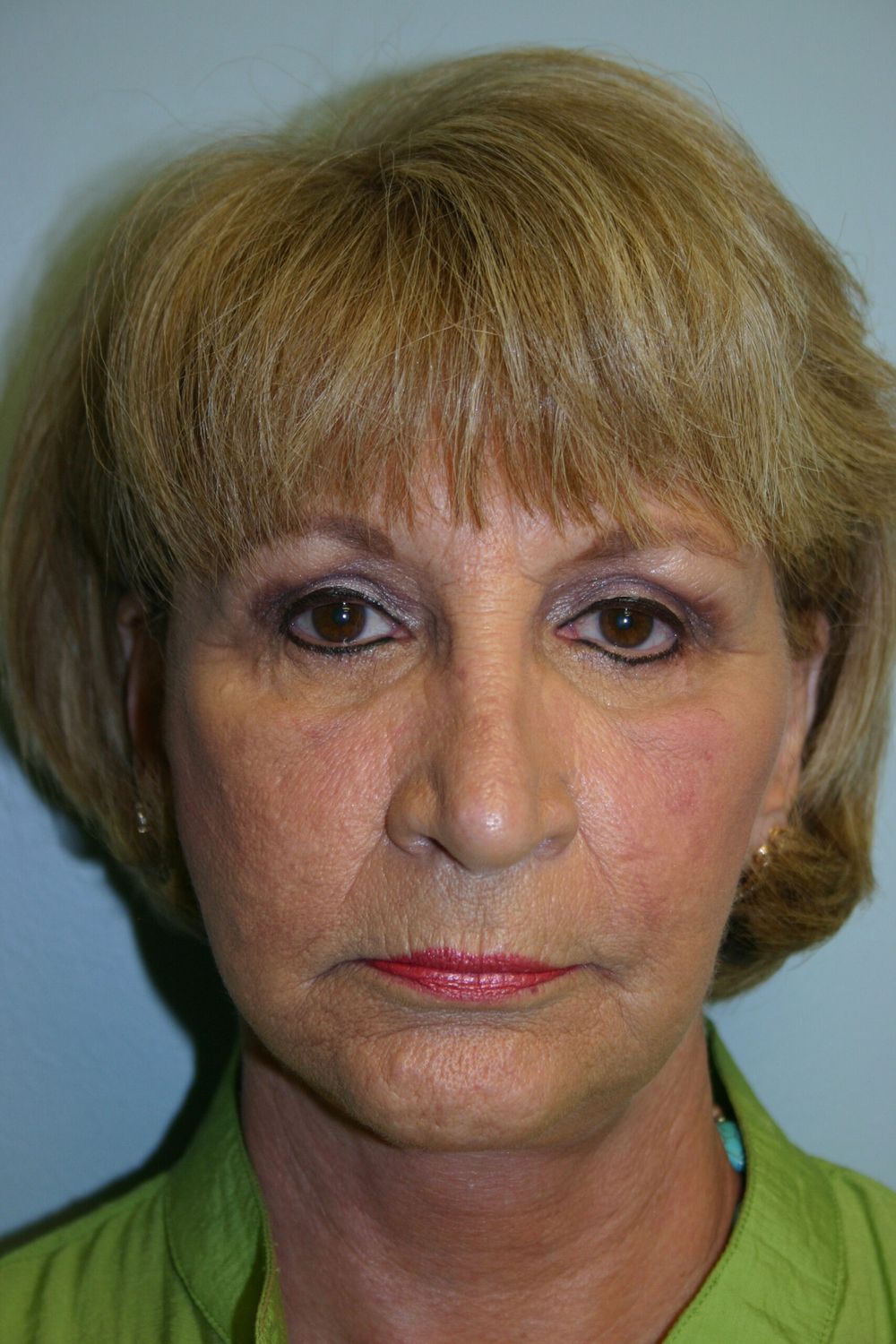
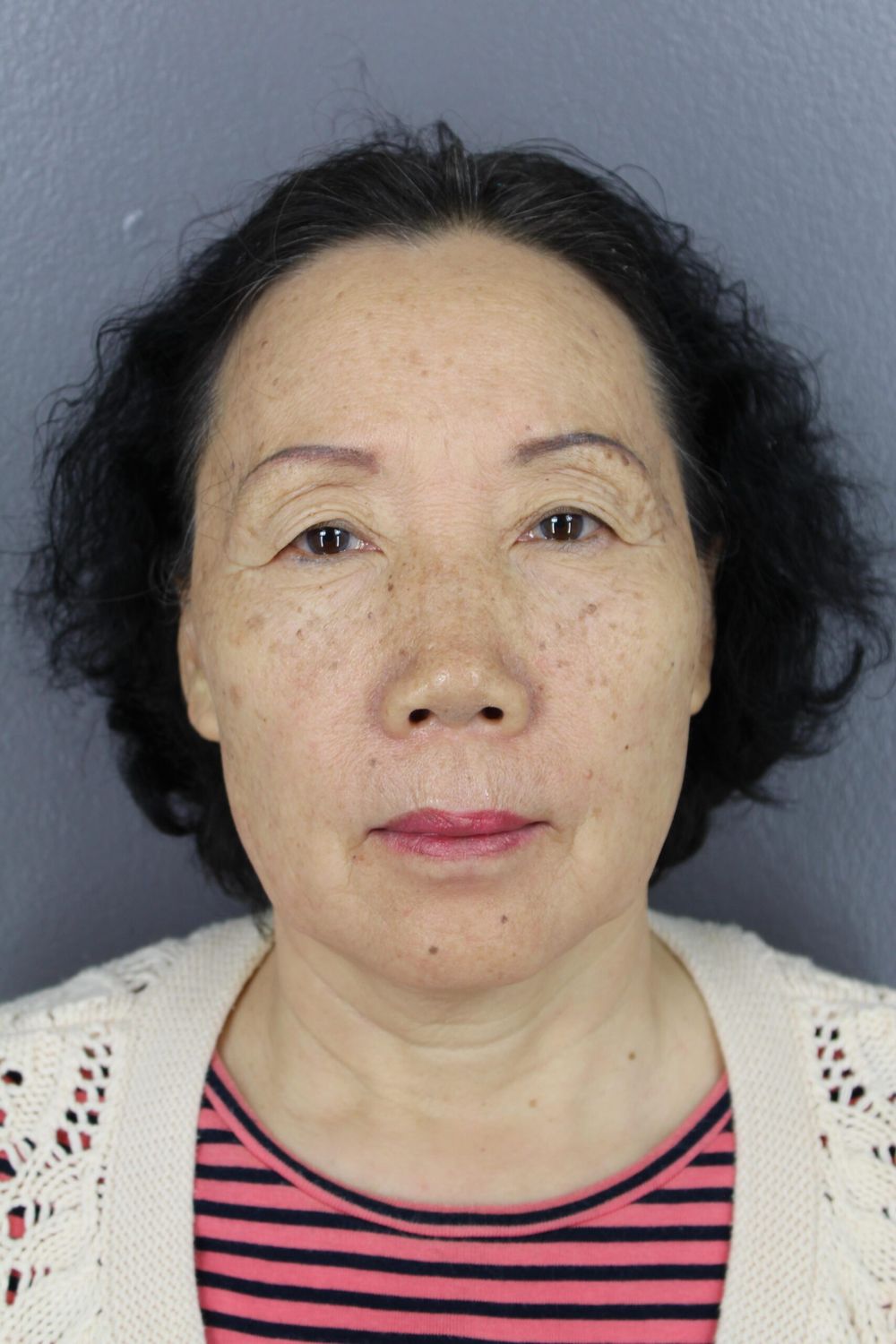
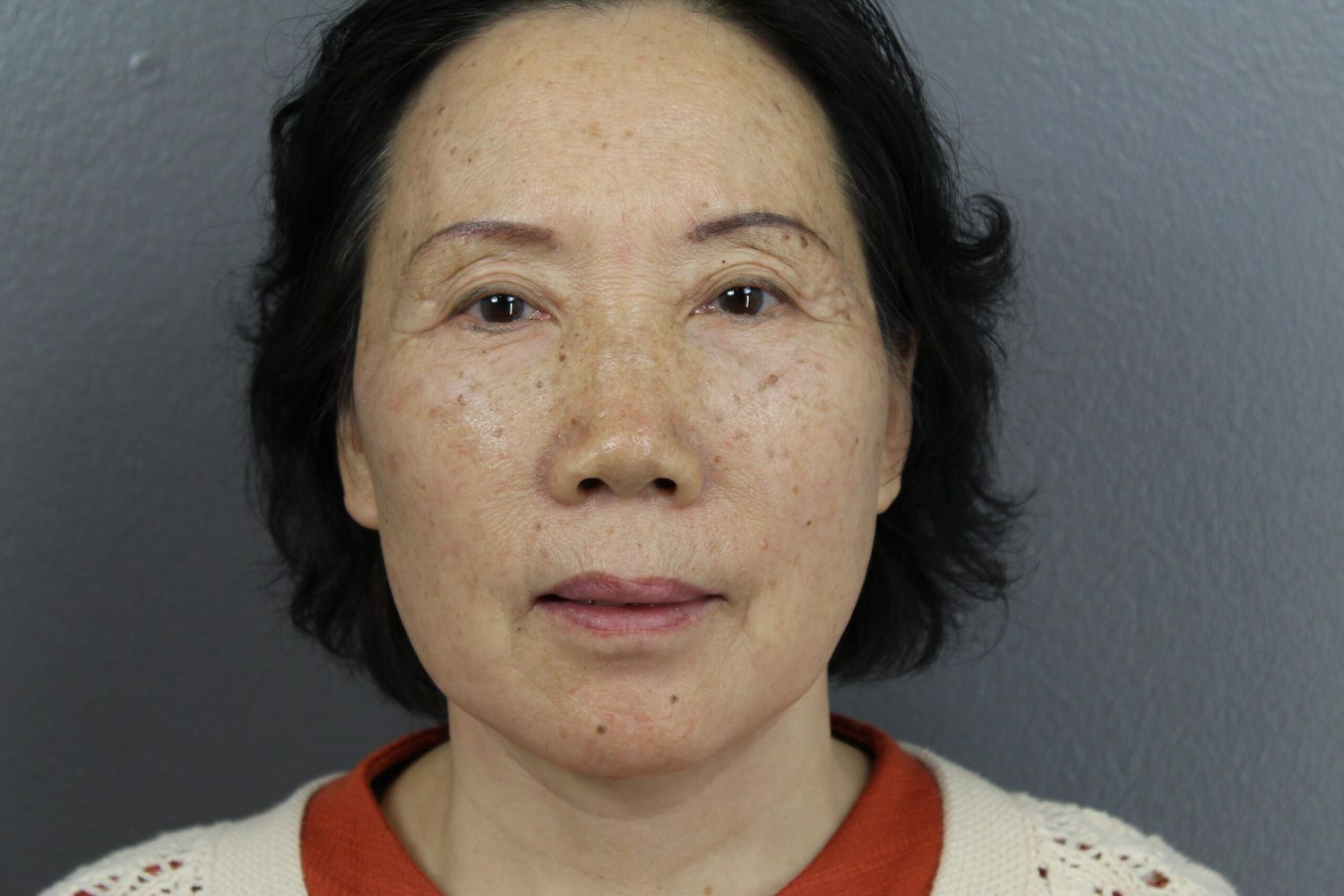
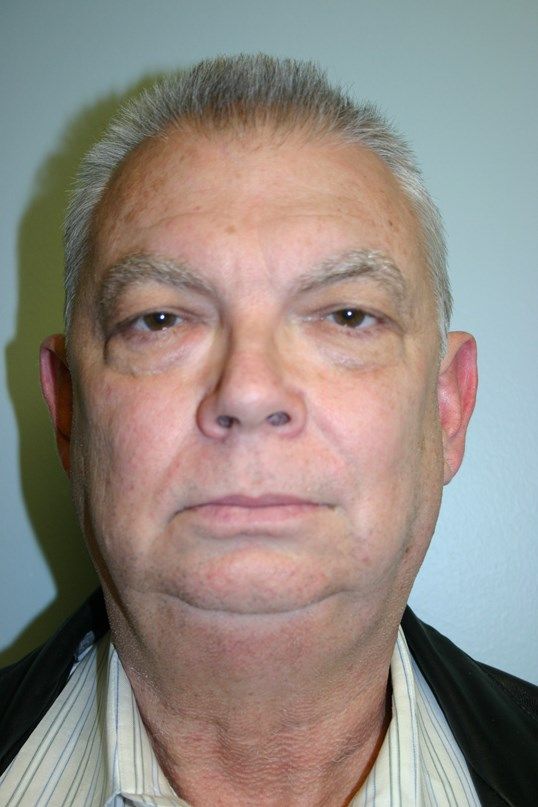
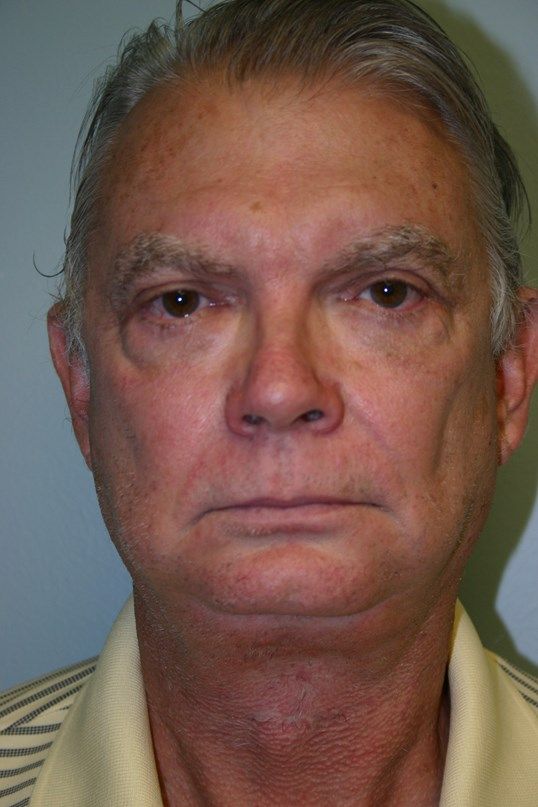



















.jpg)
.jpg)