Contact
 Gallery
 Call

Gynecomastia is the growth of real breast gland tissue in a man's chest, and it comes from a shift in the balance between estrogen and testosterone. Every man makes some of both. When estrogen activity rises relative to testosterone, or testosterone drops relative to estrogen, the gland tissue under the nipple can grow. The triggers range from normal life stages to medications to health conditions that need a doctor's attention.
Knowing the cause matters, because some causes go away on their own, some go away when you change a medication, and some need treatment before anyone talks about surgery.
Newborns. Many baby boys have small breast buds at birth from their mother's estrogen. This usually fades within weeks.
Puberty. Hormone levels swing during the teen years, and breast tissue under one or both nipples is common in adolescent boys. In many boys it shrinks on its own within a few years. When it persists past the end of puberty, it usually stays.
Middle age and later. Testosterone production tends to decline with age, and body fat, which converts some testosterone into estrogen, tends to rise. Both push the balance in the same direction, which is why gynecomastia often shows up in men in their 50s and older.
A long list of prescription drugs can cause breast tissue growth as a side effect. The groups doctors most often look at include:
Alcohol and some recreational drugs, including marijuana, are also linked to gynecomastia.
If you think a prescription might be involved, talk to the doctor who prescribed it. Do not stop a medication on your own. Sometimes there is a substitute, and sometimes the benefit of the drug outweighs the change in your chest.
Gynecomastia can be a sign of something else going on. Conditions that can cause it include:
This is why a new or growing lump in the chest deserves a medical visit. See your primary care doctor first if the tissue appeared recently, is growing, sits on only one side, feels hard, hurts, or comes with nipple discharge or skin changes. Men can develop breast cancer, and while it is rare, a doctor should rule it out.
Chest fat without gland tissue is called pseudogynecomastia. It follows weight gain and often shrinks with weight loss. True gynecomastia feels like a firm, rubbery disc under the nipple and areola, and it does not respond to diet.
Many men have both. Our post on gynecomastia vs pseudogynecomastia walks through how to tell them apart, and can gynecomastia go away with exercise explains why push-ups build the muscle under the tissue without removing the tissue itself.
Once a doctor has ruled out a medical cause, or treated one, and the tissue has stayed for many months without shrinking, it is unlikely to go away. At that point, the gland tissue has often turned firmer and more fibrous, and medication rarely shrinks it.
Gynecomastia surgery is the direct fix. At Dr. Lapuerta's practice, mild cases are often treated with liposuction through a small incision at the edge of the areola. When there is a firm disc of gland tissue under the nipple, he also removes it through an incision along the lower border of the areola, where the scar tends to hide well. Men with more severe cases may need a fuller male breast reduction.
Before surgery, Dr. Lapuerta examines the chest for any cyst or mass that needs further evaluation, and any suspicious tissue found during surgery goes to pathology.
Most men get back to desk work within a few days and wear a compression garment for about six weeks. For the full timeline, read gynecomastia surgery recovery week by week. Your surgeon's own instructions come first.
Surgery removes the tissue that is there. If the original trigger returns, such as anabolic steroid use, significant weight gain or a medication restarted, new tissue can grow. Keeping your weight stable and staying away from steroids gives your result the best chance to hold.
Dr. Lapuerta is a triple board-certified plastic surgeon with more than 30 years of experience in elective cosmetic surgery. He performs surgery in his own QuadA accredited facility in Pearland and works only with physician anesthesiologists. Men who also want to address fat on the abdomen or flanks can ask about male liposuction at the same visit.
Call (713) 489-0169 or request a consultation online. Consultations are available in English and Spanish.
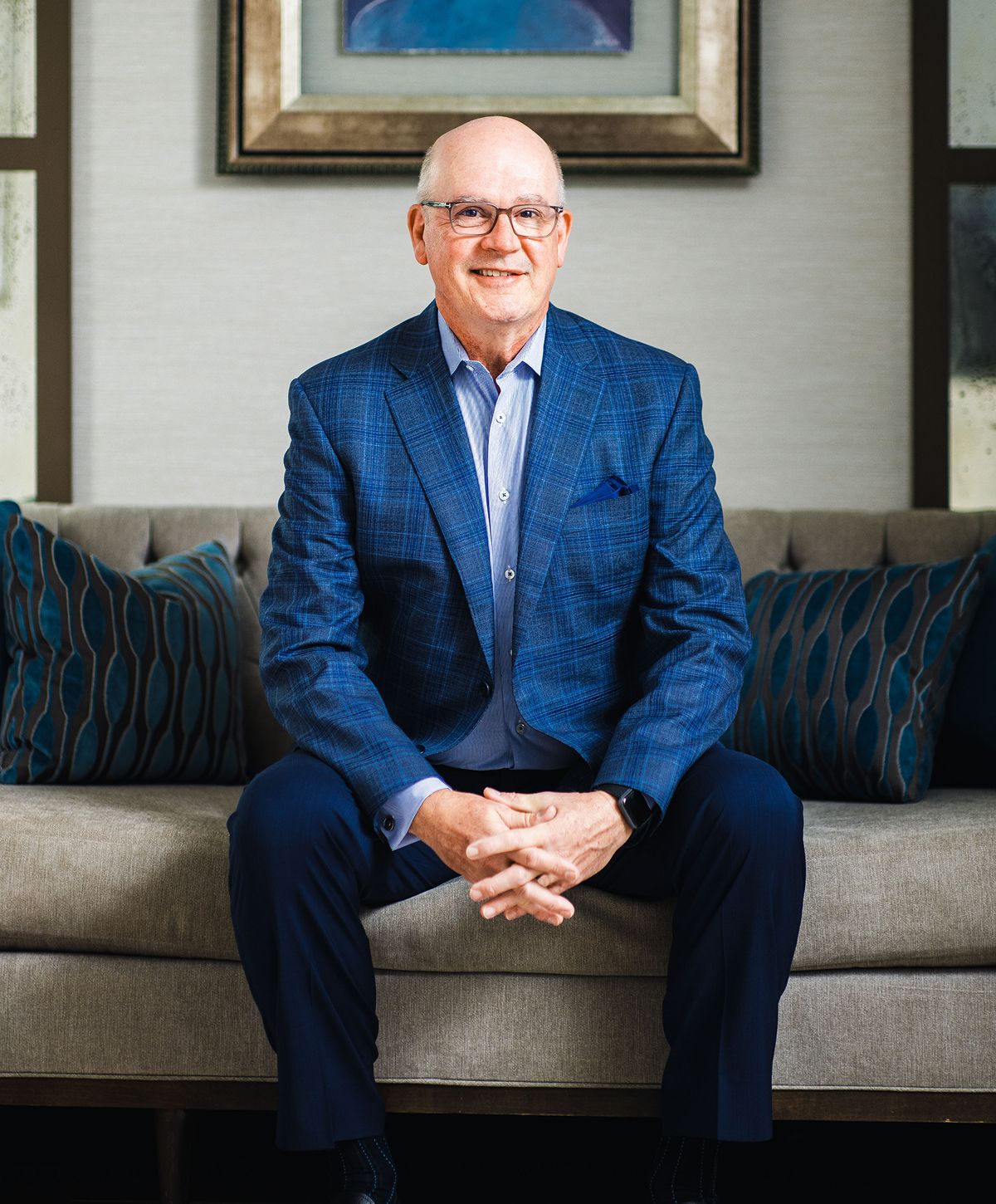
Dr. Leo Lapuerta is a triple-board-certified plastic surgeon with over three decades of experience and more than 30,000 procedures performed. He is recognized as a pillar of the Houston aesthetic community. Dr. Lapuerta distinguishes his practice through rigorous safety protocols, including the exclusive use of Medical Doctors (MDs) for anesthesia and an accredited onsite surgical facility.
Beyond his technical precision, Dr. Lapuerta is defined by his concierge philosophy. He personally handles all consultations and injectables, and provides every surgical patient with his personal cell phone number for direct access during recovery. He serves patients from Houston, Katy, and Pearland, and is fluent in both English and Spanish.