Contact
 Gallery
 Call
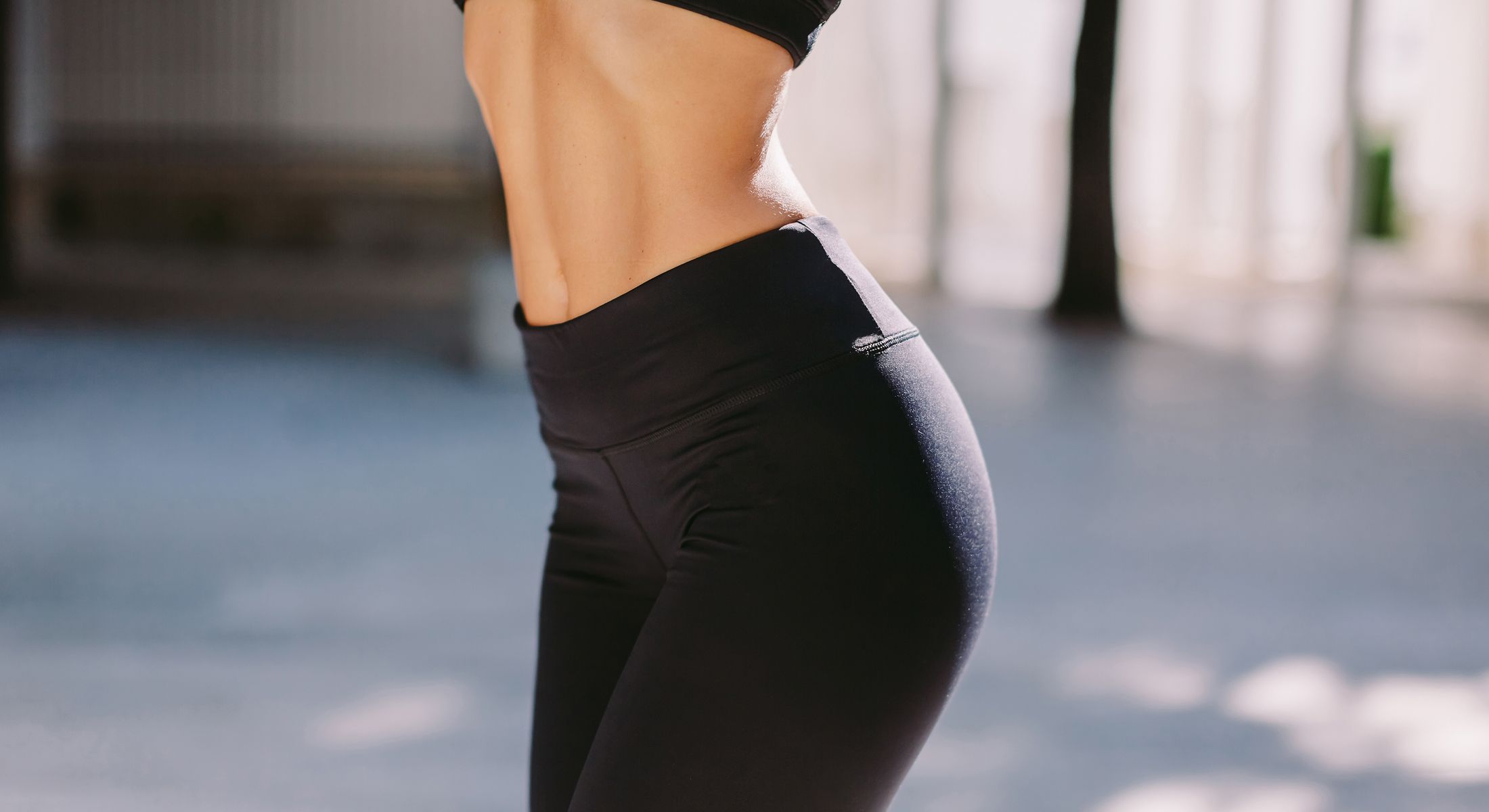
Most liposuction patients return to desk work and daily routines within the first few days, wear compression garments for several weeks, and have all restrictions lifted by six to eight weeks. The final contour takes longer, because swelling can linger for several months.
The details depend on how many areas you treat and how much fat comes out. Below is a typical liposuction recovery, stage by stage. Your surgeon's instructions take priority over any general timeline, including this one.
Liposuction is an outpatient procedure under general anesthesia, and depending on the number of areas it can last from about two to four hours. You go home the same day with someone to drive you and stay with you that night.
You wake up in a compression garment over the treated areas. It reduces swelling and supports the tissue as it heals. Expect soreness that feels like a deep bruise or a hard workout, managed with prescription pain medication.
Tumescent liposuction, a common approach, fills the treatment area with a solution of saline, a numbing agent and a medication that controls bleeding before the surgeon removes the fat. When your surgery uses this fluid, some of it seeps out of the small incisions in the first day or two, often tinted pink. That is expected. Absorbent pads and old towels on your bed and car seat help.
Bruising and swelling show up across the treated areas. Get up and walk around the house several times a day; gentle movement helps circulation and lowers the risk of blood clots. Staying in bed all day makes recovery stiffer.
Many patients switch from prescription pain medication to an over-the-counter option after the first few days, as directed. Many also return to desk work or work from home by the end of the first week, sometimes sooner. Jobs that involve lifting or long hours on your feet may need more time.
After surgery, Dr. Lapuerta's team calls to check on your progress, and you come in for follow-up visits so the incisions can be checked.
Yes. Many patients look swollen, or even larger, in the first weeks. Treated areas can feel firm, lumpy or numb, and swelling shifts with activity and time of day. None of that predicts your final result.
Keep wearing the compression garment as long as your surgeon asks, usually for several weeks. Light activity increases during this stretch: longer walks, normal errands, and in many cases light cardio once you are cleared. If you are comparing procedures, our post on 9 misconceptions about liposuction clears up several common assumptions about recovery and results.
By around six to eight weeks, most patients have all restrictions lifted and return to full exercise, including weights and higher-intensity training. Bruising is long gone. Firm or numb patches keep softening.
You will start to see the contour take shape, though your body is still settling. Avoid judging the result in a fitting room mirror at week five. Your body needs more time than that, and the shape you see in month four or five gives a far better picture of where you will land.
Residual swelling resolves gradually over several months. Areas that hold swelling longer, such as the lower abdomen, may take the longest to look finished. The small incision scars fade over time.
If you had liposuction along with a tummy tuck, the tummy tuck sets the recovery pace, with longer lifting limits. Our comparison of tummy tuck vs liposuction explains when each procedure fits.
Liposuction removes fat cells from the treated areas. Patients who maintain their weight after surgery can expect to keep their results. Significant weight gain can still enlarge the fat cells left behind in treated areas and in untreated ones, which can change your shape.
The habits that protect your result are the familiar ones: steady weight, regular exercise once cleared, and the follow-up visits on your calendar. Men considering surgery can read about male liposuction, where the common treatment areas and goals differ.
Dr. Lapuerta is a triple board-certified plastic surgeon with more than 30 years of experience in elective cosmetic surgery. He performs liposuction in his own QuadA accredited facility in Pearland and works only with physician anesthesiologists. At your consultation he will assess your treatment areas, explain how many can safely be done in one session, and help you plan time off. You can browse results in his before and after gallery.
Call (713) 489-0169 or request a consultation online. Consultations are available in English and Spanish.
Dr. Leo Lapuerta is a triple-board-certified plastic surgeon with over three decades of experience and more than 30,000 procedures performed. He is recognized as a pillar of the Houston aesthetic community. Dr. Lapuerta distinguishes his practice through rigorous safety protocols, including the exclusive use of Medical Doctors (MDs) for anesthesia and an accredited onsite surgical facility.
Beyond his technical precision, Dr. Lapuerta is defined by his concierge philosophy. He personally handles all consultations and injectables, and provides every surgical patient with his personal cell phone number for direct access during recovery. He serves patients from Houston, Katy, and Pearland, and is fluent in both English and Spanish.