Contact
 Gallery
 Call
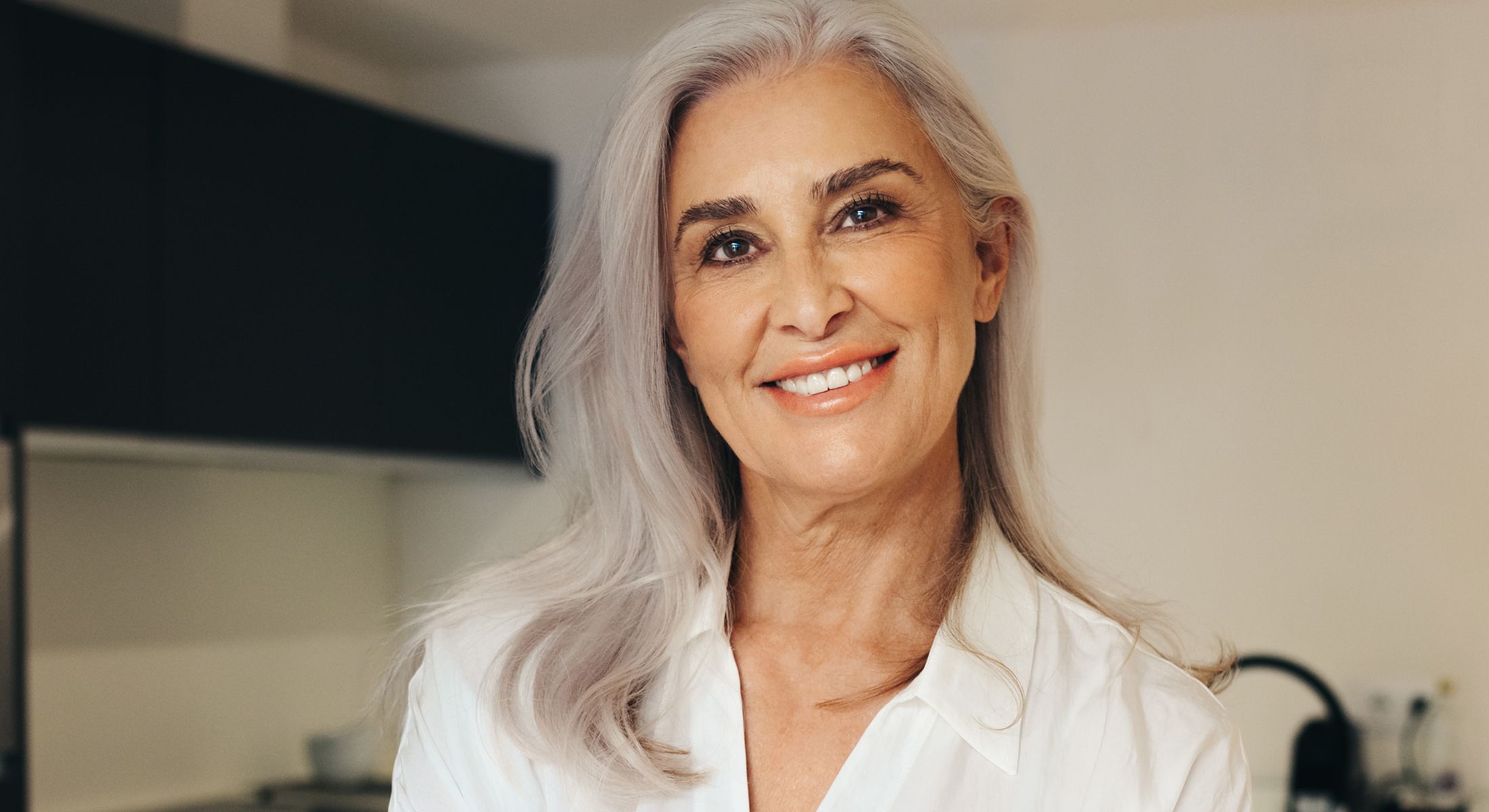
A facelift lasts for years, but there is no single number that fits every patient. How long your result holds depends on how the surgery was done, the quality of your skin going in, and how you treat your face afterward. The surgery turns the clock back; it does not stop it. You keep aging from your new starting point, so you continue to look younger than you would have without the lift.
That is also how the practice's facelift page puts it: longevity depends on the aging process, skin elasticity, skin quality, weight stability, sun exposure and the technique used. You can influence some of those factors and not others.
Older facelifts often tightened the skin alone. Skin stretches, so a skin-only pull tends to relax sooner and can look windswept while it lasts.
Modern facelifts work on the deeper support layer. In a SMAS facelift, the surgeon tightens and repositions the muscle and connective tissue layer under the skin. In a deep plane facelift, the surgeon releases and moves the deeper tissues as a single unit. In both, the skin drapes over the repaired support instead of carrying the load. Because the deeper layers hold the lift, the result tends to age more gracefully. Our guide to SMAS vs deep plane facelifts compares the two in detail.
A mini facelift treats a smaller area with a shorter incision. It suits early jowling well, but because it does less, patients with heavier laxity may notice changes return sooner than they would after a full lift.
Some factors are set before surgery begins.
None of these rule anyone out. They simply shape what a realistic timeline looks like, which is one reason a careful exam matters.
You control more than you might think. The habits that protect your result are the same ones dermatologists recommend for everyone.
Ultraviolet light breaks down collagen and elastin, the proteins that keep skin firm. Daily broad-spectrum sunscreen, a hat outdoors and shade during midday hours are the single best maintenance plan. In the Houston sun, this matters all year.
Large swings stretch facial skin and change the volume under it. Patients who stay near a stable weight keep a cleaner jawline. If you plan to lose a significant amount of weight, ask about timing your lift after you reach your goal.
Smoking slows healing right after surgery and speeds skin aging for years after. If you smoke, your surgeon will ask you to stop well before surgery anyway; staying off cigarettes protects the investment.
Retinoids, gentle exfoliation and treatments like laser skin resurfacing improve texture and fine lines, which a facelift does not target. Many patients also use fillers or Botox to maintain areas the lift does not reach, such as lines around the mouth or forehead.
Changes come back gradually, not all at once. Patients often notice a softening along the jawline first, then early jowls, then looser skin under the chin. Volume loss in the cheeks can make the face look tired even when the lift itself is holding.
When that happens, you have options. Some patients choose nonsurgical maintenance. Others consider a smaller secondary procedure, such as a neck lift or a mini lift, to refresh the area that changed most. Our post on the lower facelift vs neck lift explains how to tell which area needs attention.
A secondary facelift is common and can look excellent. It is usually more about refinement than a big change, because the deeper tissues were already repositioned once. Skin may be thinner the second time, which a surgeon considers when planning the approach. Experience matters here, since scar tissue from the first surgery changes how the layers separate.
Dr. Lapuerta is a triple board-certified plastic surgeon with more than 30 years of experience in elective cosmetic surgery. In his view, experience with the specific procedure, in both number of cases and years, is the strongest predictor of a result patients are happy with. That experience shows in planning: matching the technique to your anatomy is what gives a lift its staying power.
You can review more than 3,000 before and after photos to see how facelift results look on patients with different starting points. To talk about your own timeline, call (713) 489-0169 or request a consultation online. Consultations are available in English and Spanish at our Pearland office, serving Houston, Katy and the greater Houston area.
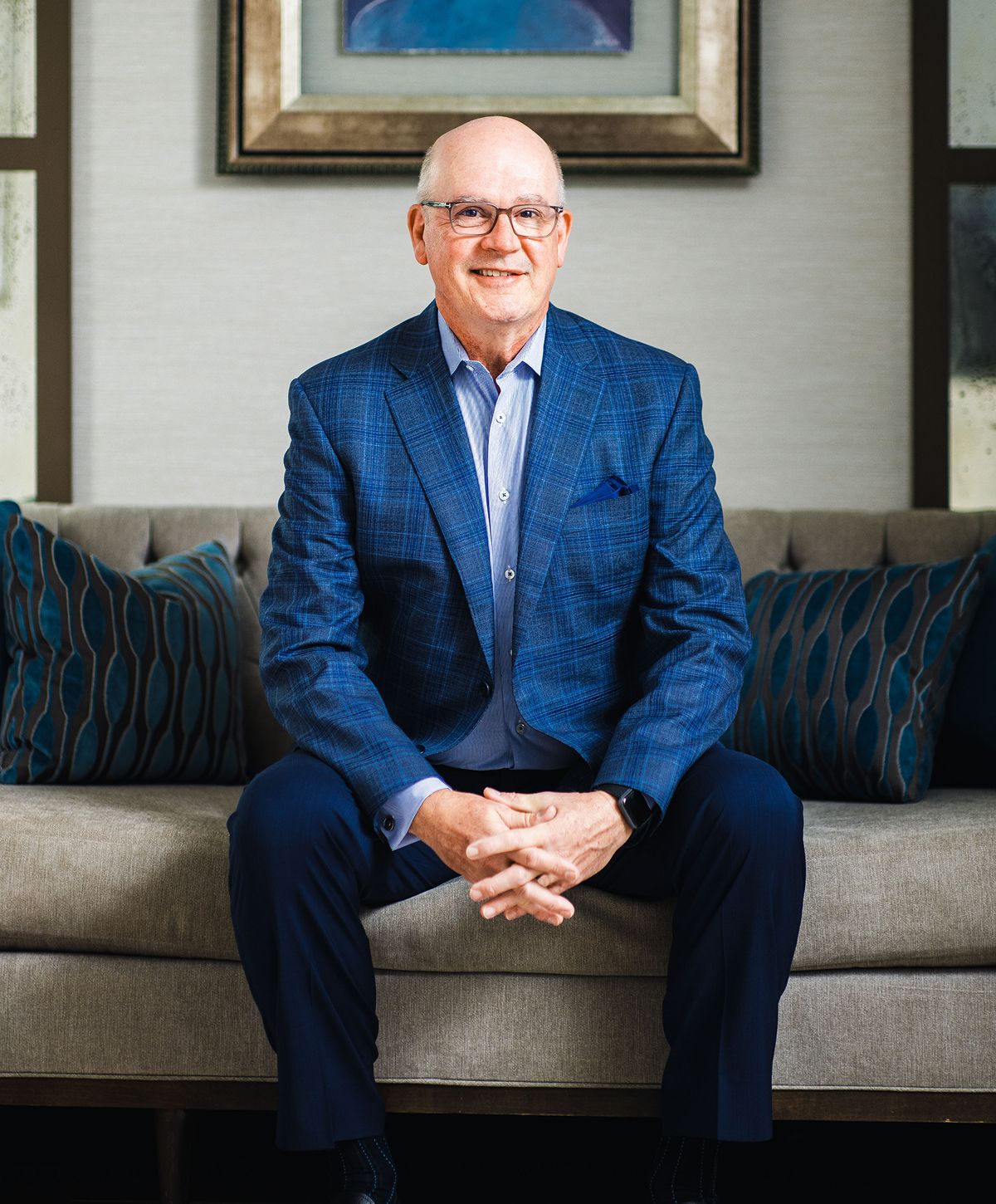
Dr. Leo Lapuerta is a triple-board-certified plastic surgeon with over three decades of experience and more than 30,000 procedures performed. He is recognized as a pillar of the Houston aesthetic community. Dr. Lapuerta distinguishes his practice through rigorous safety protocols, including the exclusive use of Medical Doctors (MDs) for anesthesia and an accredited onsite surgical facility.
Beyond his technical precision, Dr. Lapuerta is defined by his concierge philosophy. He personally handles all consultations and injectables, and provides every surgical patient with his personal cell phone number for direct access during recovery. He serves patients from Houston, Katy, and Pearland, and is fluent in both English and Spanish.