Contact
 Gallery
 Call

Diastasis recti repair comes in two forms. Physical therapy and targeted core work can improve how your abdomen functions and can narrow a mild separation. When the tissue between the muscles has stretched and stayed stretched, the only way to bring the muscles back together is surgical repair, which plastic surgeons perform as part of a tummy tuck.
That difference explains why so many mothers do months of planks and still see a bulge. They are strengthening muscle, but the problem lives in the tissue that connects the muscles.
Your two rectus abdominis muscles, the "six pack" muscles, run vertically down the front of the abdomen. A band of connective tissue called the linea alba joins them at the midline. During pregnancy the uterus pushes outward, and hormones soften that band so it can stretch.
After delivery, the band often tightens again over the following months. When it does not, the muscles stay apart and the midline stays soft. You may notice a ridge or dome down the center of your belly when you sit up, a stomach that looks pregnant by the end of the day, or a belly button that has widened.
Weight gain and carrying multiples or a large baby make it more likely. So does having several pregnancies close together.
Exercise works on muscle. The linea alba is not muscle. Once that connective tissue has stretched beyond a certain point and lost its recoil, no amount of training shortens it again, in the same way stretched skin does not shrink back after major weight loss.
That does not make exercise pointless. A pelvic floor or postpartum physical therapist can teach you to engage your deep core, which improves posture, back comfort and control. For a mild separation, that work may be all you need. Many women see real improvement in the first year after delivery.
Some popular routines can work against you, though. Traditional crunches and sit-ups push the abdominal contents forward through the gap. Ask a physical therapist which movements fit your body before you start a program.
Lie on your back with your knees bent and feet flat. Place your fingertips across your midline just above your belly button, then lift your head and shoulders slightly as if starting a crunch.
If you feel two firm muscle edges with a soft gap between them, you have some separation. Check a few spots above and below the navel too. A gap that you can feel easily, or one that domes upward when you lift, is worth showing to a professional. Only an exam can tell you how wide and how loose it is.
In a full tummy tuck, the surgeon brings the separated muscles back to the midline and stitches the stretched tissue together, a step often called plication. The surgeon also removes loose lower abdominal skin and redrapes the rest. That combination is what restores a firm, flat front wall.
A mini tummy tuck treats a smaller area below the navel. It can suit a patient with a little loose skin and a limited separation low on the abdomen, but most women with a separation that runs above the belly button need the full operation.
Many patients add liposuction to the flanks so the waist matches the flatter front. When breast changes are part of the picture too, the procedures can combine into a mommy makeover.
The muscle repair is the main reason tummy tuck recovery takes longer than liposuction recovery. The stitches holding your abdominal wall need time to heal under very little strain.
For many patients, that means:
Your surgeon's instructions come first. Our tummy tuck recovery week by week guide lays out the full timeline.
Timing matters as much as the repair itself. The best candidates are near a stable weight and have finished having children. A future pregnancy can stretch the repair again, and our article on pregnancy after a tummy tuck covers what that means. Give your body time to recover from your last delivery and from breastfeeding first, and try physical therapy before you decide.
Dr. Lapuerta is a triple board-certified plastic surgeon with more than 30 years of experience in elective cosmetic surgery. He operates in his own QuadA accredited surgical facility in Pearland and works only with physician anesthesiologists. At a consultation he will examine your abdominal wall, tell you whether surgery would add anything beyond what therapy can do, and walk you through recovery.
Call (713) 489-0169 or request a consultation online. Consultations are available in English and Spanish.
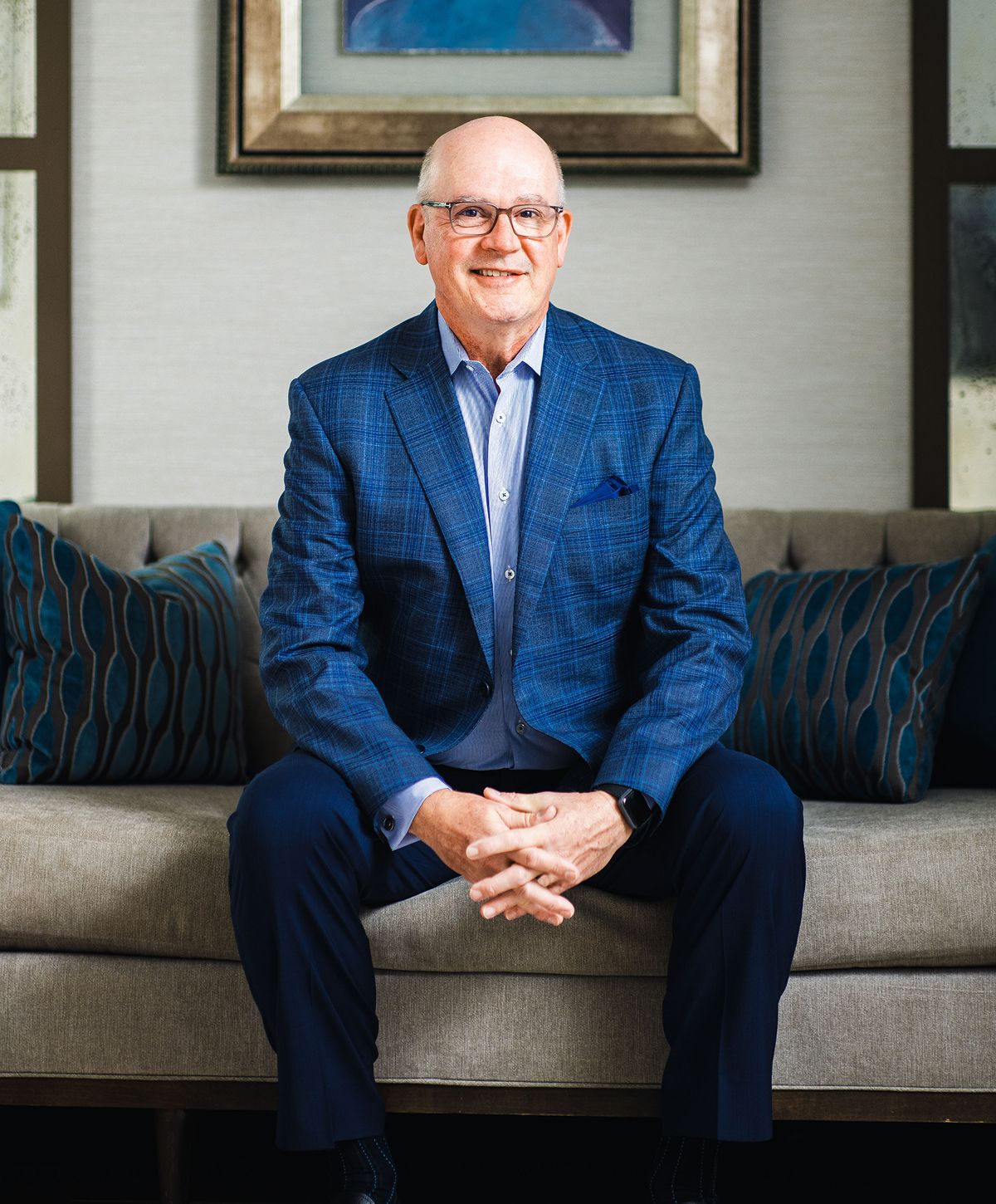
Dr. Leo Lapuerta is a triple-board-certified plastic surgeon with over three decades of experience and more than 30,000 procedures performed. He is recognized as a pillar of the Houston aesthetic community. Dr. Lapuerta distinguishes his practice through rigorous safety protocols, including the exclusive use of Medical Doctors (MDs) for anesthesia and an accredited onsite surgical facility.
Beyond his technical precision, Dr. Lapuerta is defined by his concierge philosophy. He personally handles all consultations and injectables, and provides every surgical patient with his personal cell phone number for direct access during recovery. He serves patients from Houston, Katy, and Pearland, and is fluent in both English and Spanish.