Contact
 Gallery
 Call
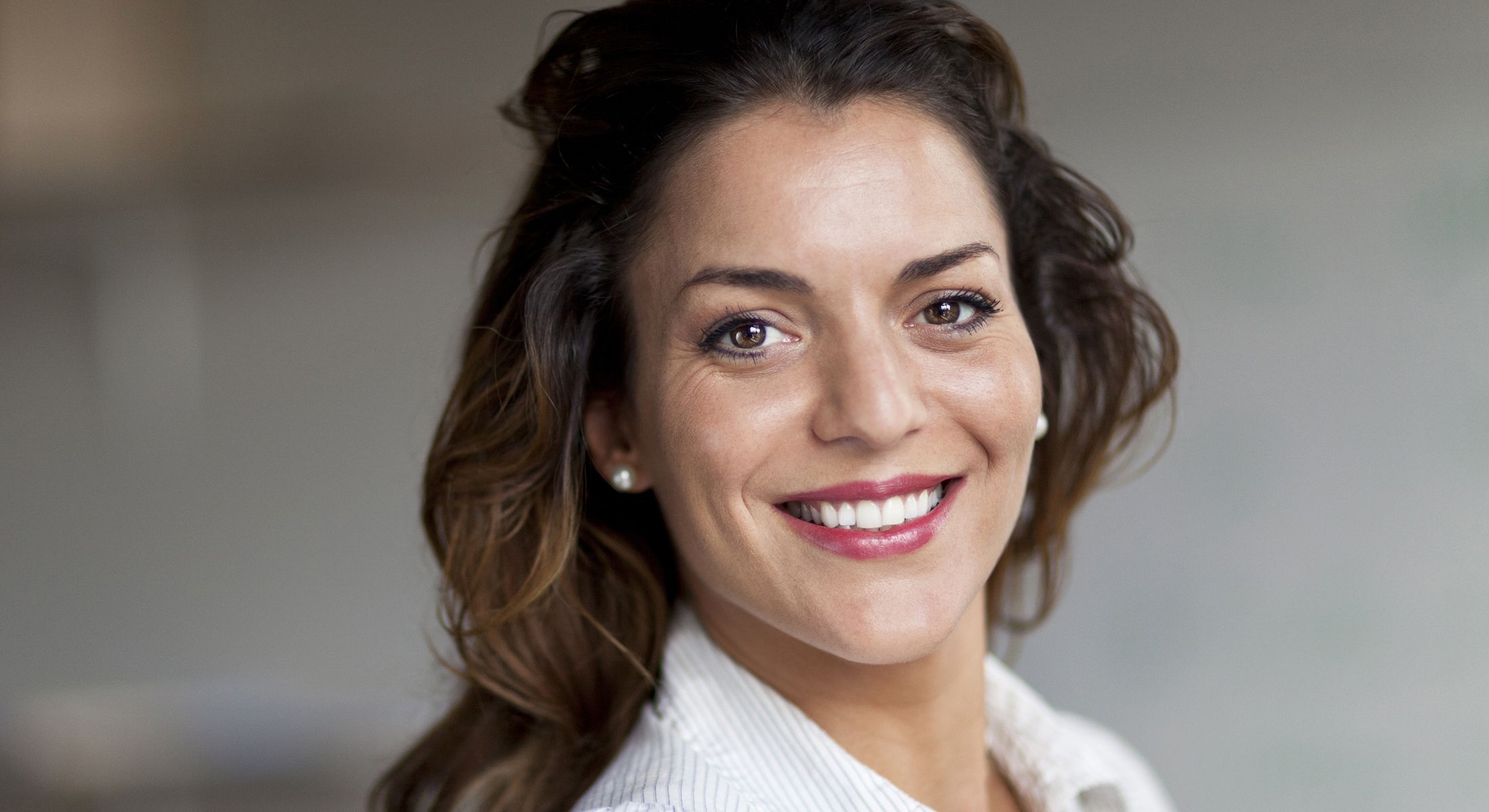
Hooded eyes come from one of two sources, or both: a brow that has dropped and pushes skin down onto the eyelid, or extra skin and fat on the upper eyelid itself. A brow lift raises the brow. Upper eyelid surgery, called blepharoplasty, removes the extra eyelid skin. Picking the wrong one leaves the real cause in place, so the first step is figuring out which you have.
Many people in their 50s and 60s have some of each.
Sit in front of a mirror with your face relaxed and your eyes open. Look straight ahead, not up.
Now place a fingertip just above the middle of each eyebrow and gently lift the brow to where you think it used to sit. For most women that is at or a little above the bony rim around the eye. Watch the eyelid.
This test is a starting point, not a diagnosis. Dr. Lapuerta will examine your brow position, eyelid skin, fat and the muscle that opens the eye before recommending anything.
A brow lift, also called a forehead lift, raises sagging or uneven eyebrows and smooths the forehead. Lifting the brow also lifts the skin it was pushing onto the eyelid, which can open up the eyes without removing any eyelid skin.
The practice's brow lift page describes three approaches, and the choice depends on your face and goals:
A clue that you need a brow lift: you raise your eyebrows all day without noticing to see clearly, and your forehead lines are deep because of it. When you relax, the brows drop and the eyes look heavy.
Blepharoplasty removes extra skin, and sometimes fat, from the upper eyelid through an incision hidden in the natural crease. It brings back a visible lid and a cleaner fold, and can make you look less tired. It does not move the brow.
That is the trap. If your brow has dropped and you remove eyelid skin alone, the brow can sit even lower afterward because there is less skin to hold it, and the eyes can still look heavy. Removing too much eyelid skin to make up for a low brow can make it hard to close the eyes comfortably. A careful exam avoids both problems.
Our post on whether you are the right candidate for eyelid surgery covers the eyelid side in more detail.
When the brow has dropped and the eyelid has extra skin, surgeons often perform the two together. The brow goes back to its proper position first, and then the surgeon removes only the eyelid skin that is truly extra. One anesthesia and one recovery covers both. Some patients add other facial procedures in the same session; our post on facelift and eyelid surgery together explains how combined plans work.
Botox placed in specific muscles can give some patients a small lift at the tail of the brow. It is a reasonable option for a mild change or to preview what a lifted brow might look like. It wears off, and it cannot remove extra eyelid skin or lift a brow that has dropped a lot.
For most patients, swelling and bruising around the eyes peak in the first few days and improve over one to two weeks. The practice's brow lift page notes that many patients return to work and normal activities within 10 to 14 days. Keep your head elevated, avoid strenuous activity and follow your surgeon's instructions, which come first.
Dr. Lapuerta is a triple board-certified plastic surgeon and Fellow of the American College of Surgeons with more than 30 years of experience in elective cosmetic surgery. He tells patients that experience with the specific procedure matters most when choosing a surgeon, and brow and eyelid work is a clear example, since the right plan depends on a careful exam.
Call (713) 489-0169 or request a consultation online. Consultations are available in English and Spanish.
Dr. Leo Lapuerta is a triple-board-certified plastic surgeon with over three decades of experience and more than 30,000 procedures performed. He is recognized as a pillar of the Houston aesthetic community. Dr. Lapuerta distinguishes his practice through rigorous safety protocols, including the exclusive use of Medical Doctors (MDs) for anesthesia and an accredited onsite surgical facility.
Beyond his technical precision, Dr. Lapuerta is defined by his concierge philosophy. He personally handles all consultations and injectables, and provides every surgical patient with his personal cell phone number for direct access during recovery. He serves patients from Houston, Katy, and Pearland, and is fluent in both English and Spanish.